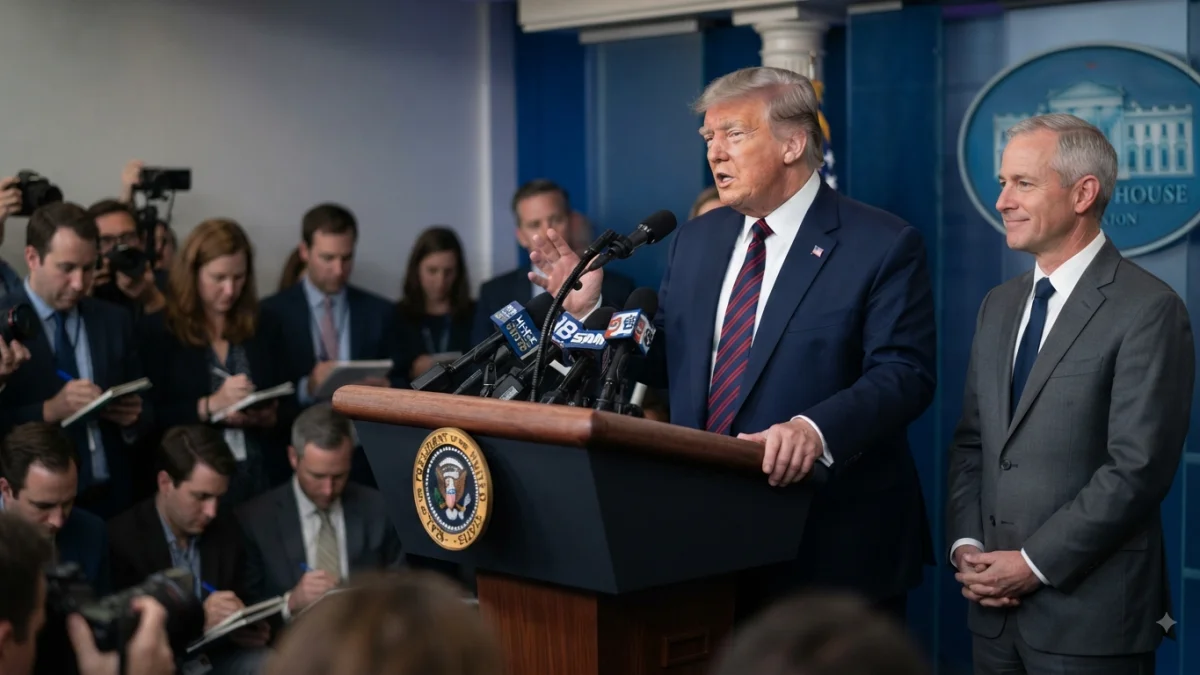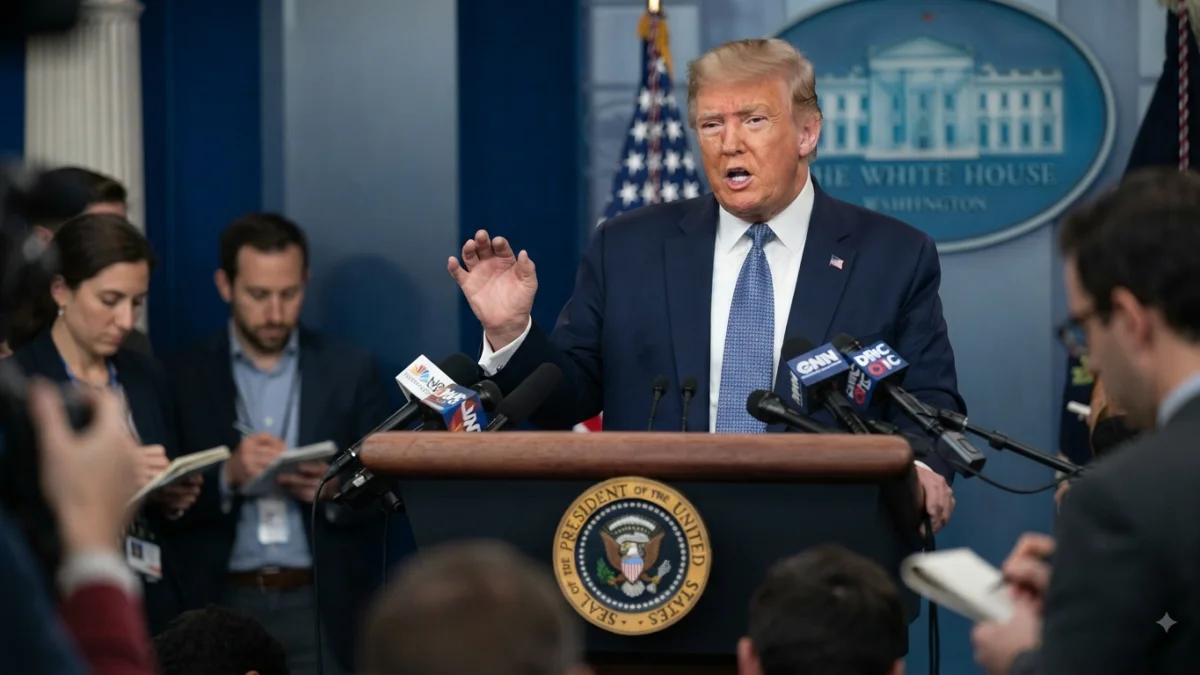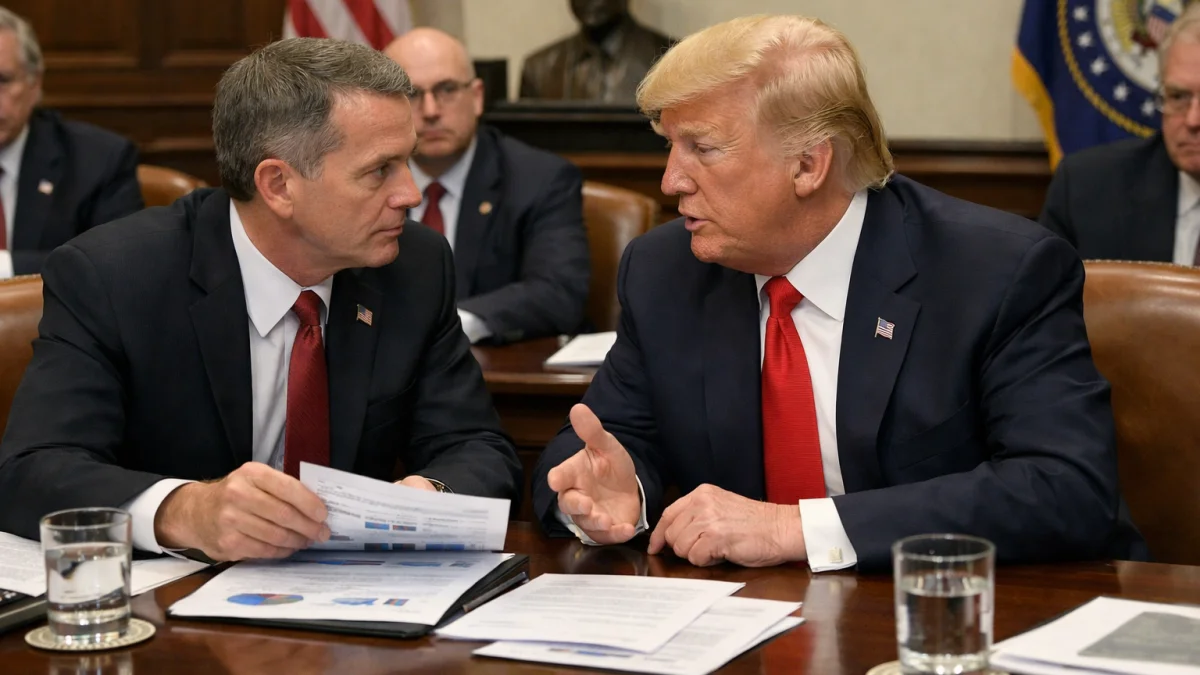


WASHINGTON — Senator Rick Scott circulated a strategy memorandum among Senate Republicans this week outlining a plan to avoid a federal government shutdown ahead of the Sept. 30 funding deadline, while seeking President Donald Trump’s support for broader Republican legislative priorities, according to lawmakers and documents reviewed by U.S. media outlets.
The Florida Republican’s proposal calls for Congress to pass a temporary funding measure, known as a continuing resolution, that would maintain current government spending levels through the November midterm elections. Scott has also invited Trump to discuss the strategy with Senate Republicans during a party lunch on Wednesday, according to reports.


The proposal comes as Congress faces another deadline to fund federal agencies and avoid a shutdown. Republican leaders have sought to prevent a repeat of recent funding standoffs, including a partial shutdown of the Department of Homeland Security earlier this year that lasted for more than two months before Congress approved legislation to restore funding.
In the memorandum, Scott argued that Republicans should pair a government-funding strategy with efforts to advance election-related legislation, including the SAVE America Act, which would require proof of citizenship for voter registration. The measure has become a priority for Trump and several conservative senators but has faced significant obstacles in the Senate, where it would likely require bipartisan support to advance.
“We need to make it clear to all Americans that Democrats want to shut down government and don’t care how it impacts federal workers or the economy and Republicans want to fund the government,” Scott wrote in the memorandum, according to accounts of the document circulated among senators.
Senate Republican leaders have not formally endorsed Scott’s proposal. Senate Majority Leader John Thune has previously expressed concerns about the vote count needed to advance the SAVE America Act, noting that similar efforts have fallen short in the chamber.
Democrats have criticized Republican attempts to link government funding to election legislation, arguing that Congress should focus on bipartisan appropriations measures. Senate Democrats retain leverage in the appropriations process because most spending bills require 60 votes to advance.
The latest maneuvering reflects continuing divisions within the Republican Party over legislative strategy and the extent to which Congress should align funding negotiations with Trump’s political priorities. Earlier this year, disputes involving immigration funding and election legislation complicated efforts to pass other measures in the Senate.
As of Wednesday, no government shutdown was imminent, and congressional leaders from both parties had not reached a final agreement on fiscal year 2027 spending legislation. Lawmakers are expected to continue negotiations throughout the summer before the Sept. 30 deadline.