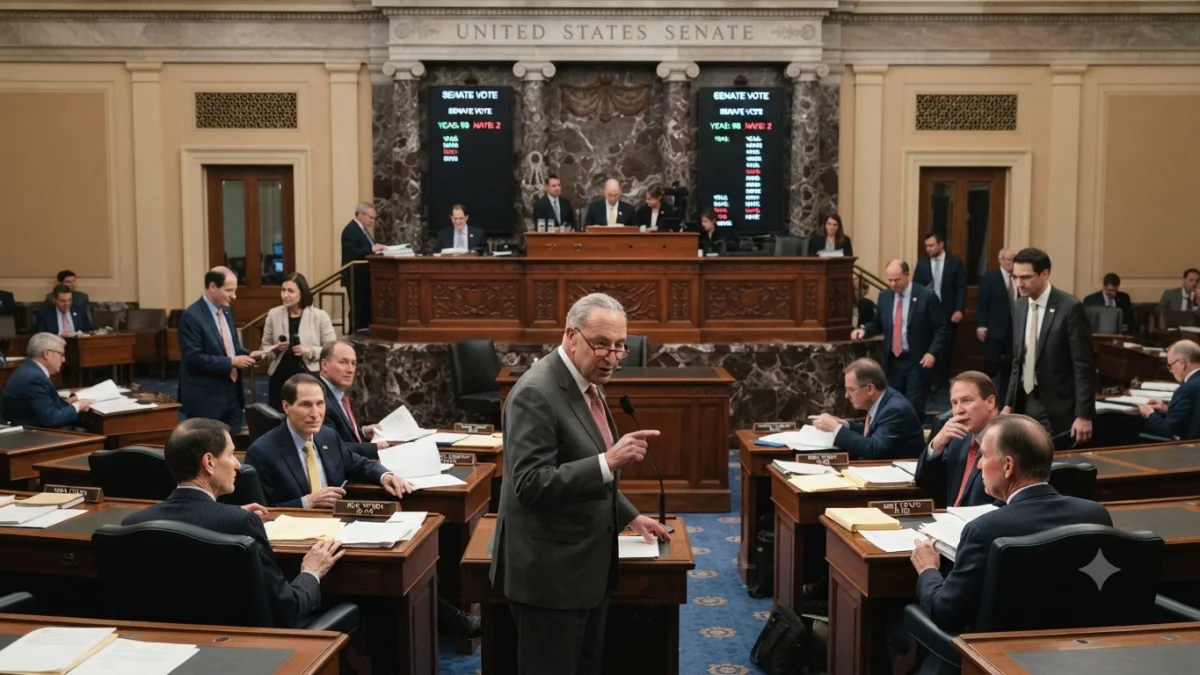


WASHINGTON — The U.S. Senate has passed a sweeping Russia sanctions package, sending legislation to the House of Representatives that would sharply increase economic pressure on Moscow and give President Donald Trump authority to impose tariffs of up to 100% on major buyers of Russian oil and gas.
The Senate approved the Lindsey O. Graham Sanctioning Russia and Iran Act of 2026 by an 86-11 vote on Friday, according to Reuters. The measure, which also extends certain sanctions targeting Iran, now awaits consideration in the House.


The legislation targets Russian government officials, oligarchs, banks, state-linked entities and the so-called shadow fleet used to transport Russian oil. It also includes secondary sanctions and allows the president to impose tariffs on countries that purchase large amounts of Russian crude and natural gas or help Russia evade sanctions.
Under the legislation, tariffs could reach 100% on imports from the five largest purchasers of Russian crude oil or gas and from the five leading countries identified as facilitating sanctions evasion, according to the bipartisan group of senators that negotiated the measure.
The bill was developed through negotiations between lawmakers and the Trump administration and was named in honor of the late Senator Lindsey Graham, a Republican from South Carolina who had championed tougher measures against Russia. More than 60 senators had backed an earlier version of the legislation before the final agreement was reached.
Supporters say the measure is intended to reduce revenue flowing to Russia as it continues its war in Ukraine by making purchases of Russian energy more costly for major trading partners.
The bill faces a potentially more difficult path in the House. Some House Democrats have raised concerns about the provision granting Trump broad tariff authority, arguing it could increase costs for U.S. consumers and give the administration extensive discretion over trade policy, Reuters reported.
The House is not currently in session, and congressional schedules show no legislative activity for Aug. 10. The Senate's passage therefore clears the way for House consideration when lawmakers return.
The legislation must pass the House before it can be sent to Trump for his signature.