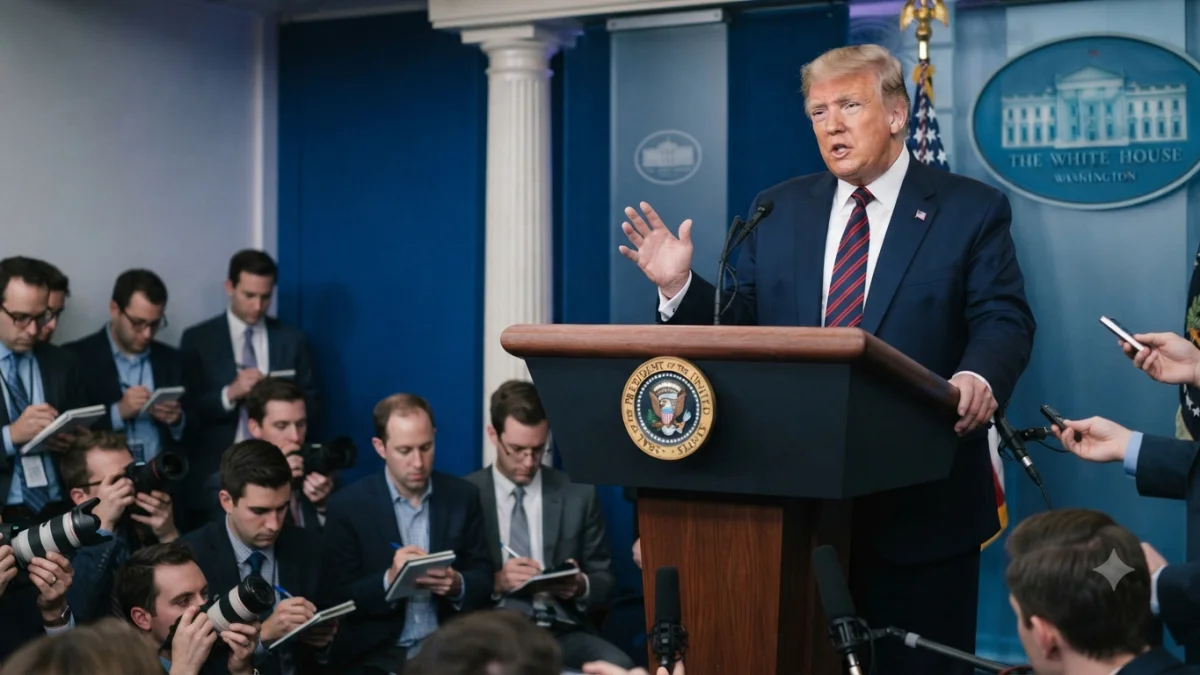


WASHINGTON — U.S. President Donald Trump has renewed his effort to restrict birthright citizenship, signing two executive orders that seek to narrow citizenship protections for some children born in the United States despite a Supreme Court ruling in June that rejected his broader attempt.
The orders, signed on Aug. 6, target what the administration calls “birth tourism,” in which foreign nationals travel to the United States to give birth, as well as children born to certain foreign government employees and people classified as alien enemies. The administration argues the measures fall within narrow historical exceptions to the constitutional guarantee of citizenship.


Trump's move came just weeks after the Supreme Court ruled 6-3 against his earlier executive order, which sought to deny citizenship to children born in the United States when neither parent was a U.S. citizen or lawful permanent resident. The court's June 30 decision said the Fourteenth Amendment's Citizenship Clause provides citizenship to people born in the United States and subject to its jurisdiction.
The new orders take a narrower approach. One seeks to limit citizenship for children in specified circumstances involving foreign government personnel and people deemed enemy aliens. The other directs the administration to combat birth tourism, including through measures involving visa policies and enforcement, according to the White House and administration officials.
White House aide Stephen Miller said at the signing ceremony that birth tourism was being banned. Trump has described the practice as an abuse of the immigration system and criticized the Supreme Court's ruling.
The administration's position contrasts with the long-standing interpretation of the 14th Amendment. Chief Justice John Roberts wrote in the June ruling that the Citizenship Clause has a broad reach, subject to limited historical exceptions.
The orders are expected to face legal challenges. Civil rights groups have argued that the president cannot use executive action to narrow a constitutional guarantee, while the administration maintains that its latest measures address exceptions not resolved by the Supreme Court's ruling.
There are no official figures establishing how many foreign nationals travel to the United States specifically to give birth, Reuters reported. One 2020 estimate by the Center for Immigration Studies put the number of mothers involved in birth tourism at between 20,000 and 25,000 during a year-long period in 2016-2017.
The new executive orders remain subject to judicial review, leaving the scope and enforceability of the administration's latest restrictions unresolved.