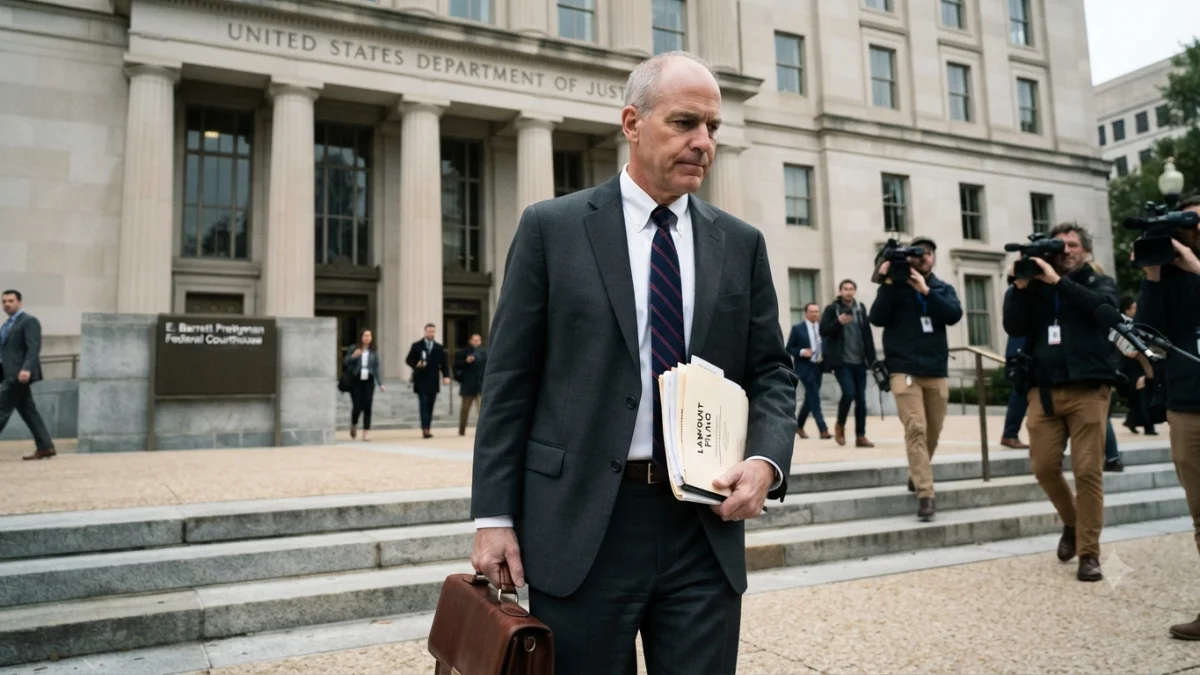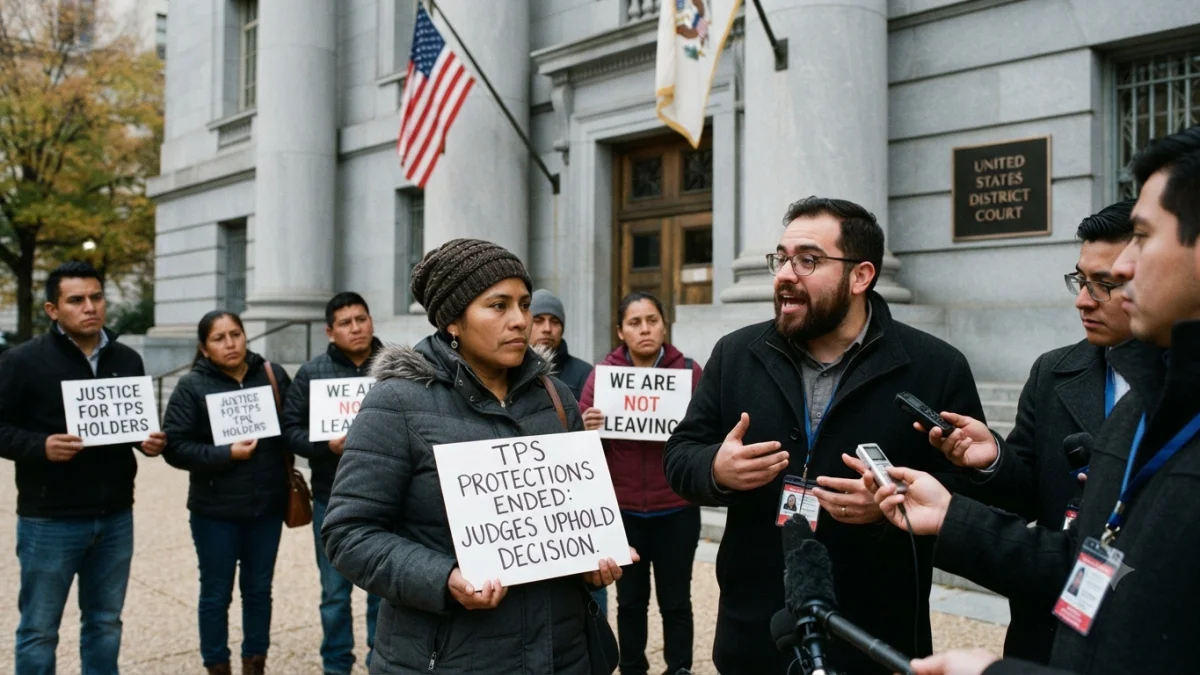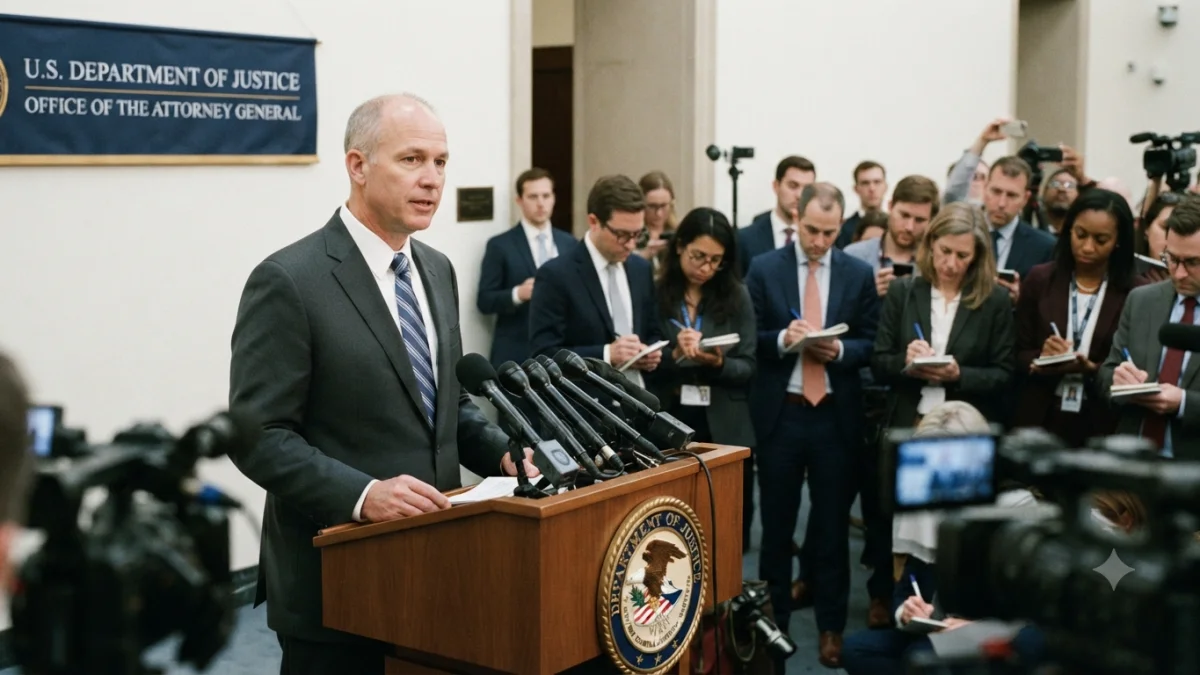


The U.S. Senate’s narrow confirmation of Todd Blanche as attorney general has ended weeks of uncertainty over who would permanently lead the Justice Department, but it has not resolved the central question surrounding his appointment: how independently he will exercise the department’s considerable law-enforcement powers while serving a president for whom he previously worked as a personal defense lawyer.
Blanche was confirmed 50-49 on Aug. 8, with Republican Senators Susan Collins and Lisa Murkowski joining Democrats in opposition. Republican Senator Bill Cassidy provided the decisive support. The vote followed weeks of negotiations in which Blanche sought to reassure Republican senators who had become concerned about his handling of politically sensitive matters.


The significance of the confirmation extends beyond filling a vacant cabinet position. Blanche had already been running the Justice Department as acting attorney general since April, after previously serving as its second-ranking official. His permanent confirmation therefore largely formalizes an existing direction for the department while giving him a full mandate to pursue the administration’s priorities.
That continuity is important because the Justice Department has undergone substantial changes during President Donald Trump’s second term. Reuters reported that under Blanche’s leadership the department has pursued prosecutions involving Trump’s perceived political enemies, experienced departures of career prosecutors and stated that it operates at the president’s direction, developments that depart from longstanding expectations of institutional independence. Federal judges have also criticized prosecutors in some cases, while political appointees have removed senior career officials and staffing has fallen in parts of the department.
Blanche’s supporters offer a different assessment. They point to his previous career as a federal prosecutor and argue that his experience inside the Justice Department, combined with his work as a defense lawyer, makes him capable of managing the department while enforcing its core responsibilities. Senate Judiciary Chairman Chuck Grassley called Blanche a tough and fair prosecutor committed to the rule of law. Other Republican skeptics who ultimately supported him argued that Blanche was likely the most acceptable candidate Trump could have nominated and might be better positioned to resist inappropriate White House pressure once serving permanently.
The confirmation fight nevertheless exposed unusually broad concerns about the boundary between presidential priorities and prosecutorial independence. Blanche’s previous representation of Trump in criminal cases has remained central to Democratic criticism. During his July confirmation hearing, Senator Alex Padilla questioned whether Blanche was fit to lead the department given his previous role as Trump’s lawyer and his conduct while serving as acting attorney general.
Republican resistance also became significant. Collins and Murkowski were not simply following Democratic opposition; both raised concerns about Blanche’s judgment and independence. Murkowski said she lacked confidence that Blanche would be willing to check what she described as the administration’s worst impulses. She cited the handling of Jeffrey Epstein-related documents, immunity provisions involving Trump and his family, statements concerning abortion groups and what she described as repeated targeting of individuals.
The controversy surrounding the so-called anti-weaponization fund was particularly consequential because it tested Blanche’s ability to respond to congressional pressure from his own party. The fund, associated with a settlement of Trump’s lawsuit against the Internal Revenue Service, was valued at $1.8 billion and could have provided payments to people who claimed they had been improperly targeted by government investigations. Blanche ultimately agreed in writing to end those payments and narrow provisions granting Trump, his sons and their family business protection from IRS audits.
Those concessions helped secure Republican votes, but they also left an unresolved institutional question. Reuters reported that questions remained over whether Blanche’s commitments were legally binding and whether a future administration could establish a similar program under another name. The issue illustrates the limits of confirmation assurances: senators can demand commitments from a nominee, but the durability of those commitments may depend on subsequent departmental actions, congressional oversight and judicial review.
The handling of Epstein-related records presents another test. Blanche faced scrutiny from senators over the Justice Department’s treatment of documents connected to Jeffrey Epstein, while New Mexico has separately sued the federal government seeking access to records it says are necessary for its investigation. The DOJ has cited privacy protections and court orders as reasons for withholding some material, making the dispute both a transparency issue and a legal question over competing investigative and privacy obligations.
Blanche now takes permanent control of a department whose credibility, prosecutorial practices and relationship with the White House will remain under scrutiny. The immediate confirmed facts are that he has secured the Senate’s approval, obtained commitments that helped overcome Republican objections and assumed the department’s top legal position. What remains to be established through the department’s subsequent actions is how those commitments will be implemented, how Blanche handles politically sensitive investigations and disclosures, and whether his permanent tenure produces greater institutional independence or continues the direction already established while he served as acting attorney general.