

WASHINGTON — Senate Republicans reversed course on a measure aimed at limiting President Donald Trump’s authority to continue military action against Iran, rejecting a war powers resolution on Wednesday a day after a similar proposal passed the chamber in a rare bipartisan rebuke of the president.
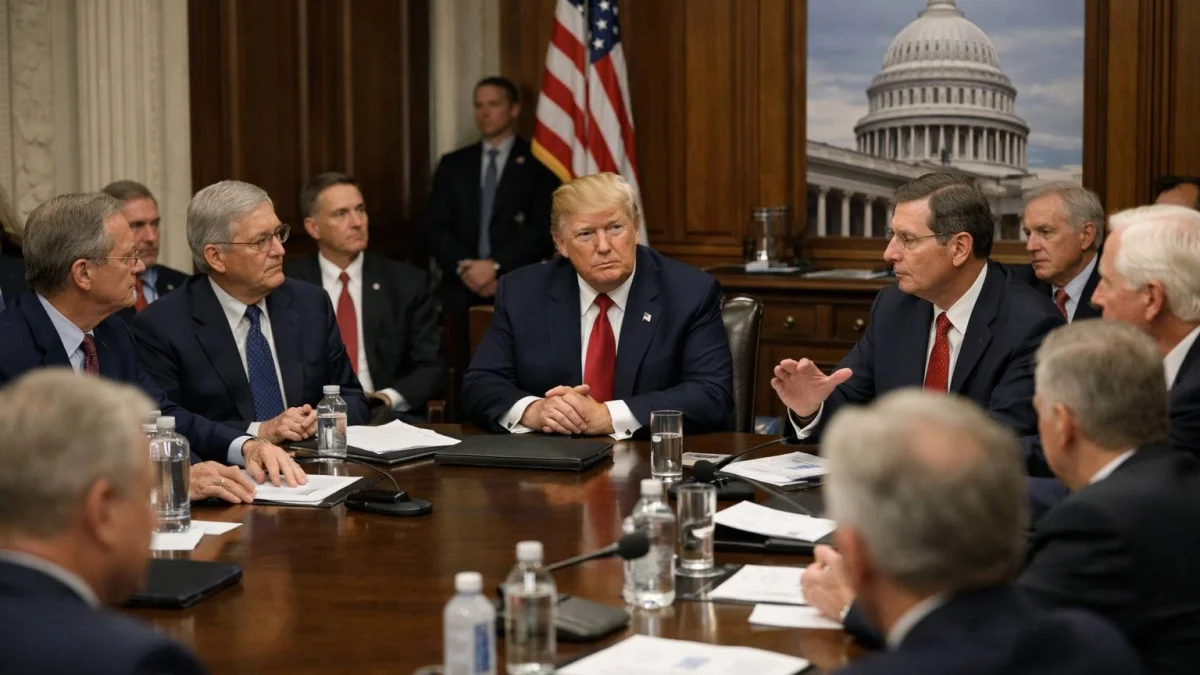
The late-night procedural vote followed a closed-door meeting between Trump and Republican senators at the Capitol, where the president sharply criticized members of his party who had supported the earlier resolution, according to lawmakers and media reports.


The measure failed after key Republican senators changed their positions. Sen. Bill Cassidy of Louisiana, who had joined Democrats and several Republicans in backing the earlier resolution, voted against advancing the new measure after receiving a White House briefing on Iran. Sen. Rand Paul of Kentucky, another Republican who had previously supported efforts to restrict the president’s war powers, voted “present.”
According to the Associated Press, the procedural motion was defeated by a vote of 47-50, with Republican Sens. Susan Collins of Maine and Lisa Murkowski of Alaska continuing to support the effort.
The dispute stems from congressional concerns over Trump’s handling of the conflict with Iran and the extent of presidential authority to conduct military operations without explicit congressional approval. On Tuesday, the Senate approved a House-passed war powers resolution seeking to constrain U.S. military involvement in the conflict. Four Republicans joined most Democrats in supporting that measure.
Trump argued that congressional action undermined ongoing negotiations with Tehran. Following Wednesday’s vote, supporters of the administration said lawmakers should provide the president with flexibility as diplomatic efforts continue. According to Semafor, some Republican senators who attended administration briefings concluded that Trump should be given “room to negotiate.”
Democrats criticized the reversal and renewed calls for Congress to assert its constitutional role in authorizing military action. Senate Democratic leaders have argued that decisions involving armed conflict should remain subject to congressional oversight.
The Senate’s action came as the Trump administration requested additional funding from Congress related to the Iran conflict and broader national security priorities. The administration said the request was necessary to support military operations and related programs.
As of Thursday, the Senate had rejected the latest war powers measure, leaving no new congressional restrictions in place while negotiations between the United States and Iran continued, according to lawmakers and administration officials.