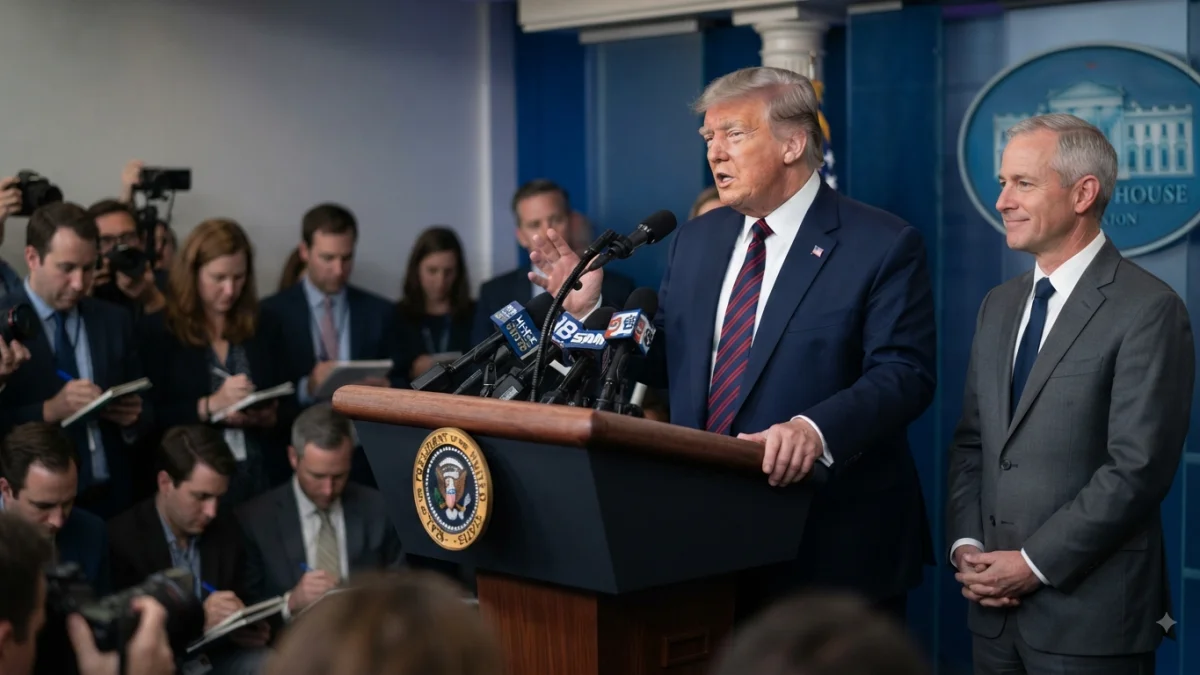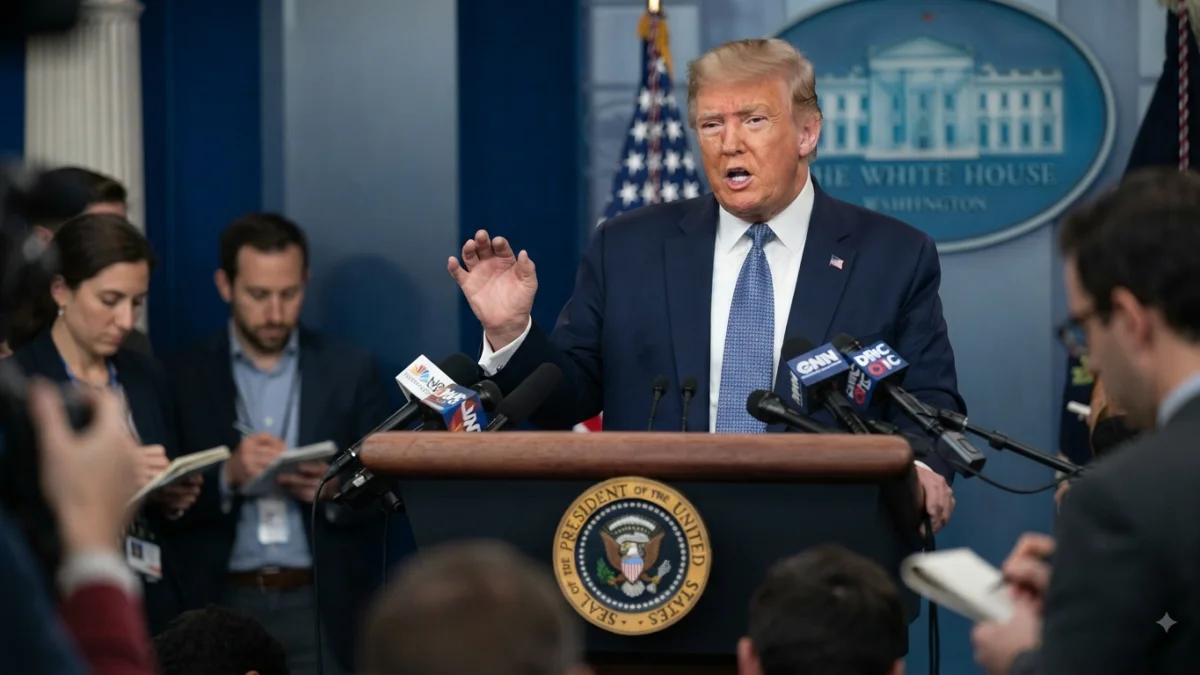


WASHINGTON — The U.S. Senate has rejected a resolution that sought to limit President Donald Trump’s authority to continue military operations against Iran without explicit congressional approval, dealing a setback to lawmakers seeking greater congressional oversight of the conflict and related diplomatic negotiations.
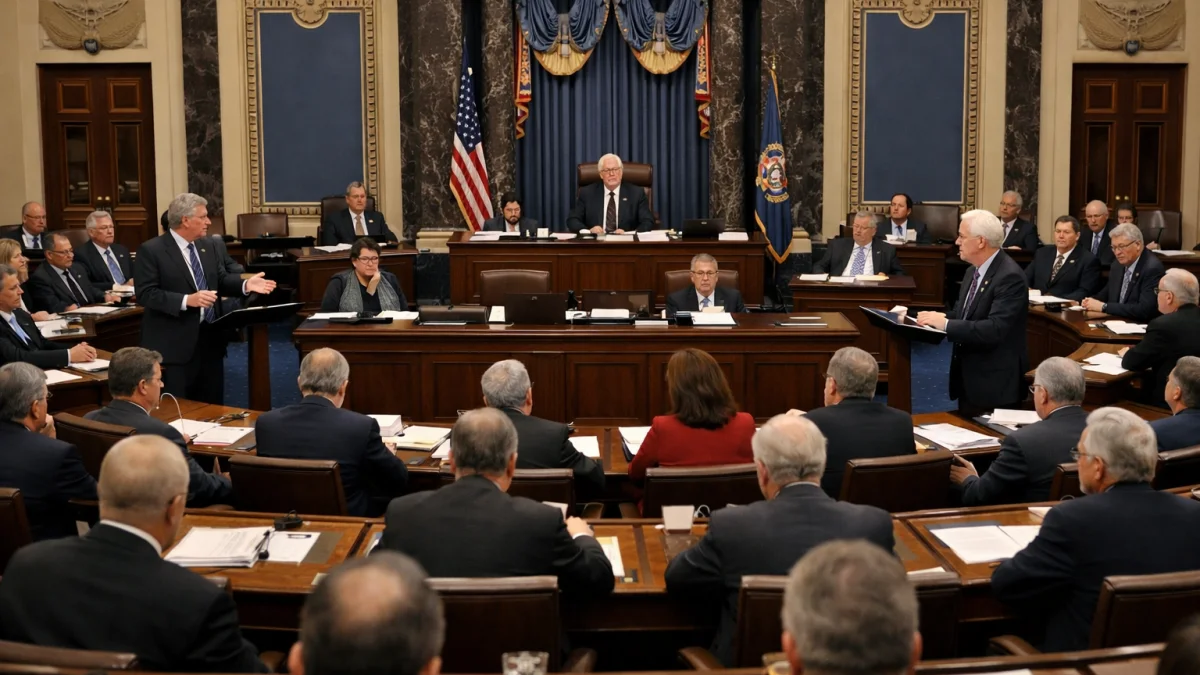
The Senate voted 48-47 on June 16 against advancing the measure, which was introduced by Democratic Senator Raphael Warnock of Georgia under the War Powers Resolution. The proposal would have directed the administration to end U.S. military hostilities against Iran unless Congress specifically authorized further action.


The vote came days after the White House announced a framework agreement with Tehran intended to halt nearly four months of conflict and establish a path toward broader negotiations. Despite the diplomatic breakthrough, lawmakers from both parties have continued to press the administration for details of the agreement and the legal basis for ongoing military operations.
Four Republican senators — Bill Cassidy of Louisiana, Susan Collins of Maine, Lisa Murkowski of Alaska and Rand Paul of Kentucky — joined most Democrats in supporting the resolution. Democratic Senator John Fetterman of Pennsylvania voted against it, siding with most Republicans. Several senators did not vote.
Supporters of the measure argued that Congress has a constitutional responsibility to authorize sustained military action. “Congress must reclaim its authority over decisions of war and peace,” Warnock said during debate, according to congressional proceedings cited by U.S. media reports. Opponents maintained that the president possesses sufficient authority to respond to national security threats and manage ongoing negotiations with Iran.
The failed vote marked the latest in a series of congressional efforts to curb presidential war powers since the conflict escalated earlier this year. According to Reuters and the Associated Press, it was the ninth unsuccessful Senate attempt to advance legislation directing the administration to halt military operations against Iran.
The debate has intensified amid growing questions about the contents of the U.S.-Iran memorandum of understanding announced by Trump. Senate Majority Leader John Thune and other lawmakers have requested briefings and access to the agreement’s text, saying Congress requires more information before evaluating its implications.
Republican leaders largely defended the administration’s approach, while several Democrats and a small group of Republicans expressed concern about the lack of congressional involvement in decisions related to the conflict and subsequent negotiations.
As of Friday, no additional Senate votes on the Warnock resolution had been scheduled. Another war powers measure sponsored by Senator Tim Kaine remains under consideration, while lawmakers continue to seek further details from the administration regarding the Iran agreement and future U.S. policy toward Tehran.