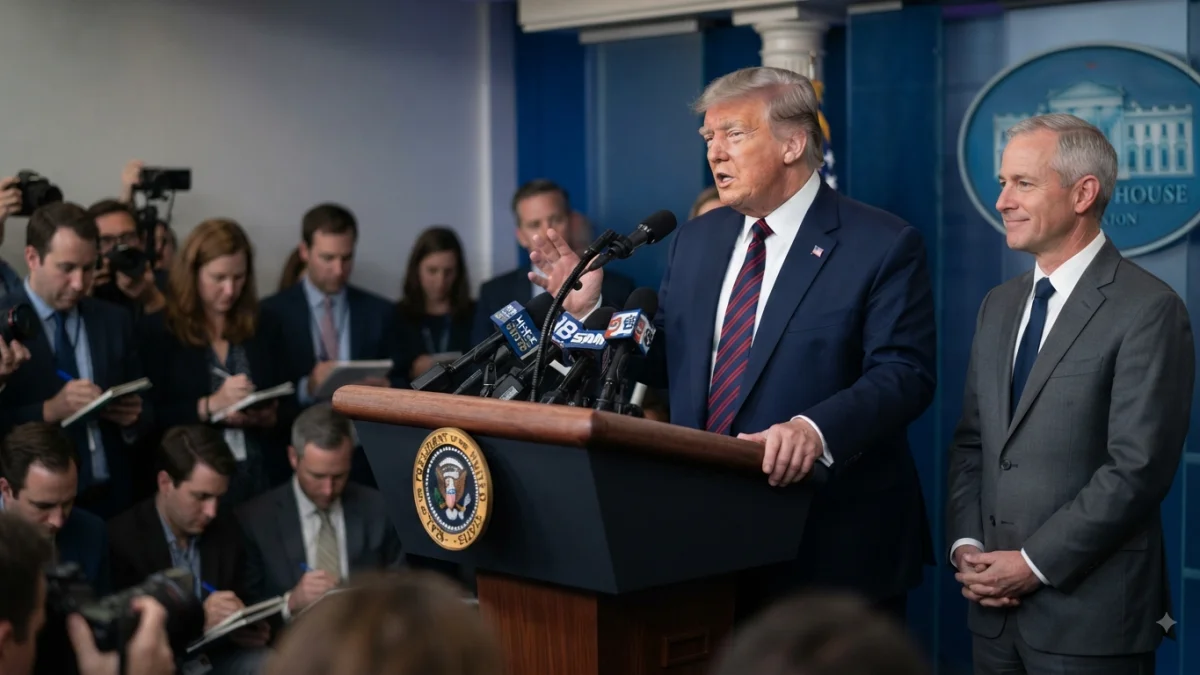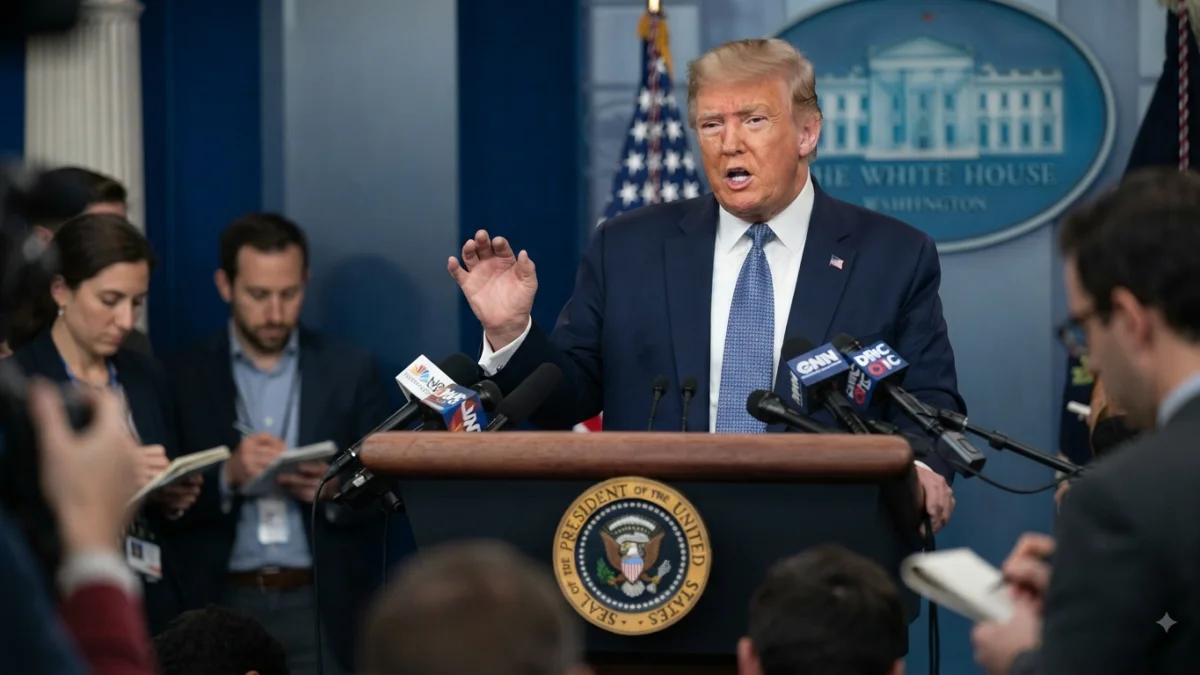


WASHINGTON — Senate Republicans are increasingly pressing President Donald Trump to adjust expectations for key parts of his legislative agenda, arguing that several administration priorities lack sufficient support in Congress as lawmakers work through a crowded policy calendar ahead of the November midterm elections.
The tensions have become more visible in recent weeks as Senate Republican leaders and committee chairmen have publicly acknowledged political and procedural obstacles facing some of Trump’s proposals, including election-related legislation and demands tied to national security measures. Republican lawmakers have said the Senate’s vote requirements and narrow margins limit what can be enacted.


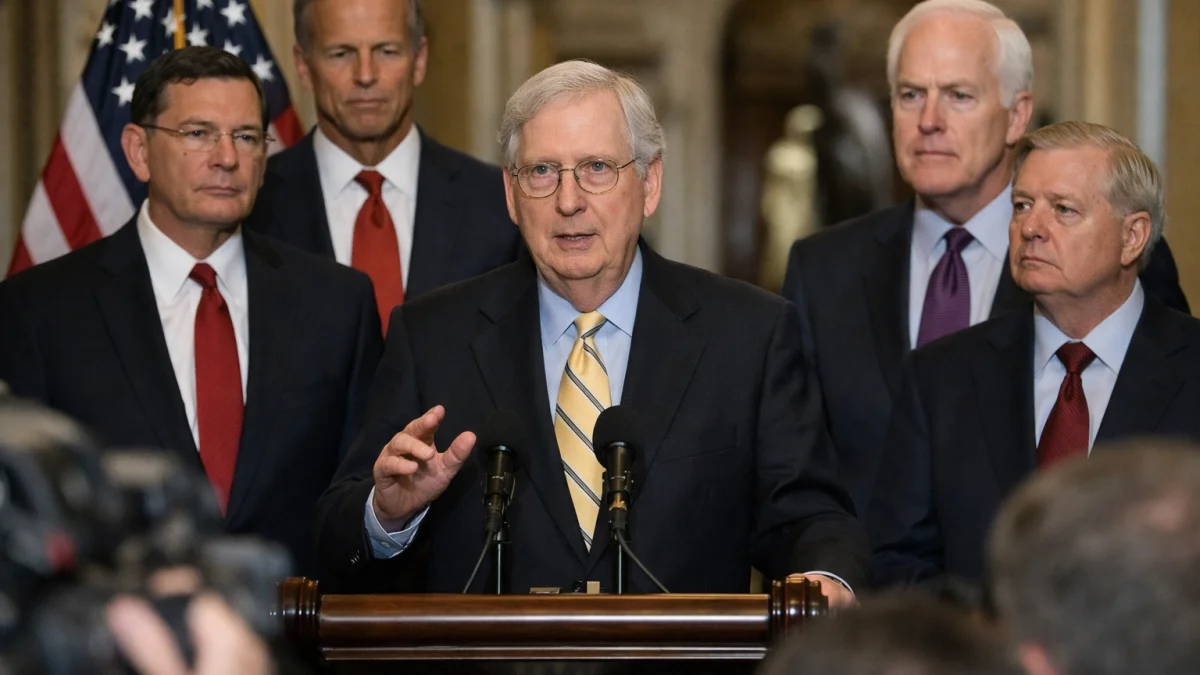
Senate Majority Leader John Thune and other Republicans have pushed back against efforts to link passage of the SAVE America Act, a voter-identification proposal backed by Trump, to renewal of surveillance authorities under Section 702 of the Foreign Intelligence Surveillance Act. Thune has previously stated that “the votes aren’t there” to pass the election measure under current Senate rules.
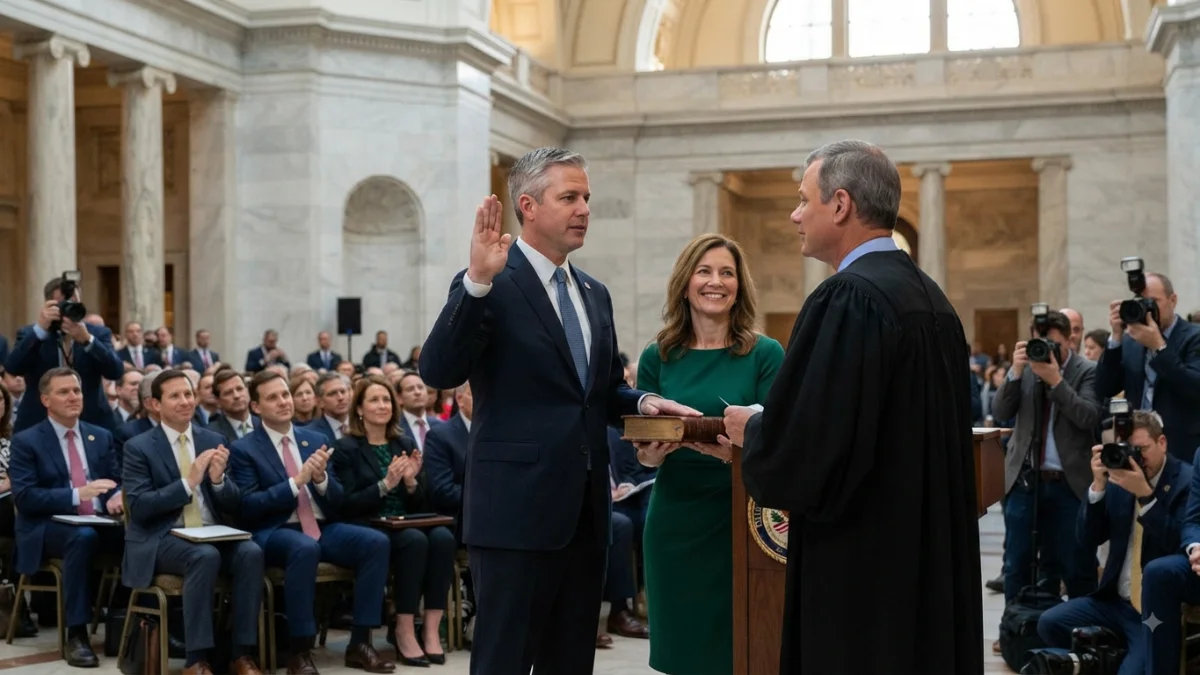
The disagreement intensified after Trump intervened in Senate plans to advance the nomination of Jay Clayton for director of national intelligence. Trump’s decision to delay the nomination process frustrated several Republican senators, who said the move complicated efforts to advance other legislative priorities.
Republican Senator Thom Tillis was among those criticizing the administration’s approach. “He made a colossal mistake,” Tillis said of Trump’s intervention in the intelligence nomination process, according to Reuters. “It’s undermining our ability to produce the very results he wants.”
Several Republican lawmakers have also expressed concerns about proposals involving intelligence leadership, government spending priorities and procedural changes in the Senate. While most Republicans continue to support the administration’s broader policy objectives, some have argued privately and publicly that legislative goals must reflect the realities of congressional vote counts and procedural constraints.
Democrats have seized on the disputes as evidence of divisions within the Republican Party. Senate Democratic leaders have accused Trump of complicating efforts to advance bipartisan legislation, particularly on national security matters.
The White House has continued to defend the president’s priorities. Administration officials have said Trump remains committed to advancing election-security measures and other campaign pledges, despite resistance in Congress.
As of Monday, Senate Republicans and the White House remained engaged in negotiations over several pending legislative and nomination matters. No resolution had been announced, and discussions were continuing, according to congressional aides and public statements from lawmakers.