

JUBA, South Sudan, Jun. 26 — South Sudan’s education system is at risk of failing a generation of children unless sustained support and investment are maintained, according to United Nations agencies and humanitarian organizations, which say conflict, displacement, climate shocks and chronic underfunding continue to keep millions of children out of school.
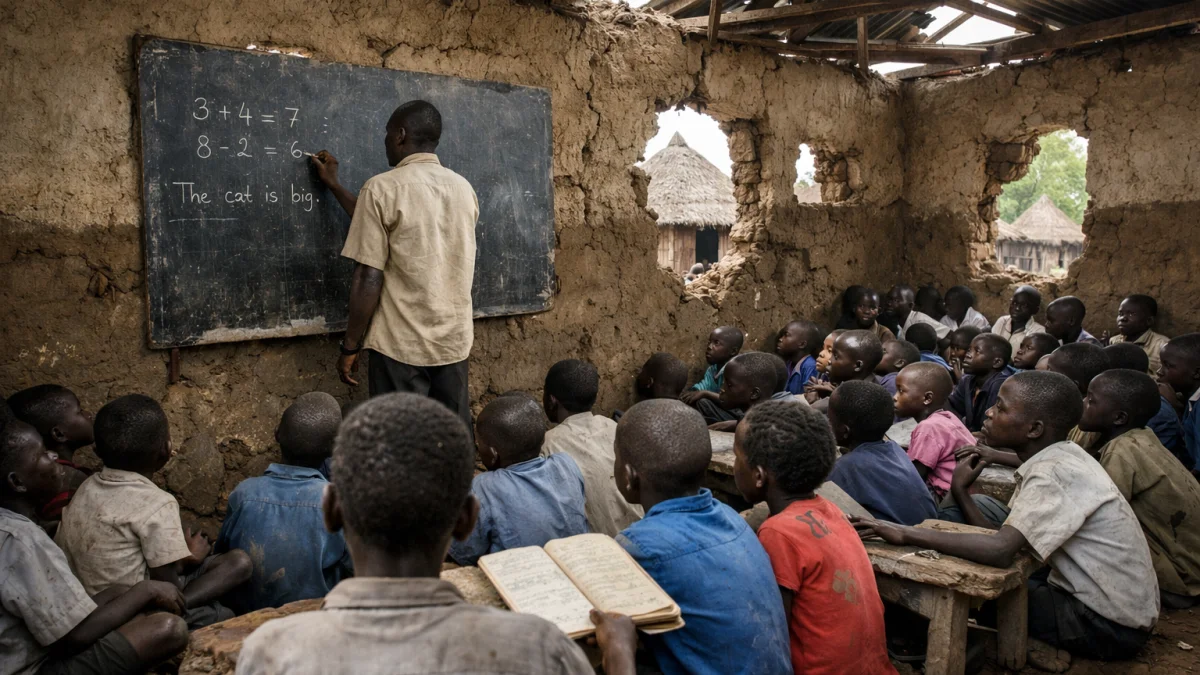
The United Nations and its partners have warned throughout 2026 that the country’s education sector remains under severe pressure despite efforts by the government and aid organizations to expand access to learning. According to the U.N., about 2.8 million school-aged children are currently out of school, one of the highest totals globally, while insecurity and repeated humanitarian emergencies continue to disrupt education across several regions.


Humanitarian agencies said conflict, internal displacement, flooding, extreme weather and poverty have combined to damage school infrastructure, interrupt teaching and prevent many children from attending classes. UNICEF said education disruptions also increase children's exposure to risks including recruitment by armed groups, child labor and early marriage, particularly for girls.
In a statement marking the International Day of Education in January, the United Nations called for greater participation by young people in shaping the country's education policies while urging continued support for schools and learning programs.
“Too many children and young people in South Sudan are still without access to quality education,” UNICEF Representative Noala Skinner said. “Children and adolescents must have opportunities to learn, and to influence the decisions that affect their learning, from schools to national policy.”
The U.N. said the government, supported by international partners, has continued implementing initiatives including the national "Back to Learning" campaign, alongside investments in formal and non-formal education, teacher support, school construction and vocational training. Humanitarian agencies said particular attention is being given to displaced children, girls, children with disabilities and communities affected by conflict.
UNICEF also reported that intensified insecurity in several areas during 2026 delayed the reopening of some schools, leaving large numbers of children without access to education while humanitarian access remained constrained. The agency said overlapping crises have continued to weaken an already fragile education system.
As of late June, the United Nations and humanitarian organizations continued to appeal for increased funding and sustained international support, saying education remains essential to protecting children and helping communities recover. Officials said efforts to expand access to learning are continuing, but warned that significant challenges remain and that many children are still unable to attend school.