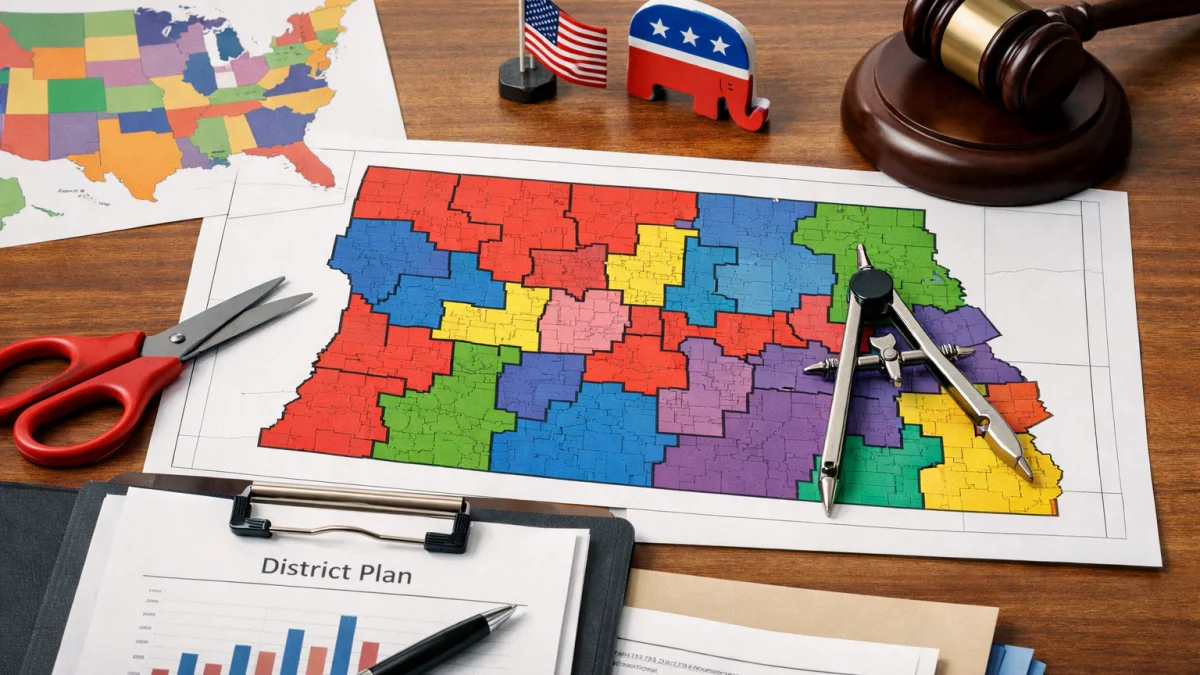


WASHINGTON — Ten U.S. states have adopted new congressional maps since last year as part of an unusual wave of mid-decade redistricting ahead of the 2026 midterm elections, according to election trackers.
The states — Alabama, California, Florida, Louisiana, Missouri, North Carolina, Ohio, Tennessee, Texas and Utah — have implemented revised boundaries for U.S. House districts, the National Conference of State Legislatures and Ballotpedia reported as of early June 2026.


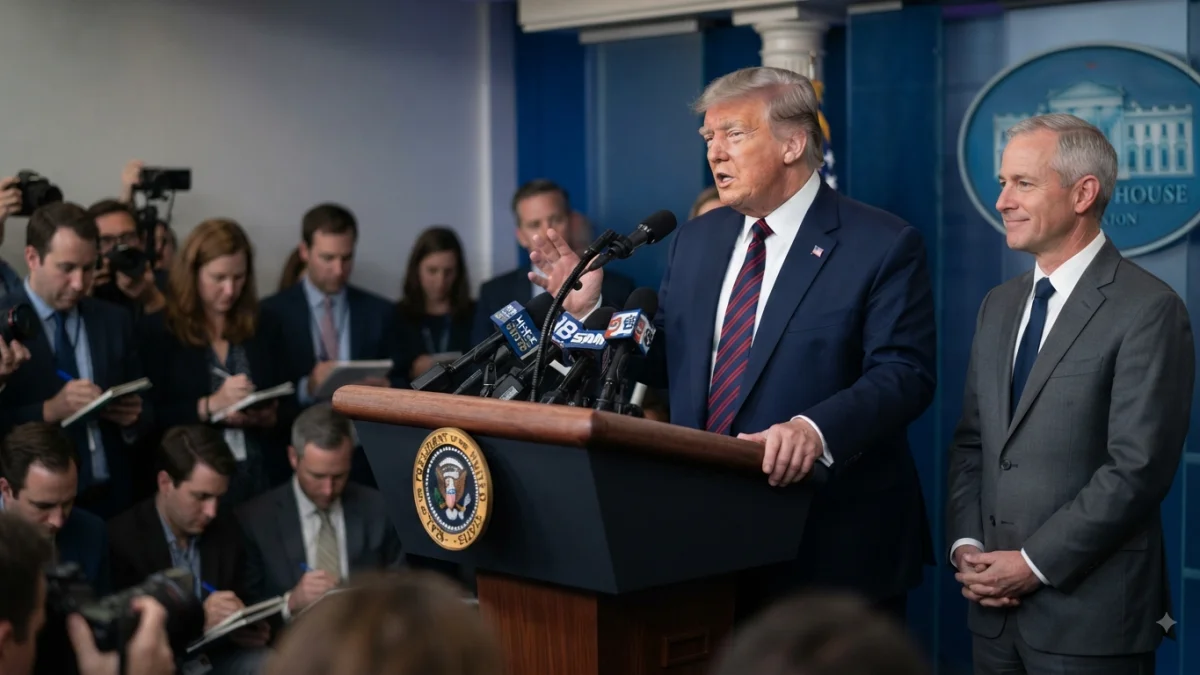
Most of the changes occurred after President Donald Trump urged Republican-led states to redraw maps to strengthen the party’s position in the House. Democrats in states such as California responded with their own efforts. The activity marks one of the most significant rounds of mid-decade redistricting in modern U.S. history.
In Texas, Republican Gov. Greg Abbott signed a revised map last year that could help the party gain seats. California voters approved changes via ballot measure in November 2025. Other states acted through legislation or court rulings, including recent actions in Alabama and Louisiana following U.S. Supreme Court decisions.
Republicans are positioned to gain a net advantage of up to about 10 seats under the new maps, while Democrats could gain several in states such as California and Utah, according to analyses by the Cook Political Report and other trackers. Exact outcomes will depend on voter turnout and candidate performance in November.
“These map changes reflect the intense partisan competition for control of the House,” said a spokesperson for the National Conference of State Legislatures. Details on the full impact remain subject to ongoing litigation in some jurisdictions.
The redistricting follows the standard post-2020 census maps used in the 2022 and 2024 elections. Mid-decade changes are permitted under federal law but are uncommon outside the decennial cycle. Several other states considered but did not complete new maps before candidate filing deadlines or primary elections.
In Virginia, a proposed constitutional amendment to allow redistricting was rejected by the state Supreme Court. Litigation continues in a handful of states, but most new maps are now in effect for the 2026 cycle.
The Bureau of Labor Statistics and other federal agencies play no direct role in redistricting, which is handled at the state level. Primary elections in many states are already underway or completed under the new boundaries.
With filing deadlines passed in most jurisdictions, candidates are now campaigning in the revised districts. The next major milestone is the November 3, 2026, general election. Further legal challenges or adjustments are possible but would require court action.