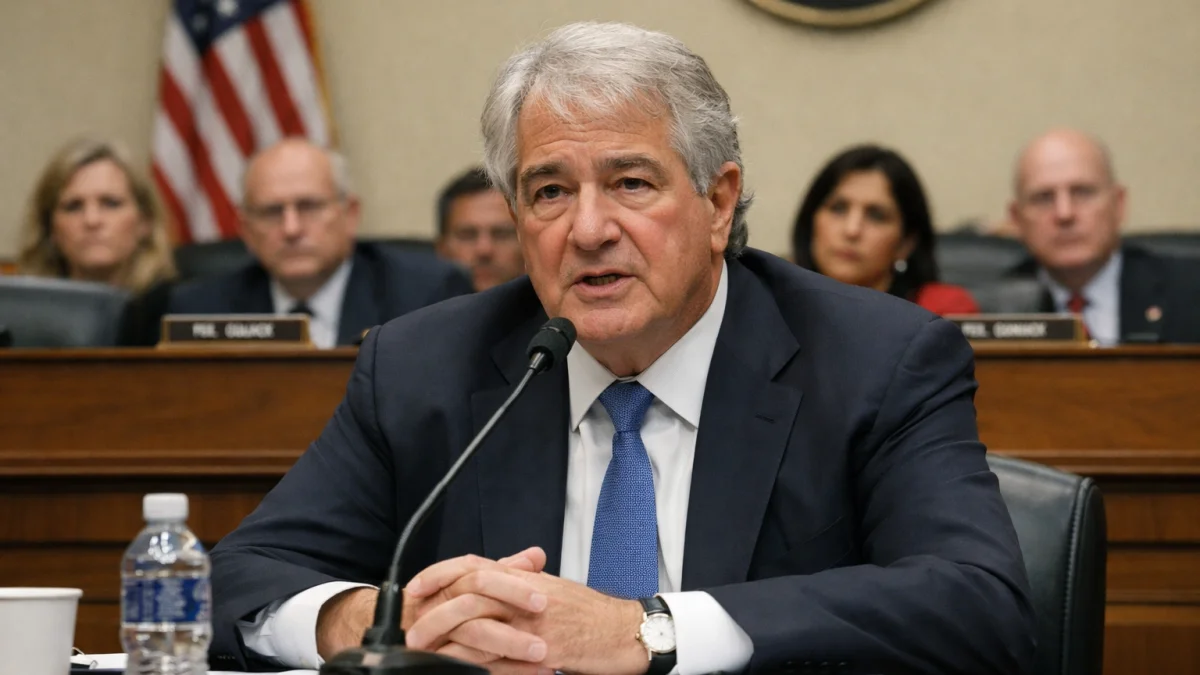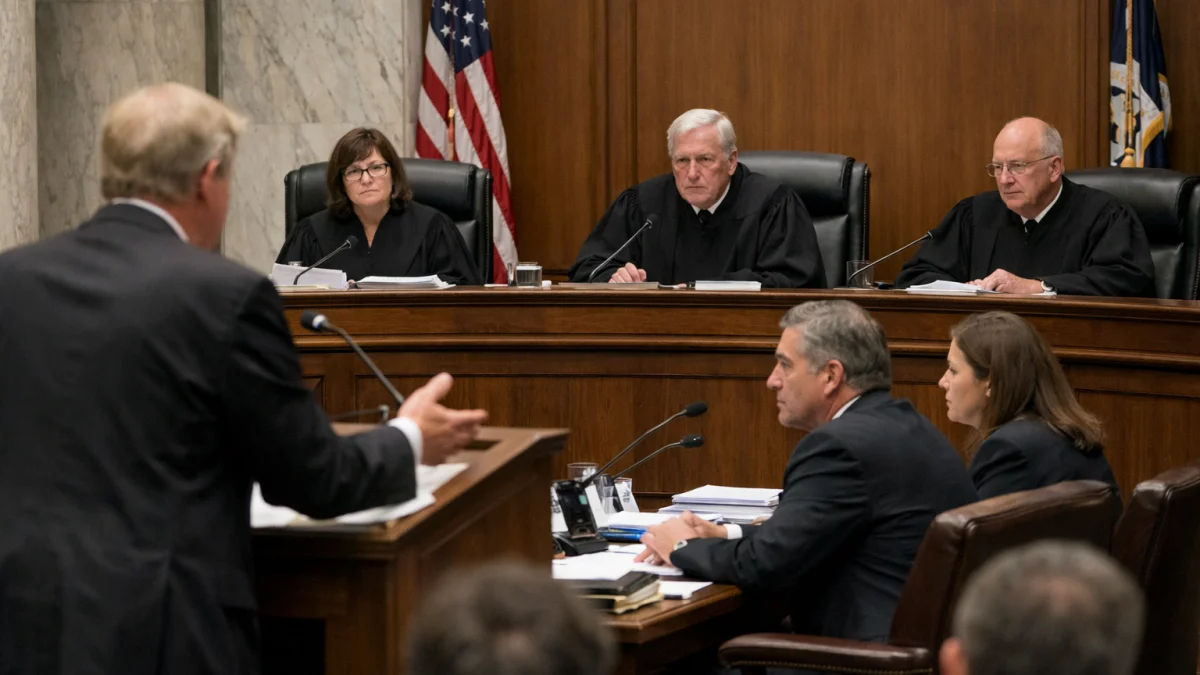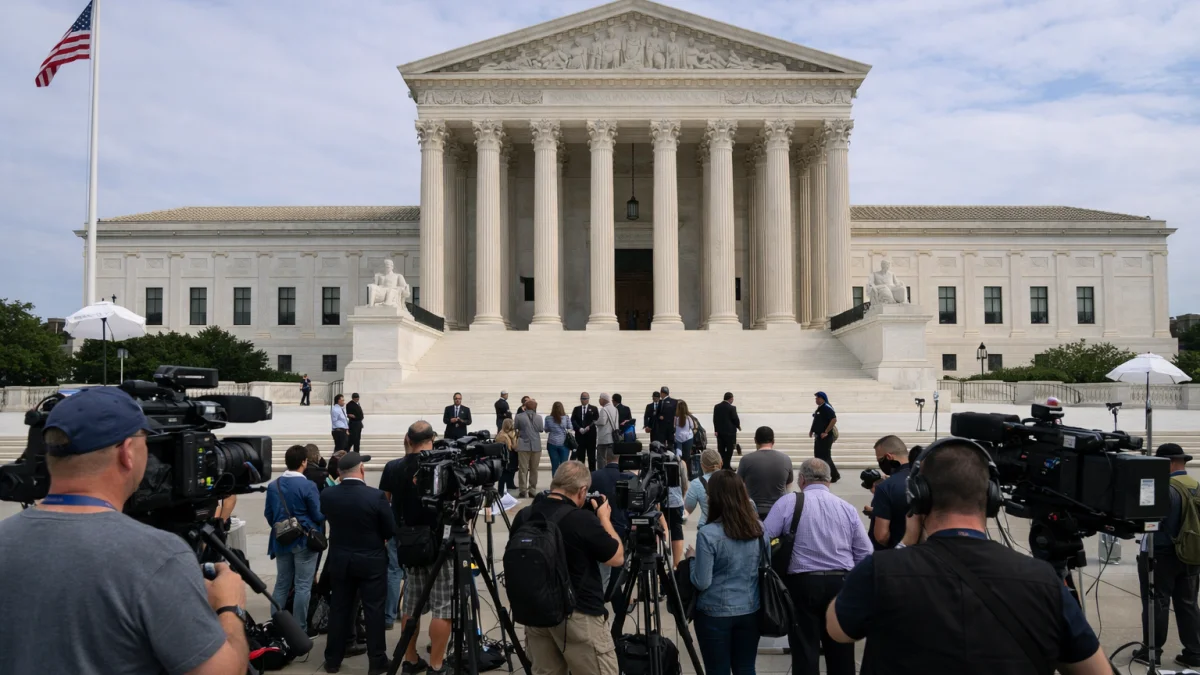
The U.S. Supreme Court on June 25 ruled 6-3 that individuals seeking asylum at ports of entry along the U.S.-Mexico border have not “arrived in the United States” if they have not yet physically crossed into the country, clearing the way for the Trump administration to revive a “metering” policy that allows federal agents to turn back asylum seekers before they can present claims.
The decision in Mullin v. Al Otro Lado fundamentally alters the practical application of long-standing federal asylum law by narrowing when statutory protections attach. Under the Immigration and Nationality Act (INA), noncitizens who arrive in the United States may apply for asylum, a protection rooted in both U.S. statute and international obligations under the 1951 Refugee Convention and its 1967 Protocol. The majority opinion, written by Justice Samuel Alito, held that an alien standing in Mexico does not “arrive” by attempting—and failing—to set foot on U.S. soil. Only those who successfully cross the border trigger the government’s obligation to inspect and process asylum claims.
This interpretation reverses a ruling by the San Francisco-based 9th U.S. Circuit Court of Appeals, which had found that the policy violated federal law by preventing inspection of individuals presenting themselves at official ports of entry. The Supreme Court’s conservative majority concluded that the INA’s text, context, and history support limiting the right to apply for asylum to those already within U.S. territory. The three liberal justices dissented, with Justice Sonia Sotomayor arguing that the decision “blesses the Executive Branch’s decision to slam the door shut on all who are fleeing persecution, despite the detailed inspection and asylum system that Congress enacted.”
The ruling’s immediate significance lies in restoring executive flexibility to manage high volumes of claims at the border. During the first Trump administration and parts of the Obama era, metering policies limited daily asylum applications at ports of entry in response to surges, such as one involving Haitian migrants near San Diego in 2016. The Biden administration ended the practice in 2021. With the Supreme Court’s backing, the current administration can reinstate limits without running afoul of the specific statutory interpretation previously endorsed by lower courts.
The decision does not eliminate the right to seek asylum entirely. Individuals who cross the border irregularly between ports of entry may still apply, subject to other legal restrictions such as credible fear interviews and bars on claims from those who transited through safe third countries. However, it shifts the burden toward irregular crossings, which carry higher risks of smuggling, exploitation, and enforcement consequences including expedited removal. Critics, including immigrant rights organizations and human rights advocates, contend this could strand vulnerable people in dangerous Mexican border regions while encouraging more perilous journeys. Supporters, including the Department of Homeland Security, describe it as a necessary tool for orderly processing amid sustained border pressures.
Historically, U.S. asylum law has balanced humanitarian commitments with border management. The 1980 Refugee Act formalized the modern system following the Vietnam War era and Cold War defections. Subsequent reforms, including the 1996 Illegal Immigration Reform and Immigrant Responsibility Act, tightened procedures, while court decisions have repeatedly tested the scope of executive authority. The current ruling aligns with a broader pattern of deference to the political branches on immigration at the physical frontier, echoing precedents such as Department of Homeland Security v. Thuraissigiam (2020), which limited habeas review in certain expedited removal cases.
Data from U.S. Customs and Border Protection underscore the scale of the challenge. Encounters at the southwest border have fluctuated sharply in recent years, with peaks exceeding two million annually in some periods before recent enforcement shifts. Processing capacity at ports of entry has long been strained, leading to long waitlists under prior metering systems. The ruling provides legal cover for prioritizing capacity without a judicial mandate to accept all comers at official crossings.
The Trump administration welcomed the decision as a victory for border security and the rule of law. DHS officials stated it equips them with additional tools to secure the homeland. Immigrant advocacy groups warned it undermines core protections and could lead to increased humanitarian challenges south of the border. Legal challenges to specific implementations are expected to continue, though the Supreme Court’s statutory interpretation narrows the grounds for blocking the policy outright.
The current confirmed situation is that the federal government now has clear judicial approval to limit asylum processing at ports of entry to those who have physically entered U.S. territory. Uncertainties remain regarding how aggressively the policy will be applied, its interaction with other ongoing immigration enforcement measures, and potential diplomatic or humanitarian ripple effects in Mexico and countries of origin. Officials are monitoring border encounter numbers, port capacity, and any new litigation as the administration operationalizes the ruling.