

WASHINGTON — The U.S. Supreme Court is weighing high-profile immigration cases as it nears the end of its term, with arguments from earlier this year shaping potential decisions on issues including temporary protected status and the rights of lawful permanent residents.
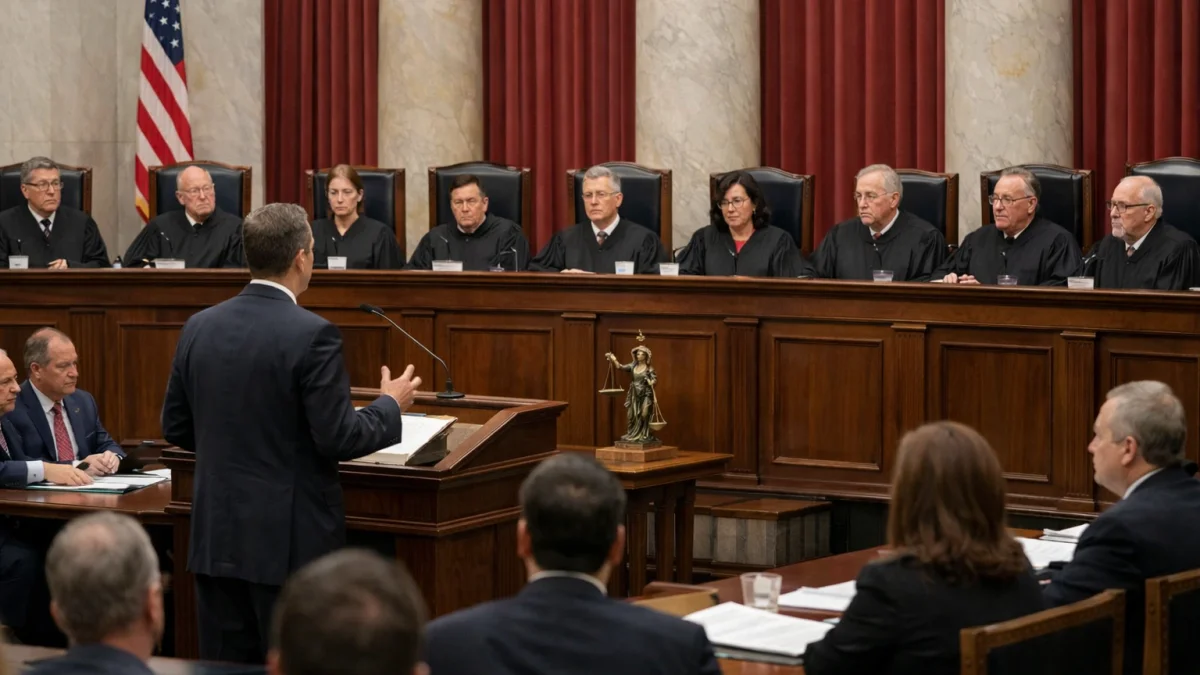
Oral arguments in several significant immigration matters took place in April 2026, including cases involving the Trump administration's efforts to terminate Temporary Protected Status for nationals of countries such as Haiti and Syria, and challenges related to the treatment of green card holders at ports of entry.


In one key case, *Mullin v. Doe* and the consolidated *Trump v. Miot*, the justices heard arguments concerning whether the administration can end TPS designations and the scope of judicial review under the relevant statute. TPS provides temporary legal status and work authorization to eligible migrants from designated countries facing unsafe conditions.
Another prominent matter, *Blanche v. Lau*, addressed the authority of immigration officers to reclassify lawful permanent residents as parolees upon re-entry based on prior criminal accusations, even without a conviction. Justices debated the evidentiary standards required during roughly 90 minutes of oral argument.
The cases arise against the backdrop of the administration's broader immigration enforcement priorities. Supporters of the government's positions have argued for greater executive discretion in immigration matters, while challengers, including immigrant advocacy groups, contend that the actions exceed statutory authority or violate due process protections.
"Details remain unclear" on the precise timing and content of upcoming rulings, though decisions in argued cases are expected by the end of June or early July.
The Supreme Court on Thursday, June 11, is scheduled to release opinions in pending cases, though it is not hearing new oral arguments on that date, according to the court's calendar. Additional opinions and orders are anticipated in the coming weeks as the term concludes.
Immigration policy has been a frequent subject before the court in recent years. Outcomes in these matters could affect hundreds of thousands of individuals currently protected under TPS and influence procedures for permanent residents.
As of June 11, 2026, the court continues its deliberations, with no final rulings issued yet in the highlighted high-profile immigration disputes. Further developments are expected in the coming days.