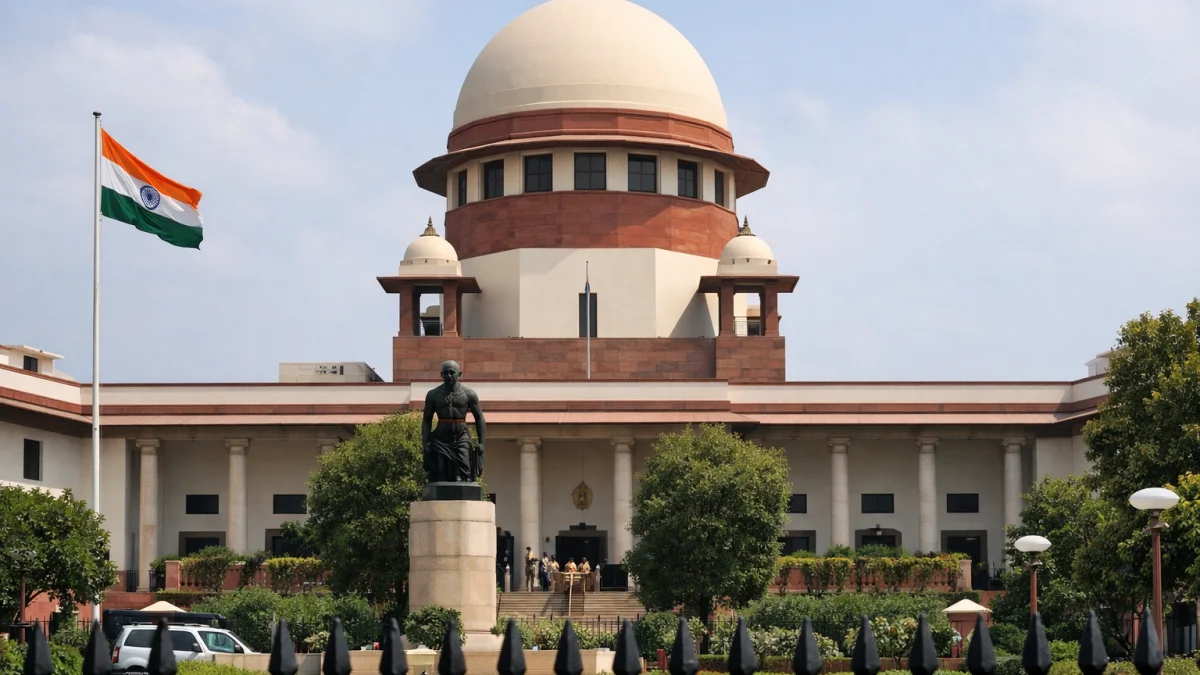


NEW DELHI — A Delhi High Court judge on Friday rejected Telegram’s challenge to a temporary government order blocking access to the messaging platform in India, allowing restrictions imposed ahead of a national medical entrance examination re-test to remain in place, according to court proceedings and government statements.
The ruling upholds a decision by the Indian government to suspend Telegram’s services nationwide until June 22 and disable certain platform features through the end of the month. Authorities said the measures were intended to prevent examination-related fraud and the circulation of fake question papers before the June 21 re-examination of the National Eligibility-cum-Entrance Test (NEET-UG), one of India’s largest entrance exams.


Justice Tejas Karia ruled that the government’s order was lawful and justified under emergency powers provided by India’s Information Technology Act, according to court reports. The judge said the temporary restriction met legal standards and was proportionate to the stated objective of protecting the integrity of the examination process.
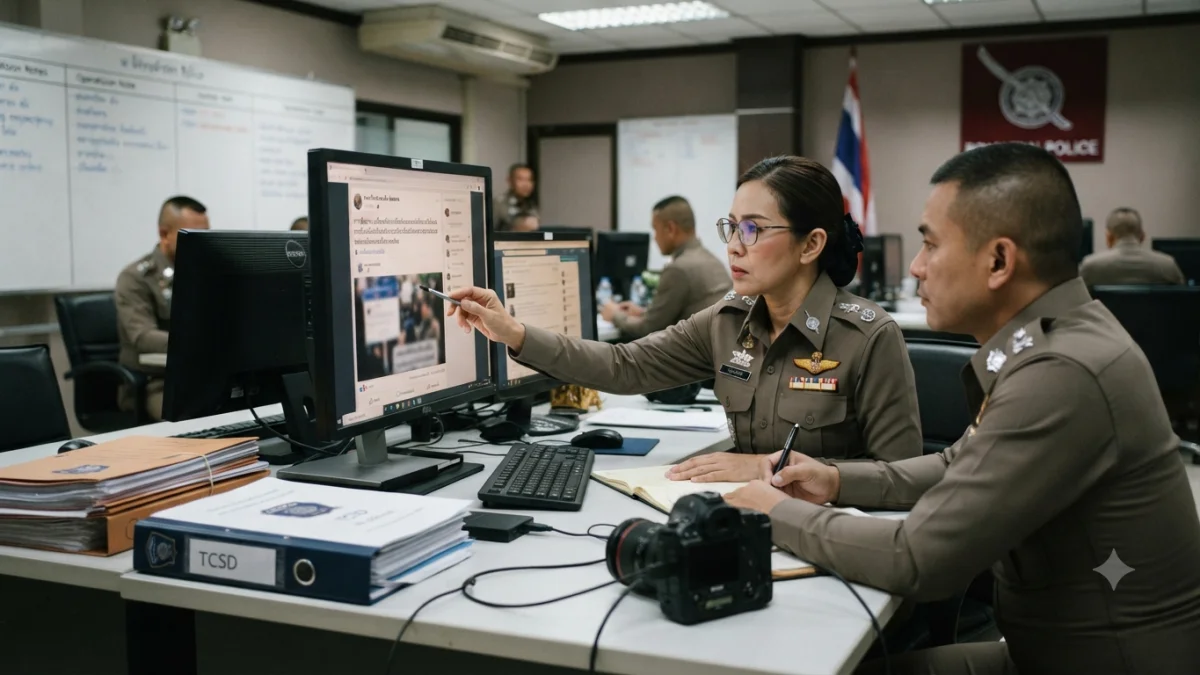
The government imposed the restrictions on June 16 following recommendations from the National Testing Agency (NTA), which oversees the examination. Officials said organized cheating networks had used Telegram channels, groups and automated tools to circulate misleading claims and purported examination materials after allegations of paper leaks forced authorities to cancel earlier test results. The NTA said the measures were taken “in the interest of public order” and to protect candidates participating in the re-test.
Telegram argued in court that the suspension infringed constitutional protections for free speech and access to information. In filings reviewed by Reuters, the company said a platform-wide block unfairly affected more than 150 million users in India and punished legitimate users for the actions of a small number of bad actors. Telegram also said it had removed hundreds of channels linked to exam-related fraud and cooperated with authorities.
Government lawyers countered that Telegram had failed to adequately prevent repeated misuse of its platform despite prior warnings. Authorities told the court that extraordinary measures were necessary because examination fraud had become a matter of national concern affecting millions of students.
The case has drawn criticism from digital rights advocates, who warned that blocking an entire communications platform could establish a broader precedent for internet restrictions. Supporters of the government’s action said protecting the integrity of a nationwide examination justified temporary intervention.
As of Friday, Telegram remained inaccessible through standard channels in India and the company had not announced whether it would pursue additional legal remedies. The temporary block is scheduled to remain in force until June 22, while restrictions on message-editing functions are set to continue until June 30, according to government orders.