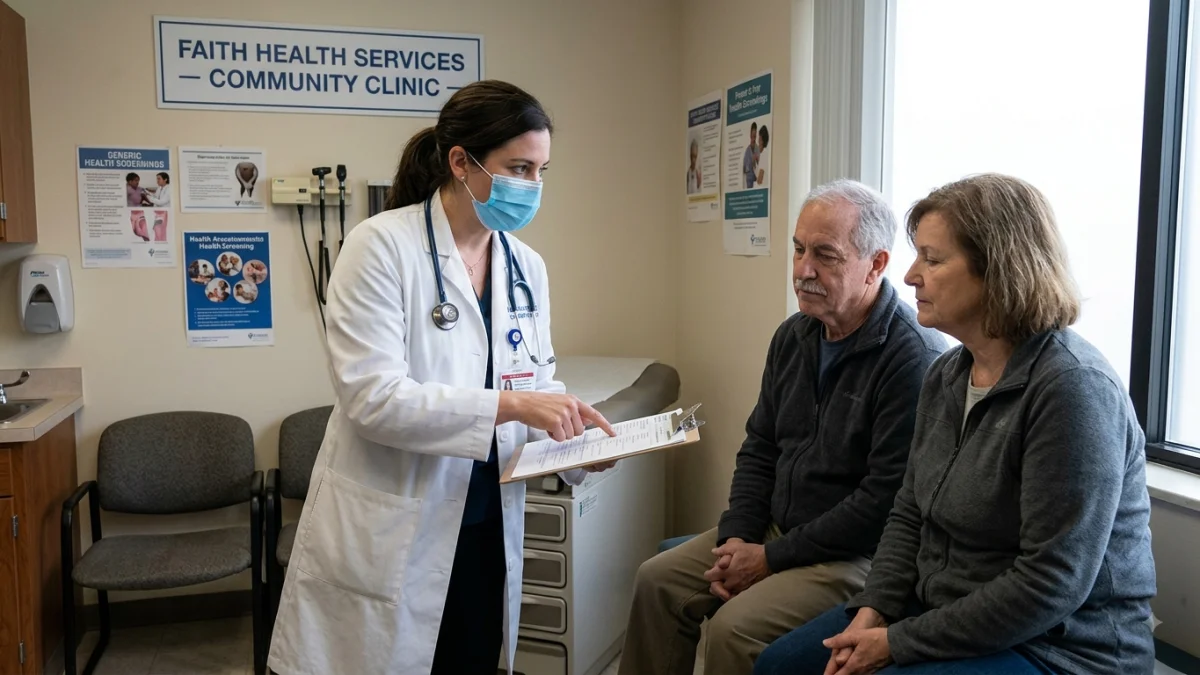


WASHINGTON — The Trump administration has announced nearly $2 billion in U.S. foreign assistance for health and humanitarian programs involving faith-based organizations, expanding the role of religious groups in the delivery of American aid overseas.
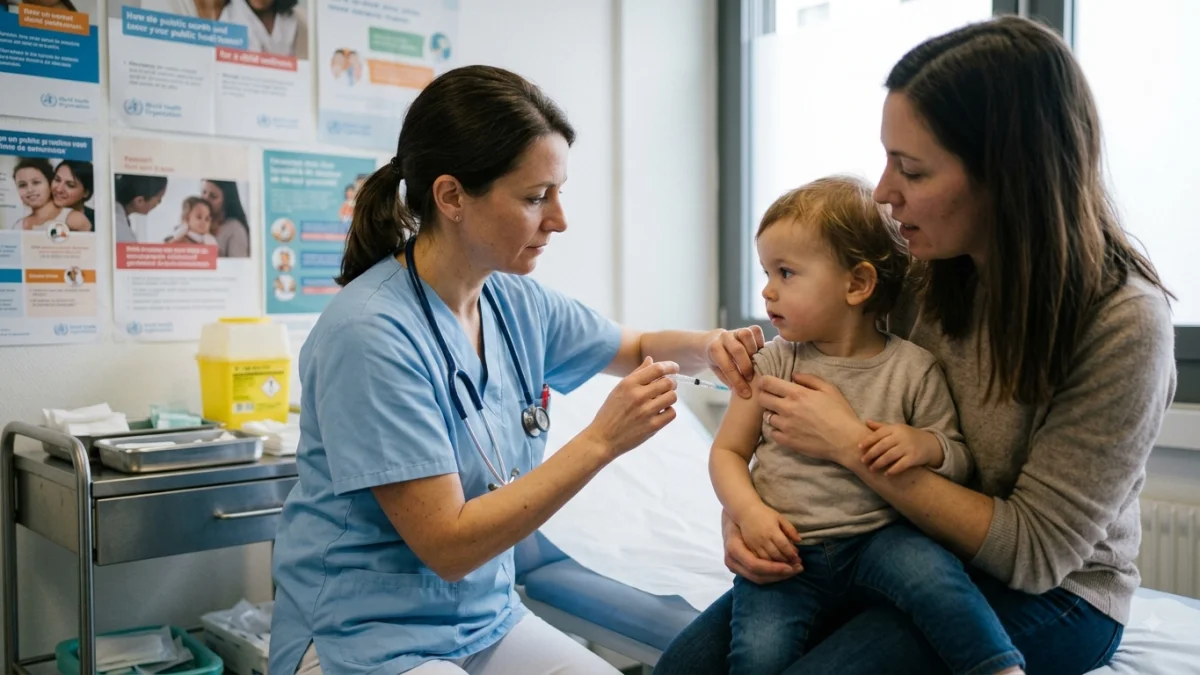
The State Department said the package includes about $1.4 billion for health services provided through faith-based and community hospitals and clinics, alongside $538 million in humanitarian assistance involving major faith-based organizations. The administration has described the health allocation as the largest U.S. commitment to global health assistance delivered through faith-based groups in more than two decades.


The funding marks a significant shift in the structure of U.S. foreign assistance under President Donald Trump, whose administration has moved to reduce the role of traditional aid institutions and place greater emphasis on bilateral agreements and nongovernmental organizations.
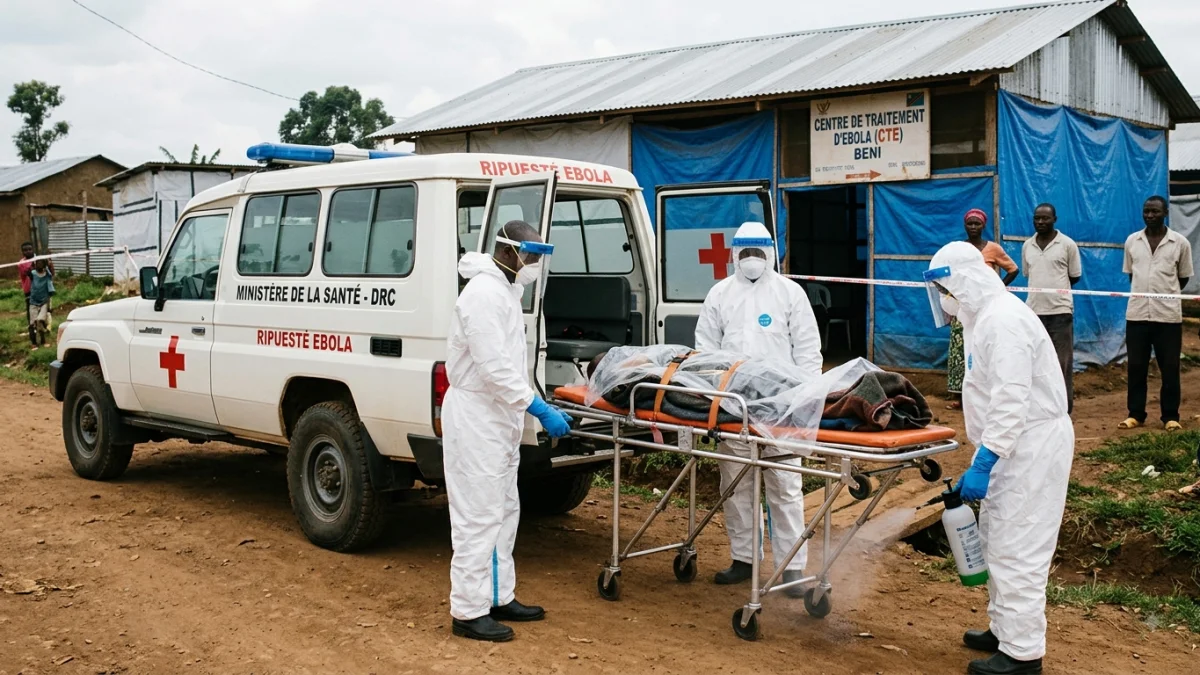
Among the organizations involved are Samaritan’s Purse and a consortium led by World Vision and Compassion International, according to information reported on the awards. The groups operate health, disaster-relief and humanitarian programs in developing countries.
The administration has argued that faith-based organizations can provide services through established local networks, particularly in areas where government health systems have limited reach.
The new funding has drawn scrutiny from groups that oppose the use of public money in religiously affiliated programs. The Freedom From Religion Foundation said it planned to seek records from the State Department concerning the awards, including funding agreements, selection procedures and safeguards intended to prevent federal money from supporting religious activities or discrimination.
The organization said humanitarian assistance should be allocated according to need and the capacity to provide services rather than religious affiliation.
Faith-based organizations have long been partners in U.S. global health programs. Under the President's Emergency Plan for AIDS Relief, established in 2003, religious groups have provided HIV prevention, treatment and community support in Africa and elsewhere. Advocates have credited such organizations with helping extend health services into underserved communities.
The Trump administration's broader overhaul of foreign assistance followed its decision to dismantle the U.S. Agency for International Development and transfer or restructure many of its functions. The changes have reduced overall U.S. foreign aid while increasing the emphasis on programs that the administration says advance American national interests.
The State Department's latest allocation adds to that restructuring by directing a substantial share of health and humanitarian work through faith-based and community organizations. Details on individual awards and implementation requirements are expected to determine how the funds are distributed and what safeguards apply.