

WASHINGTON — President Donald Trump said Monday that a ceasefire with Iran was on “life support” after he rejected Tehran’s latest response to a U.S. peace proposal.
Trump made the remarks at the White House while speaking to reporters during an event on maternal health. He described Iran’s counterproposal as “unbelievably weak” and one of the weakest he had seen, according to multiple news outlets that reported his comments.


“It’s on life support,” Trump said. “I would say the ceasefire is on massive life support where the doctor walks in and says, ‘Sir, your loved one has approximately a one percent chance of living.’”
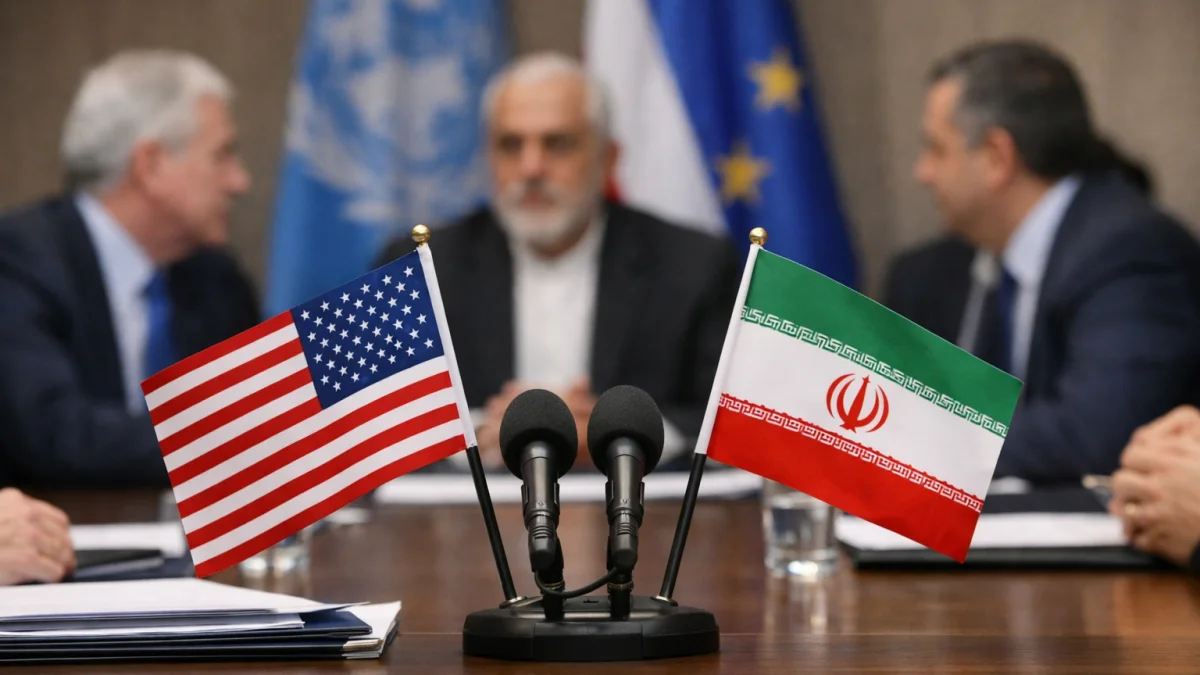
The comments came a day after Iran sent its response, mediated through Pakistan, to the latest U.S. proposal aimed at ending the conflict. U.S. officials said the Iranian reply did not include sufficient concessions on its nuclear program, which Washington has demanded. Details of both proposals remained unclear, as the White House has not publicly released the full texts.
The ceasefire, first announced in early April 2026 and later extended, has been fragile. It followed more than two months of conflict involving U.S. and Israeli strikes on Iranian targets. Iran has accused the U.S. and Israel of aggression, while Washington has cited threats from Iran’s nuclear activities and support for regional militant groups.
Iranian officials have not immediately commented on Trump’s latest statement. Tehran has previously warned that any resumption of major hostilities would meet a strong response. Pakistani mediators have continued efforts to bridge the gap between the two sides.
The situation has contributed to higher global oil prices and disruptions in the Strait of Hormuz, though specific impacts on shipping and energy markets were not detailed in Trump’s remarks. Trump has also floated ideas such as a temporary suspension of the federal gas tax to ease costs for American consumers.
As of Tuesday, the ceasefire remained in place but under severe strain, with both sides preparing for possible escalations. Defense officials have indicated contingency plans if negotiations fail.
The Trump administration has not set a public deadline for further talks but has signaled that patience is limited. Iran maintains that any final agreement must address the broader regional conflict, including issues involving Israel and Hezbollah.
Further developments are expected as Trump travels for international meetings.