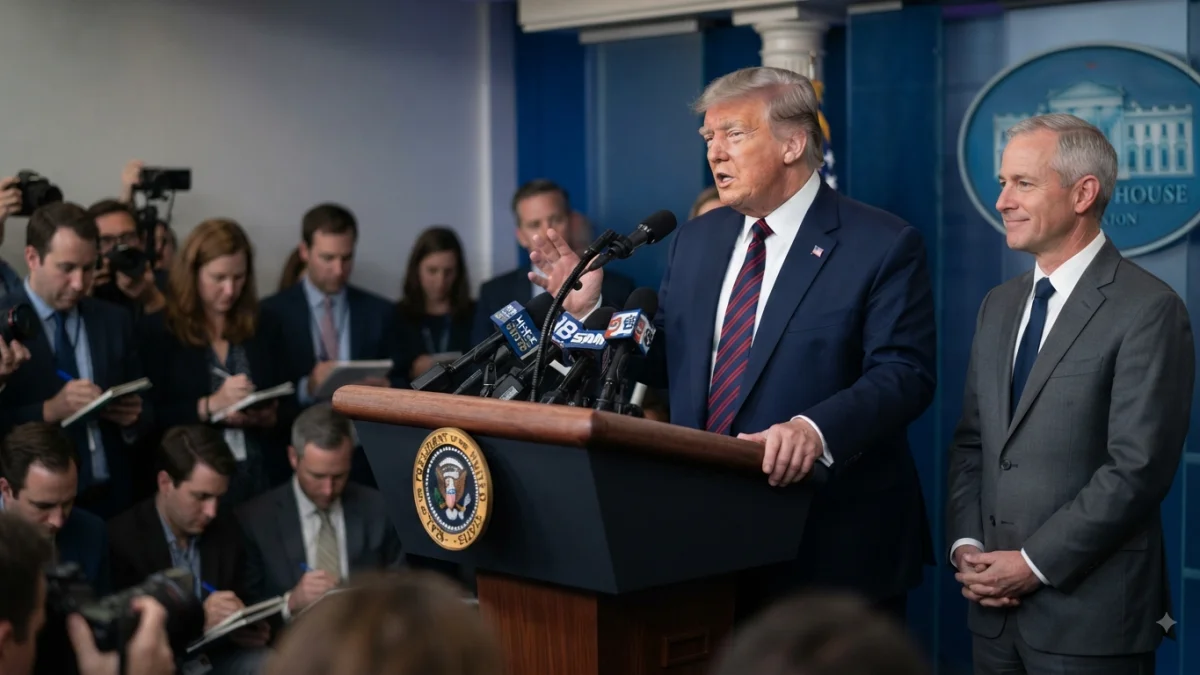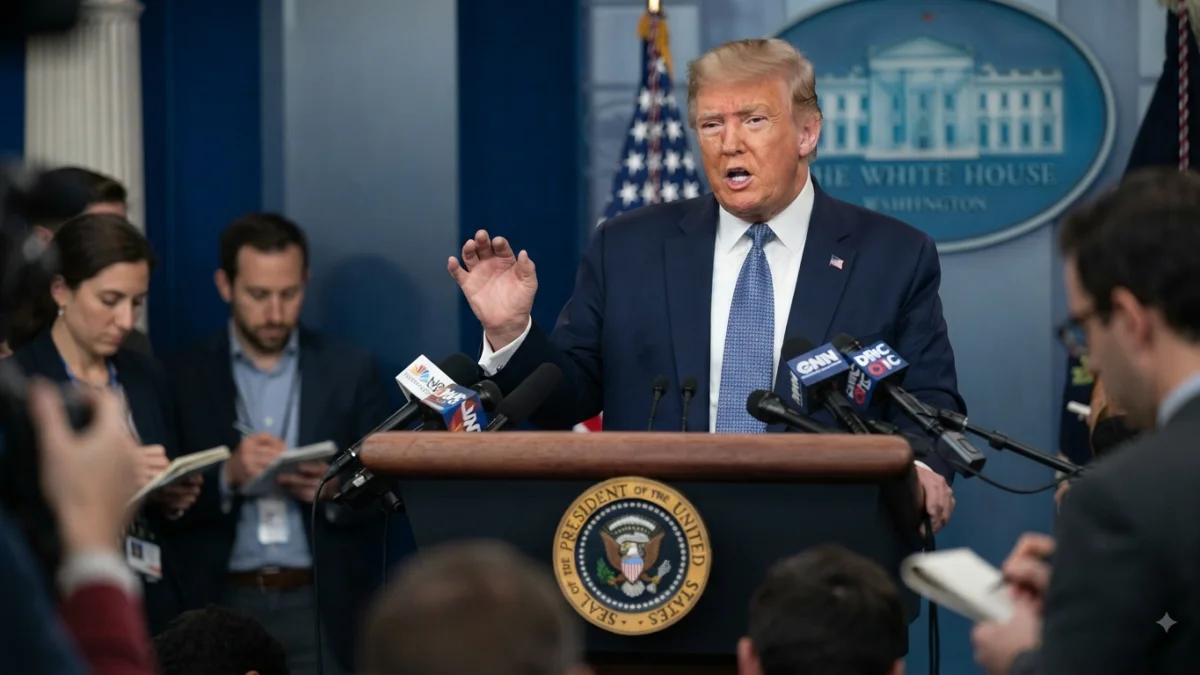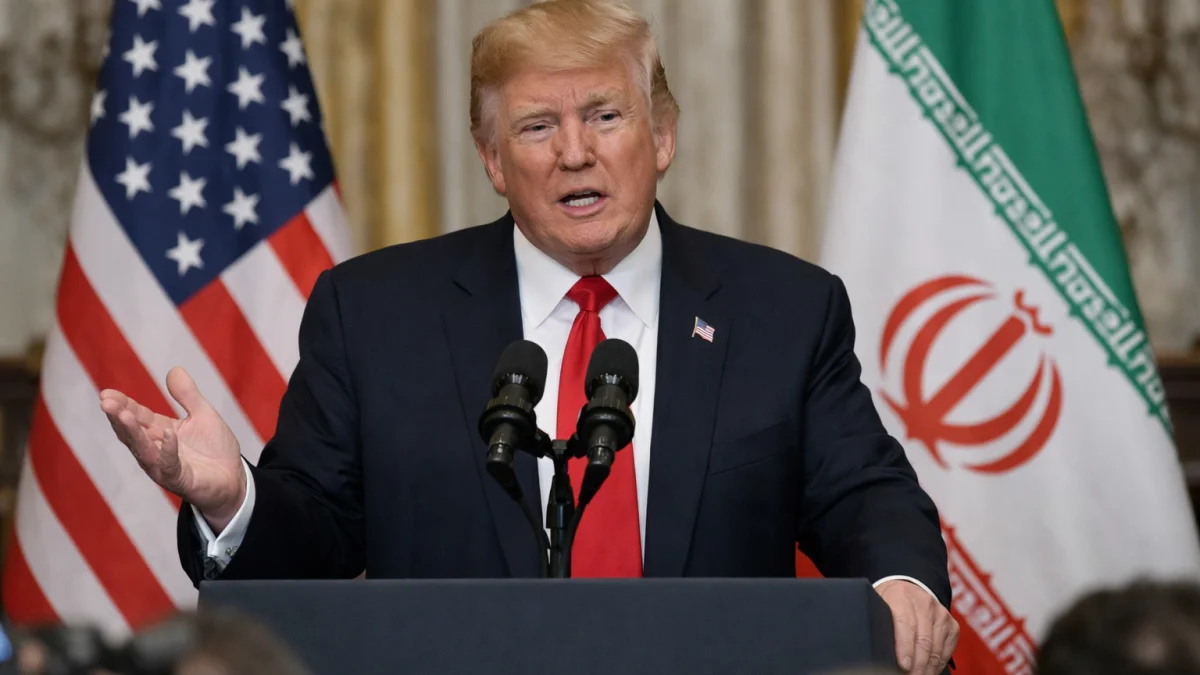


WASHINGTON — U.S. President Donald Trump on Wednesday defended a recently announced framework agreement with Iran, rejecting criticism from political opponents, some members of his own party and foreign observers who have questioned whether the accord adequately addresses Tehran’s nuclear activities and regional security concerns.
Speaking on the sidelines of the Group of Seven summit in France and in remarks reported by U.S. media, Trump said the agreement’s central objective was to prevent Iran from obtaining a nuclear weapon while creating a path toward a broader settlement following months of conflict and negotiations. Reuters reported that Trump said the deal states “loud and clear” that Iran will not be permitted to develop a nuclear weapon.


The agreement, announced after negotiations involving U.S., Iranian and regional officials, establishes a 60-day period for further talks and includes provisions aimed at maintaining a ceasefire and reopening commercial shipping through the Strait of Hormuz, according to documents released by U.S. officials. Details of a final settlement, including long-term arrangements concerning Iran’s nuclear program and sanctions, remain under negotiation.
Criticism has emerged from multiple directions. Some Republican lawmakers and foreign-policy advocates have argued that the framework leaves unresolved questions about Iran’s nuclear capabilities and enforcement mechanisms. Reuters reported earlier this week that several Iran hawks within the Republican Party described the accord as insufficient and sought additional details from the administration.
Iranian officials have also expressed reservations. Tehran has, at various stages of the negotiations, disputed U.S. characterizations of the talks and cautioned that key issues remain unresolved. Earlier this month, Iranian officials said no final decision had been reached despite Trump’s assertions that an agreement was close.
Trump dismissed reports suggesting that the United States had made major undisclosed concessions. “The only thing that really matters to me is Iran will never have a nuclear weapon,” he told reporters, according to Reuters.
International reactions have been mixed. Leaders of the G7 endorsed efforts to sustain the diplomatic process, while calling for further discussions on regional security and missile-related issues, according to reports from the summit.
The framework follows months of heightened tensions and military confrontation involving the United States, Iran and regional actors. According to Reuters, the interim arrangement is intended to halt hostilities and create conditions for negotiations toward a more comprehensive agreement.
As of Wednesday, U.S. and Iranian officials were preparing for additional talks in Switzerland. Both sides have indicated that significant issues remain under discussion, and the outcome of negotiations beyond the current 60-day period remains unclear.