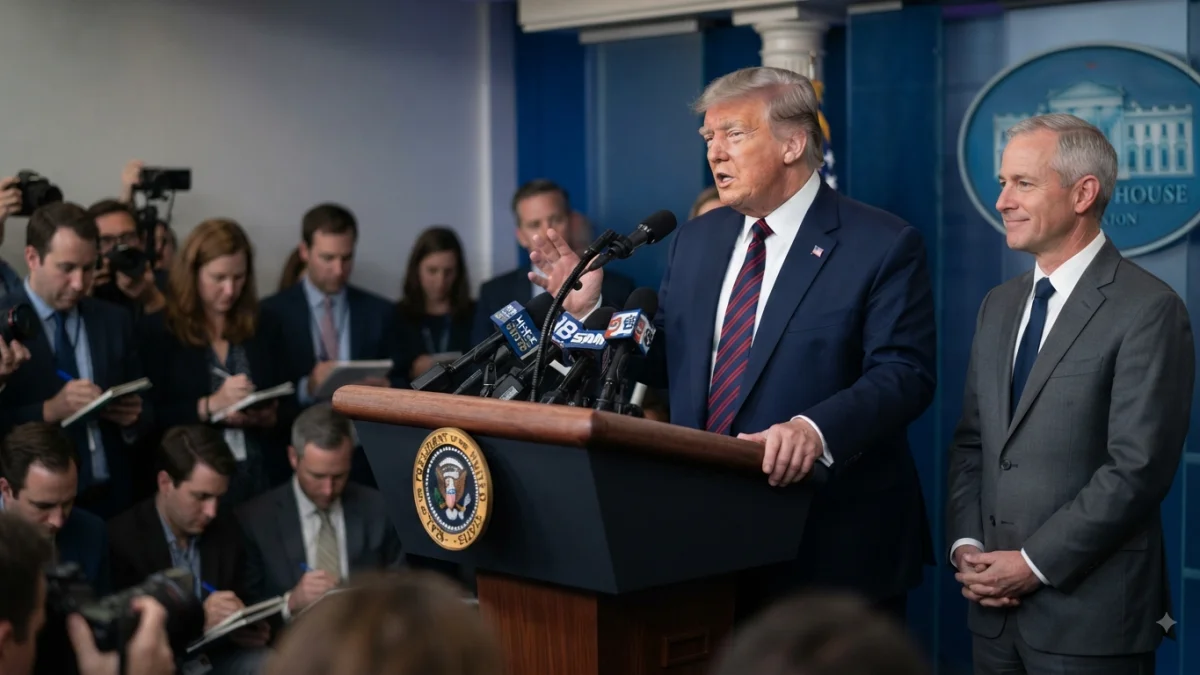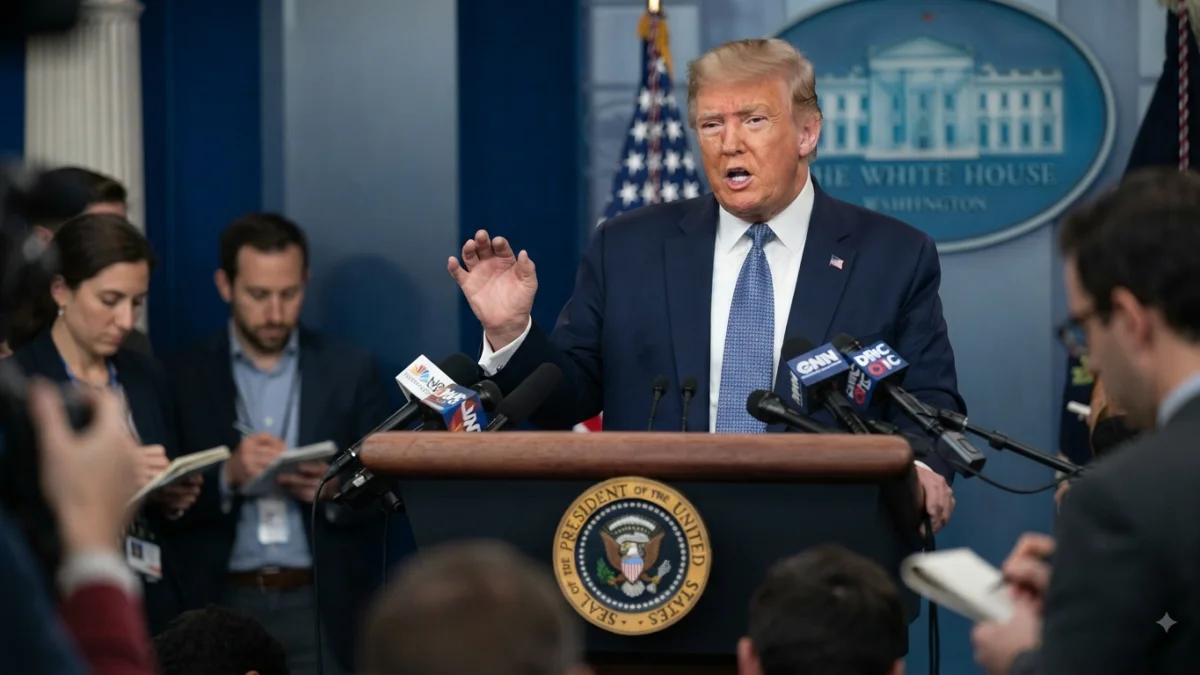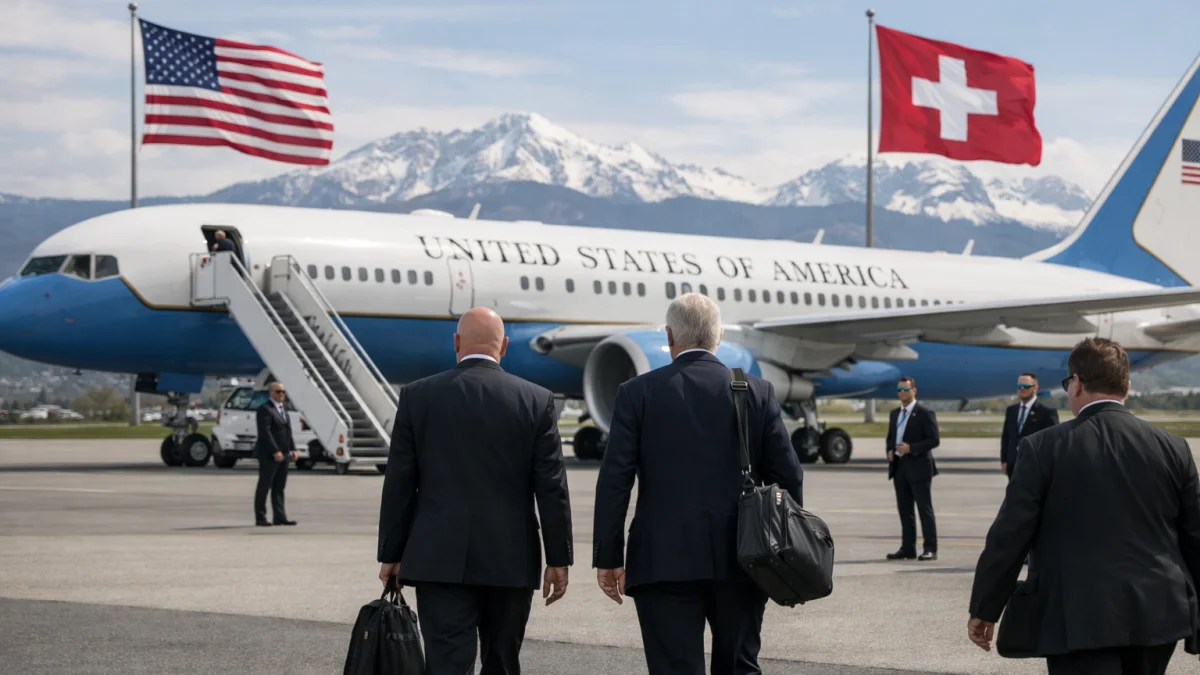


WASHINGTON — U.S. envoys departed for Switzerland on Saturday for planned peace talks with Iran, as efforts continue to implement a recent memorandum of understanding aimed at stabilizing the region.
Special Envoy Steve Witkoff and Jared Kushner, son-in-law of President Donald Trump, have arrived in Switzerland for technical discussions, U.S. officials said. The talks, expected to include broader participation on Sunday, follow the signing of a framework agreement earlier in the week.


Iranian Foreign Minister Abbas Araghchi traveled to Switzerland on Saturday to join the negotiations, according to Iranian state media. Vice President JD Vance indicated he would travel soon to participate.
The memorandum of understanding, reached after months of conflict, includes provisions for reopening the Strait of Hormuz to commercial traffic and addressing other issues. The agreement sets a 60-day period for further discussions, including on Iran's nuclear program.
"I expect that I will leave sometime in the next couple of days, but you know it’s always a delicate coordination dance and the diplomatic protocols," Vance told Fox News.
The developments come amid tensions following recent Israeli strikes in Lebanon, which Iran cited as violations of the truce. Iranian officials announced the closure of the Strait of Hormuz on Saturday in response, though U.S. officials stated that traffic continues to flow.
Earlier this week, some tanker traffic had resumed in the strait after the memorandum's signing, according to shipping reports. The waterway is a critical route for global oil supplies.
Pakistani mediators and other parties have been involved in facilitating the process. The Swiss venue has hosted previous rounds of indirect talks between the two sides.
U.S. officials have emphasized the goal of a lasting agreement, while Iranian statements have stressed the need for full implementation of the initial framework, including lifting aspects of the U.S. blockade.
As of Saturday, delegations from both sides were positioning for the talks, with no immediate confirmation of the exact start time or full agenda details. Negotiations are expected to address remaining differences within the 60-day timeframe.