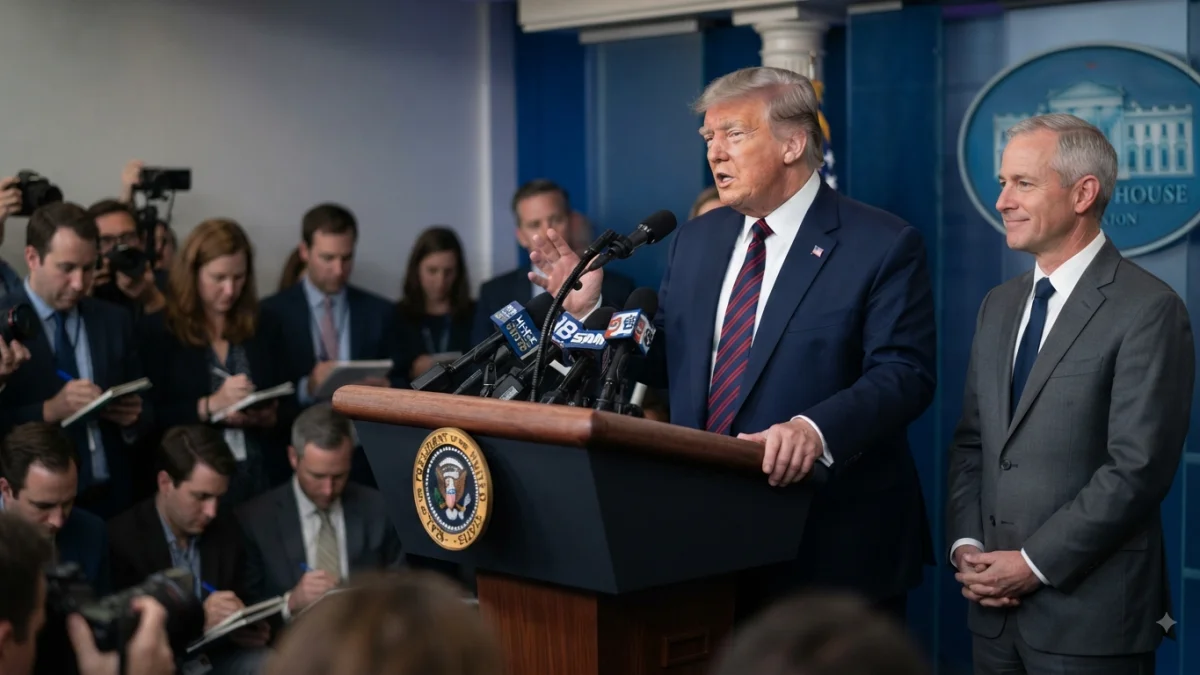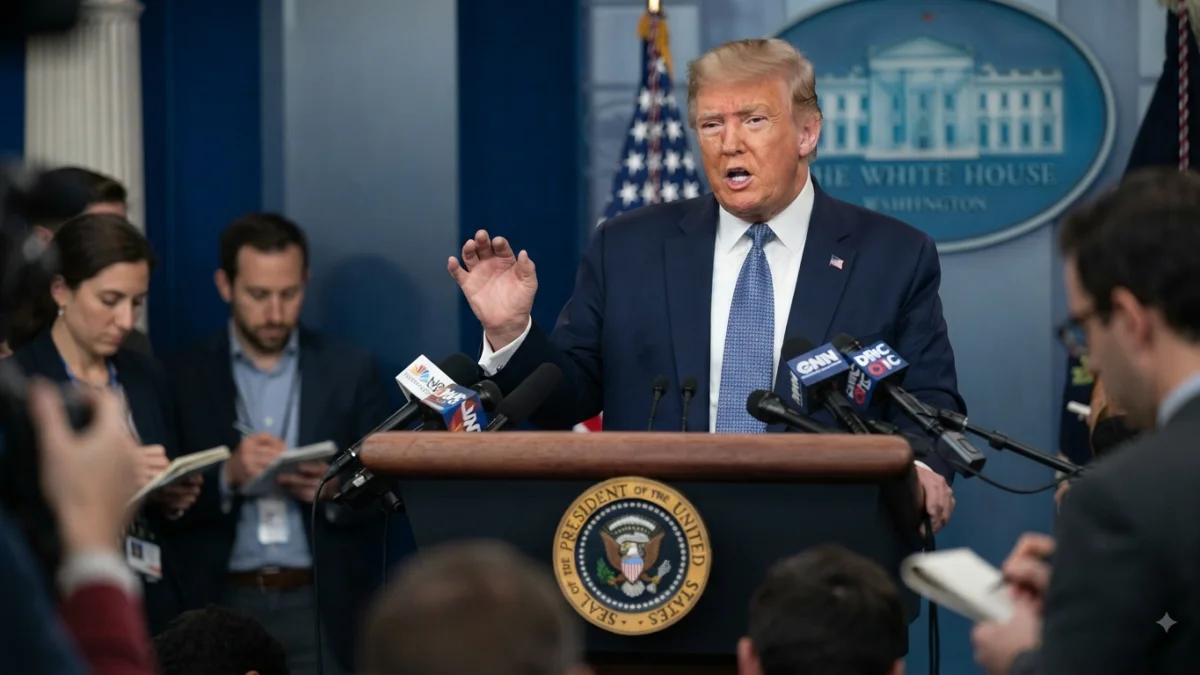


WASHINGTON — President Donald Trump’s push for a sharp increase in U.S. military spending is encountering resistance in Congress, where lawmakers from both parties have questioned the size, funding structure and priorities of the administration’s defense budget proposals for fiscal year 2027.
Trump’s administration has proposed raising defense spending to about $1.5 trillion, a substantial increase from previous levels, while seeking reductions in a range of non-defense programs, according to White House budget documents released earlier this year. The proposal has been promoted by the administration as necessary to strengthen military readiness, expand shipbuilding, enhance missile defense programs and support operations linked to ongoing security commitments abroad.


However, congressional scrutiny has intensified in recent weeks. Several Republican lawmakers, alongside Democrats, have raised concerns about the scale of the increase and the use of reconciliation and supplemental funding mechanisms to finance portions of the defense agenda. Some legislators have argued that major military expenditures should proceed through the regular appropriations process rather than extraordinary budget measures.
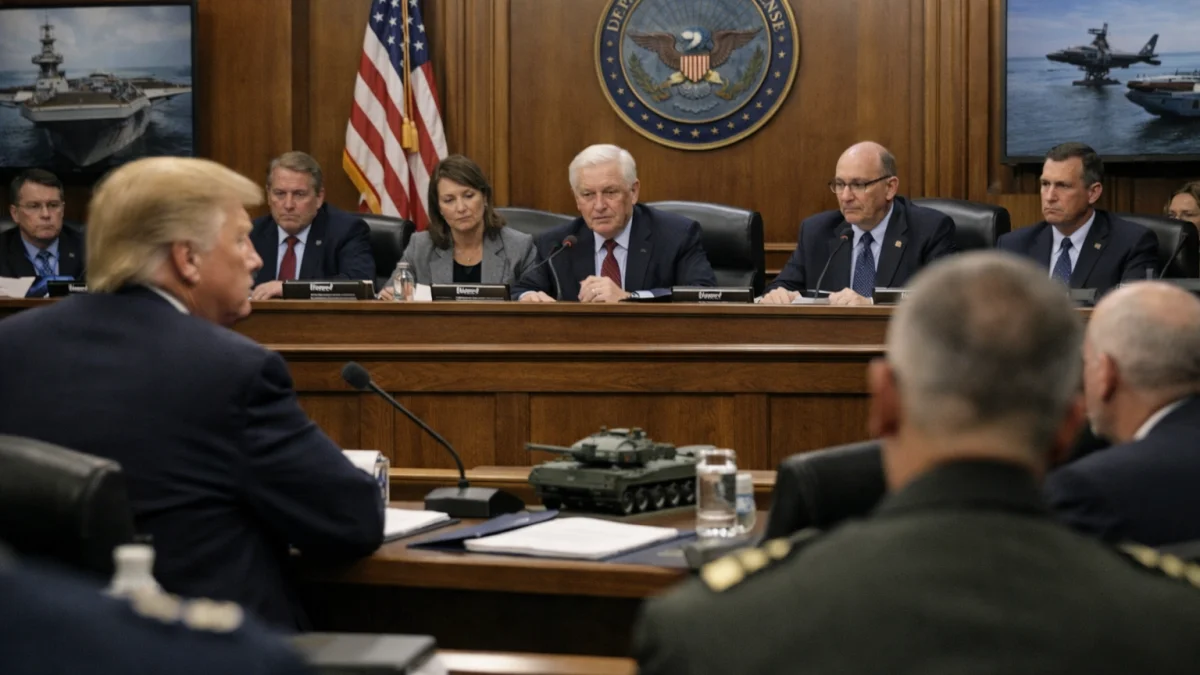
Defense Secretary Pete Hegseth has defended the proposal during appearances on Capitol Hill, saying the administration’s request reflects current security requirements and long-term modernization goals. Administration officials have also pointed to investments in missile defense, weapons procurement and military infrastructure as central elements of the plan.
Congress has already demonstrated a willingness to diverge from administration requests in defense budgeting. According to analyses by the Congressional Research Service, lawmakers modified several elements of the fiscal 2026 defense request and debated the role of additional mandatory funding provided through budget reconciliation legislation.
Opposition has come from multiple directions. Democrats have criticized the proposal’s reductions in domestic spending programs, while some Republicans have questioned whether the proposed increase is fiscally sustainable amid concerns about federal deficits and debt levels. Other lawmakers have expressed reservations about linking defense priorities to broader political or budget negotiations.
“The stability and longevity of military budgeting” should be preserved through established congressional procedures, according to comments from lawmakers cited in recent congressional debates over defense funding proposals.
The administration has continued to press Congress for additional defense resources. On Thursday, reports indicated the Pentagon was seeking further funding to cover costs associated with military operations and other obligations, a request expected to become part of a broader supplemental spending package.
As of Friday, congressional committees were continuing to review the administration’s proposals. Final funding levels and the fate of several major defense initiatives remain subject to negotiations between the White House, the House of Representatives and the Senate.