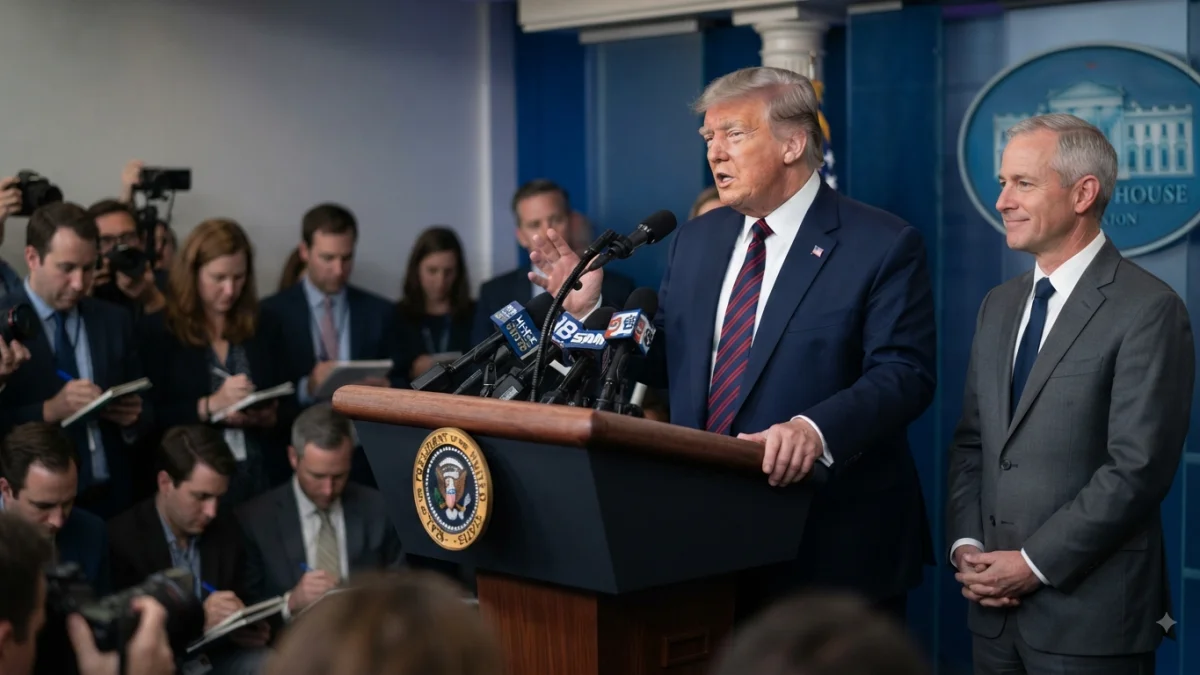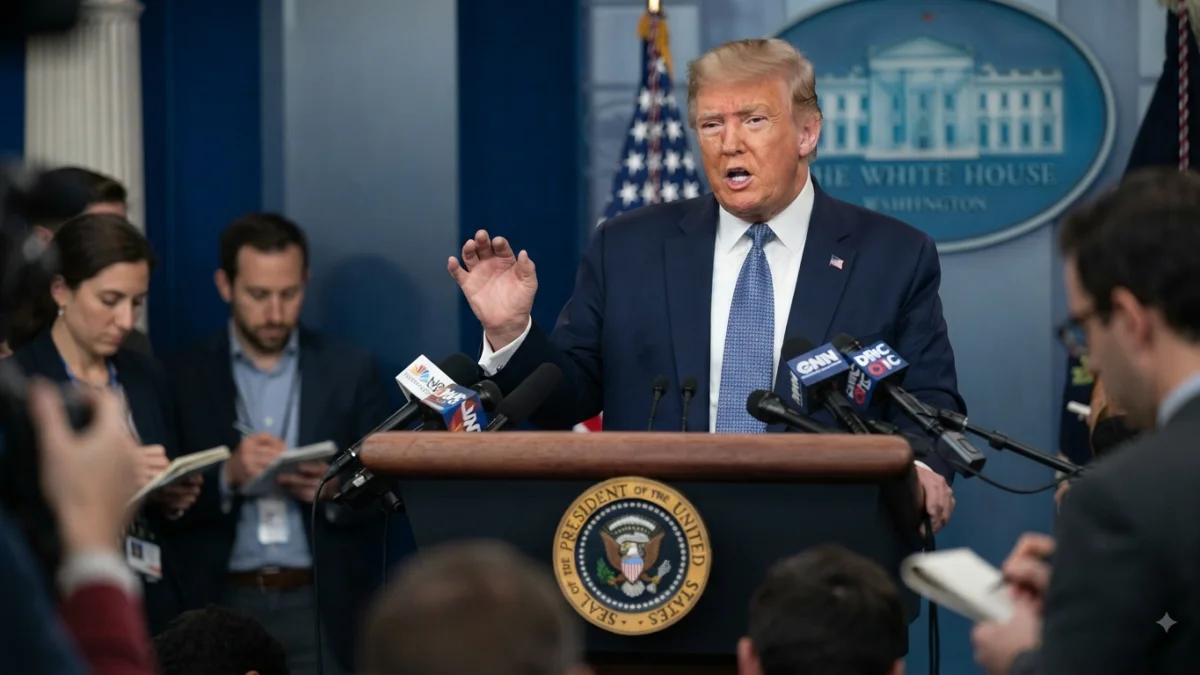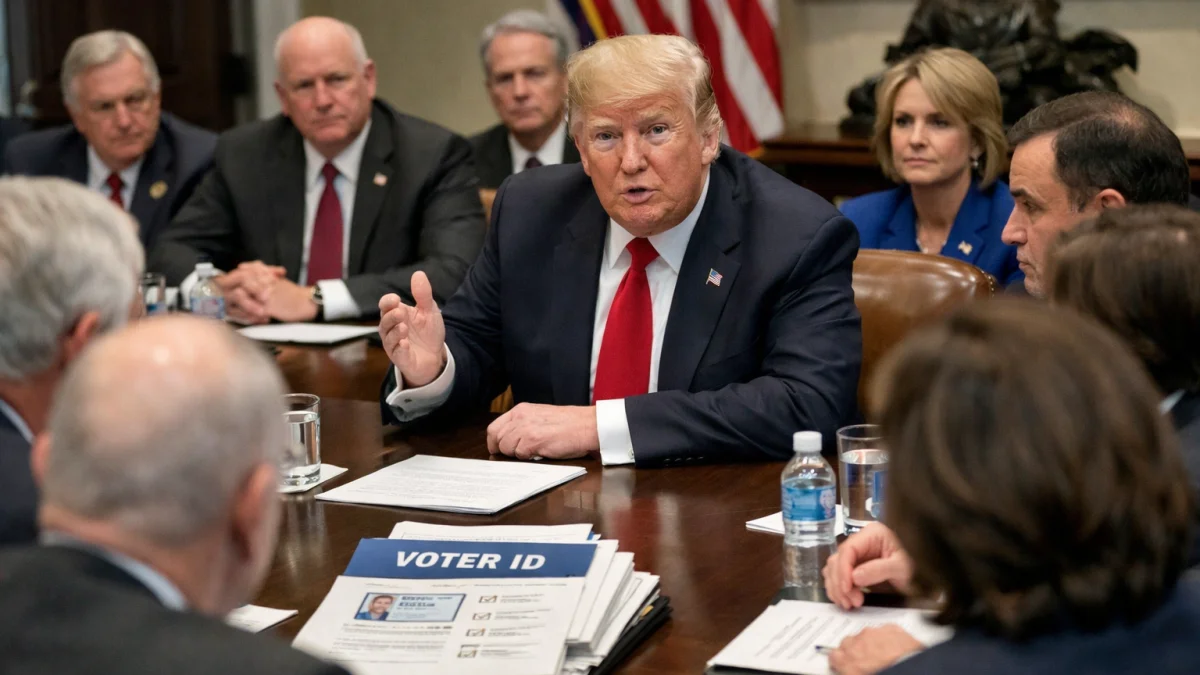


WASHINGTON — President Donald Trump is pressing congressional Republicans to advance a voting bill that would impose new federal voter identification and citizenship-verification requirements, a demand that has become a focal point in negotiations over other legislation on Capitol Hill this week.
Trump has urged lawmakers to pass the SAVE America Act, legislation backed by many Republicans that would require proof of U.S. citizenship to register to vote in federal elections and establish national voter identification requirements. The measure has faced opposition from Democrats and has struggled to secure sufficient support in the Senate.


The issue gained renewed attention this month as Trump linked his support for extending Section 702 of the Foreign Intelligence Surveillance Act, a key national-security surveillance authority, to congressional action on the voting bill. According to Reuters, Trump opposed moving forward with the surveillance legislation unless it included his voter-related proposal. Senate Republicans and Democrats have expressed concerns about tying the two issues together.
“We need election security,” Trump said in public statements urging lawmakers to support the measure. The White House has also reiterated the administration’s backing for the legislation.
Supporters of the bill argue that stricter voting requirements would strengthen confidence in elections and help ensure that only eligible citizens participate in federal voting. Republican leaders have repeatedly cited election integrity as a central objective of the proposal.
Democrats and voting-rights organizations have opposed the measure, arguing that new documentation requirements could make registration more difficult for some eligible voters. Critics have said the bill could affect voters who do not have immediate access to passports, birth certificates or other citizenship documents.
The legislation has been debated in Congress for months. Earlier Republican efforts to advance the measure in the Senate were unsuccessful, and several Republican senators have indicated they do not support changing Senate rules to ease its passage. Senate Majority Leader John Thune has acknowledged support for the policy among many Republicans while also noting procedural obstacles in the chamber.
The latest dispute has also affected other congressional business. Senate committees delayed consideration of some intelligence-related matters this week as negotiations continued over the surveillance legislation and related issues, according to congressional officials.
As of Friday, the SAVE America Act had not advanced through the Senate, and negotiations between congressional leaders and the White House were continuing. Congressional leaders have not announced a timetable for a final vote, and details of any potential compromise remain unclear.