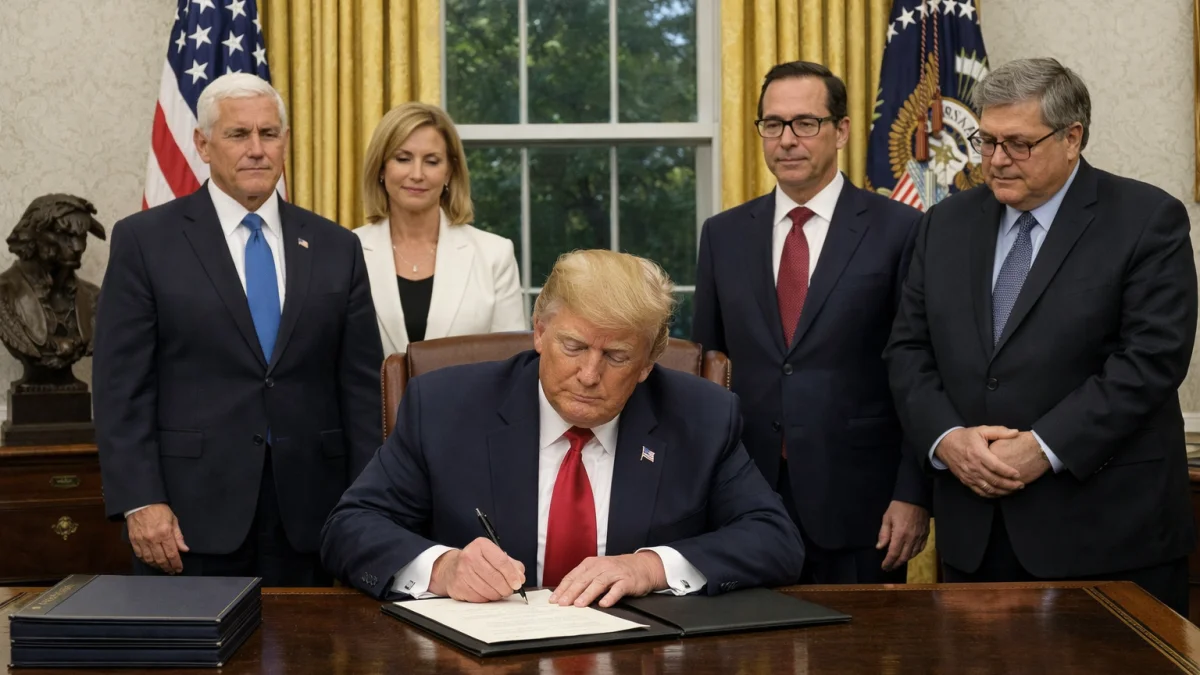


WASHINGTON — President Donald Trump signed two executive orders on quantum technologies during a White House ceremony on Monday, advancing U.S. efforts in quantum computing, sensing and cybersecurity.
The orders, titled "Ushering in the Next Frontier of Quantum Innovation" and "Securing the Nation Against Advanced Cryptographic Attacks," were signed in the Oval Office. They aim to accelerate development of quantum capabilities while protecting federal systems from potential threats posed by quantum computing advances.


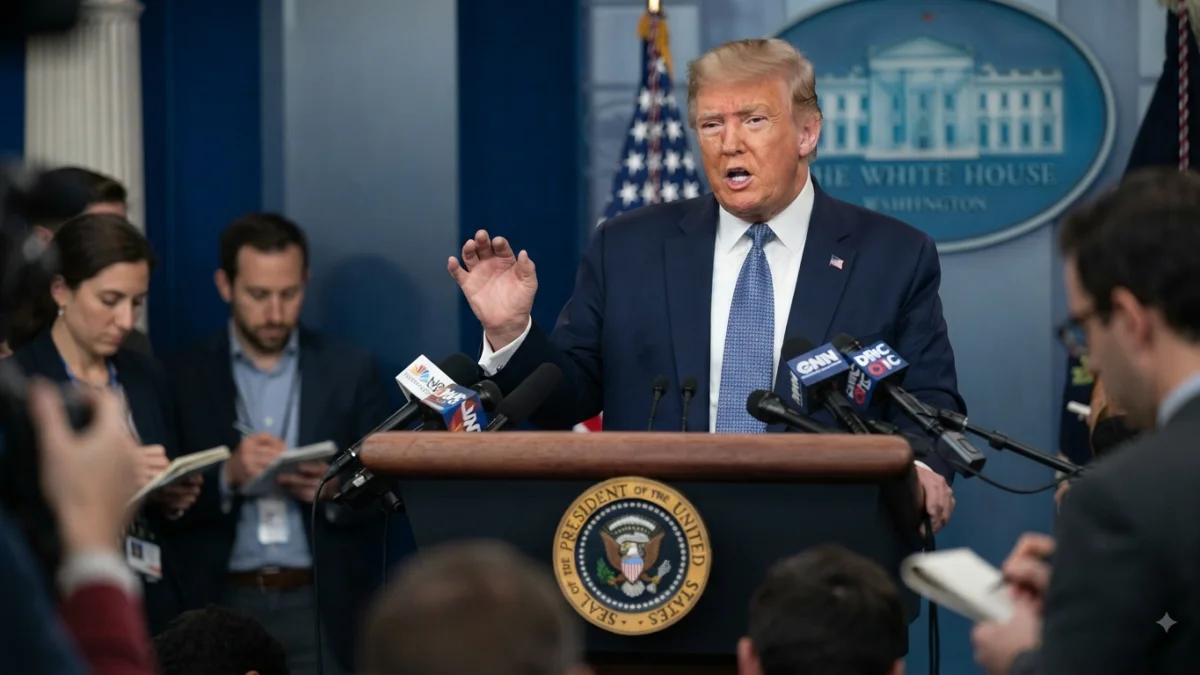
In remarks at the ceremony, Trump highlighted the strategic importance of the technology. “The first executive order launches a national effort to produce a quantum computer capable of performing important scientific calculations and to develop quantum-enabled sensors and networks in the next five years,” he said. “The second order I'm signing directs federal agencies to transition to what is called quantum cryptography.”
The first order directs a whole-of-government approach to quantum information science and technology (QIST). It establishes the Quantum Computer for Application Development and Discovery Science effort, coordinated by the Assistant to the President for Science and Technology, with involvement from the Departments of Energy, Commerce and Defense, among others. It calls for development of a quantum computer intended to advance scientific discovery, with goals including delivery to a Department of Energy facility and exploration of private-sector partnerships. It also prioritizes quantum sensors for potential deployment by 2028 and directs plans for quantum networking.
Additional provisions focus on strengthening domestic supply chains, workforce development through recruitment strategies and training institutes, and international engagement with allies. The order builds on the 2018 National Quantum Initiative Act, which Trump signed during his first term.
The second order addresses risks from large-scale quantum computers that could break current encryption methods. It directs federal agencies to transition high-value assets and high-impact systems to post-quantum cryptography standards approved by the National Institute of Standards and Technology, with timelines targeting key establishment by the end of 2030 and digital signatures by the end of 2031. It assigns coordination roles to the Office of Management and Budget and the National Cyber Director, with technical guidance from NIST, the National Security Agency and the Cybersecurity and Infrastructure Security Agency.
The measure also calls for assistance to critical infrastructure owners and operators and updates to federal procurement rules. Officials have described the transition as essential to counter "harvest now, decrypt later" tactics by adversaries.
White House officials said the actions position the United States to maintain leadership in the field amid international competition, particularly with China. Details on implementation timelines and funding remain subject to further agency action and appropriations.
The signing occurred as part of broader administration priorities on technological innovation and national security. No immediate reactions from congressional Democrats or specific industry groups were detailed in official releases following the event. The executive orders are now in effect.