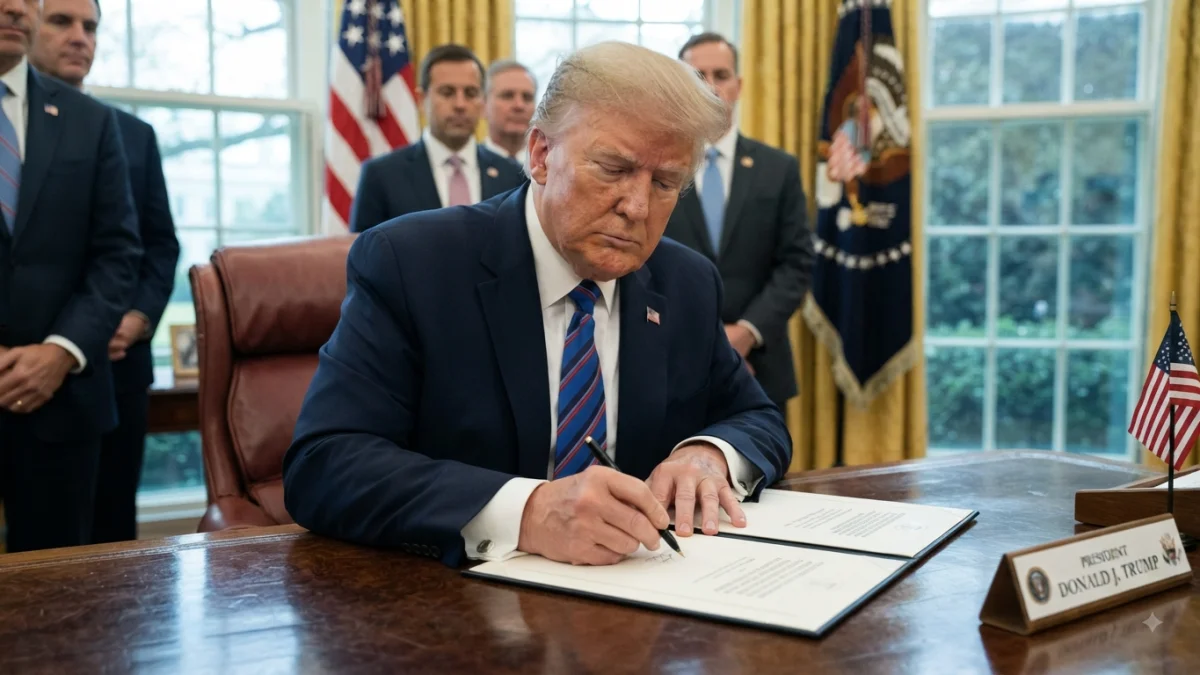


WASHINGTON — U.S. President Donald Trump signed an executive order on Monday seeking major changes to the nation’s childhood vaccination recommendations, including reducing the number of vaccines recommended for all children and encouraging vaccines to be administered at separate medical visits.
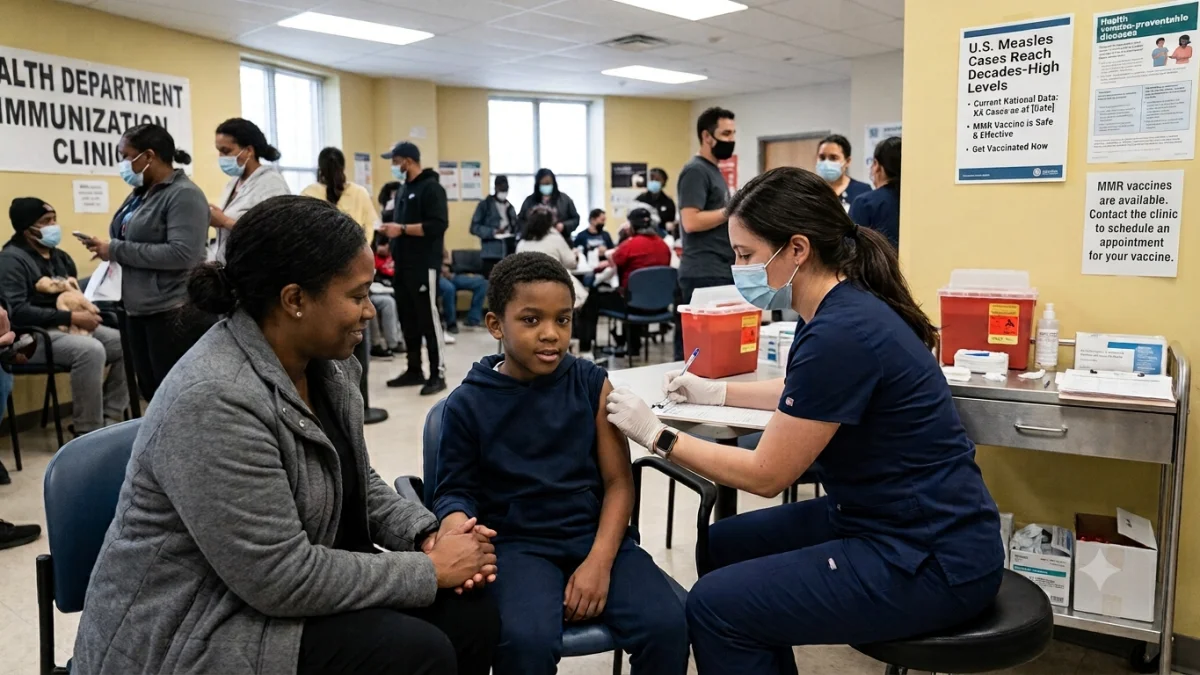
The order calls for the measles, mumps and rubella (MMR) vaccine to be divided into three separate shots and directs the Department of Health and Human Services to develop a plan for making single-disease versions available in the United States. Separate measles, mumps and rubella vaccines are not currently available in the country.


The administration has described the changes as part of an effort to give parents and doctors greater flexibility. The order follows an earlier Trump directive requiring federal health agencies to review the childhood vaccination schedule against practices in other developed countries.
The latest order reaffirms changes previously pursued by Health and Human Services Secretary Robert F. Kennedy Jr., including a reduction in the number of diseases covered by routine recommendations. Those earlier changes were halted by a federal judge and remain subject to litigation, according to Reuters.
Trump also linked his concerns about vaccination practices to autism during remarks surrounding the signing. Scientific consensus and decades of research have found no causal link between vaccines and autism, according to medical experts cited by the Associated Press.
Medical groups criticized the order. Dr. Andrew Racine, president of the American Academy of Pediatrics, said the announcement could create uncertainty around established vaccination guidance. Dr. Aaron Milstone of the academy’s Committee on Infectious Diseases said conflicting recommendations could lead some parents to delay vaccinations.
The order also directs the Justice Department to challenge some state vaccination requirements on grounds including parental authority, religious freedom, disability accommodations and equal protection. States retain authority over school-entry vaccination mandates.
Existing coverage through the federal Vaccines for Children program is expected to continue, a senior administration official said, while federal agencies work on implementing the administration’s revised recommendations.