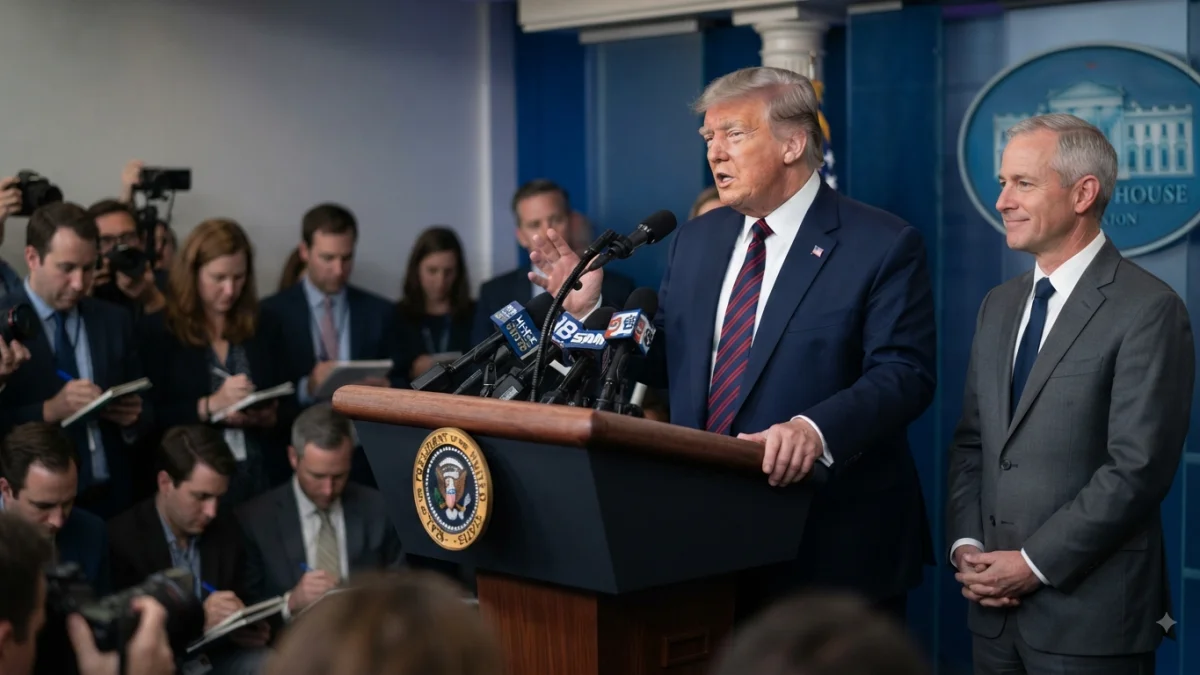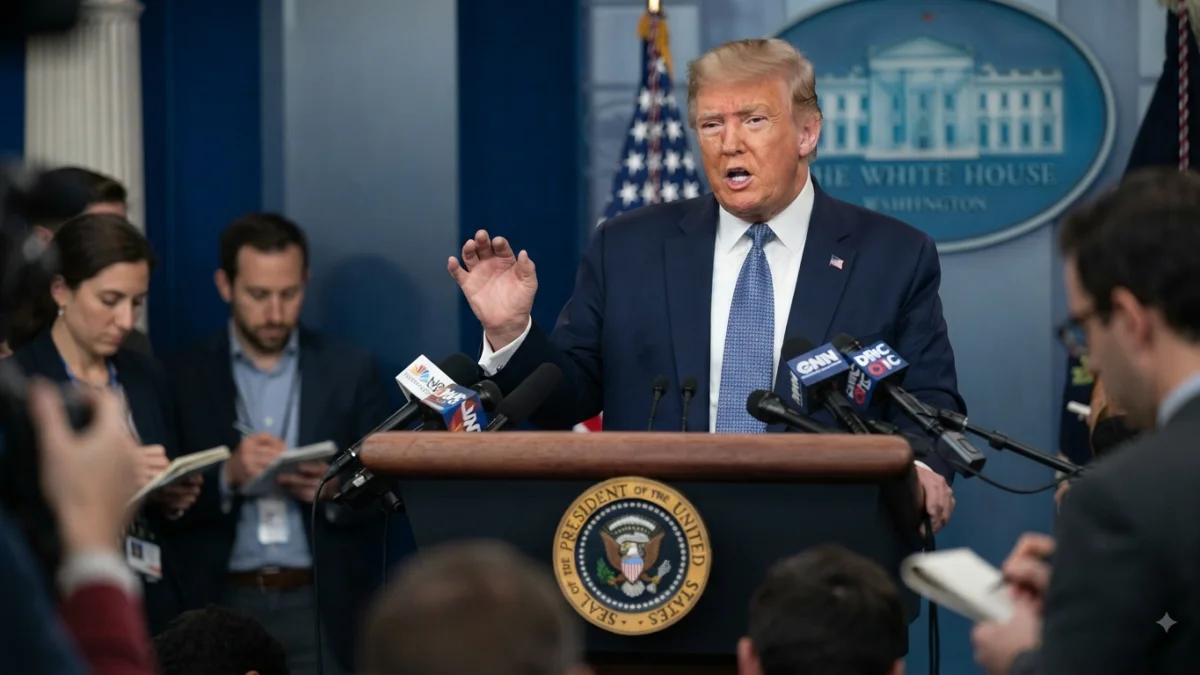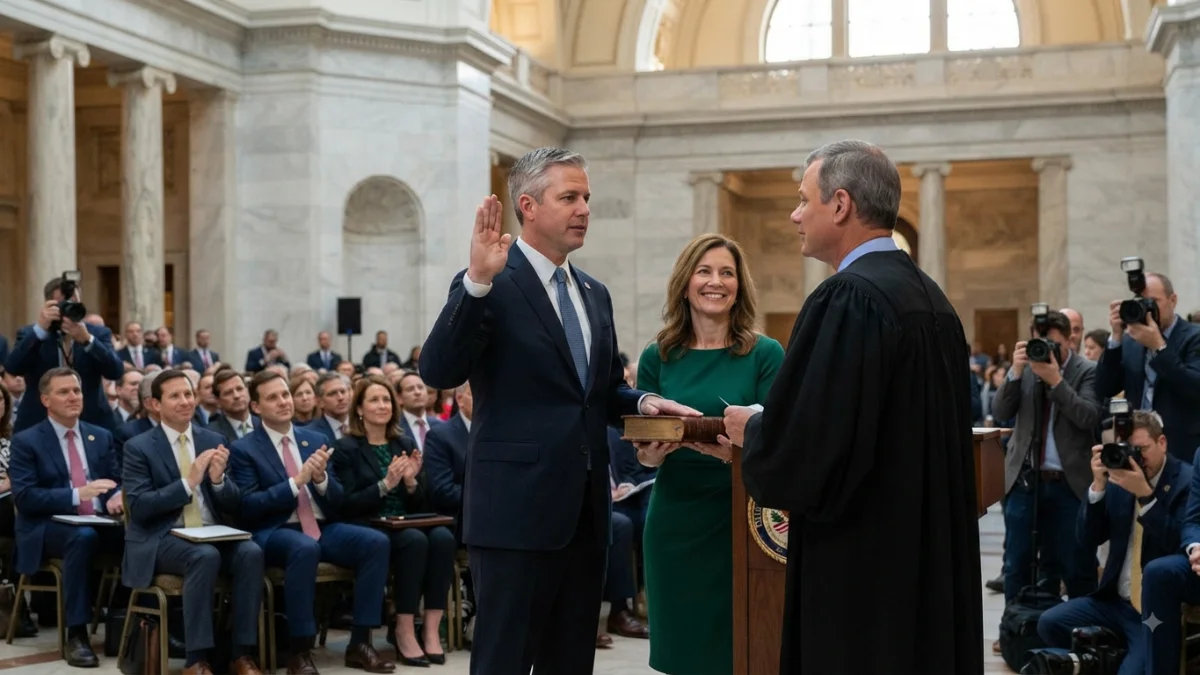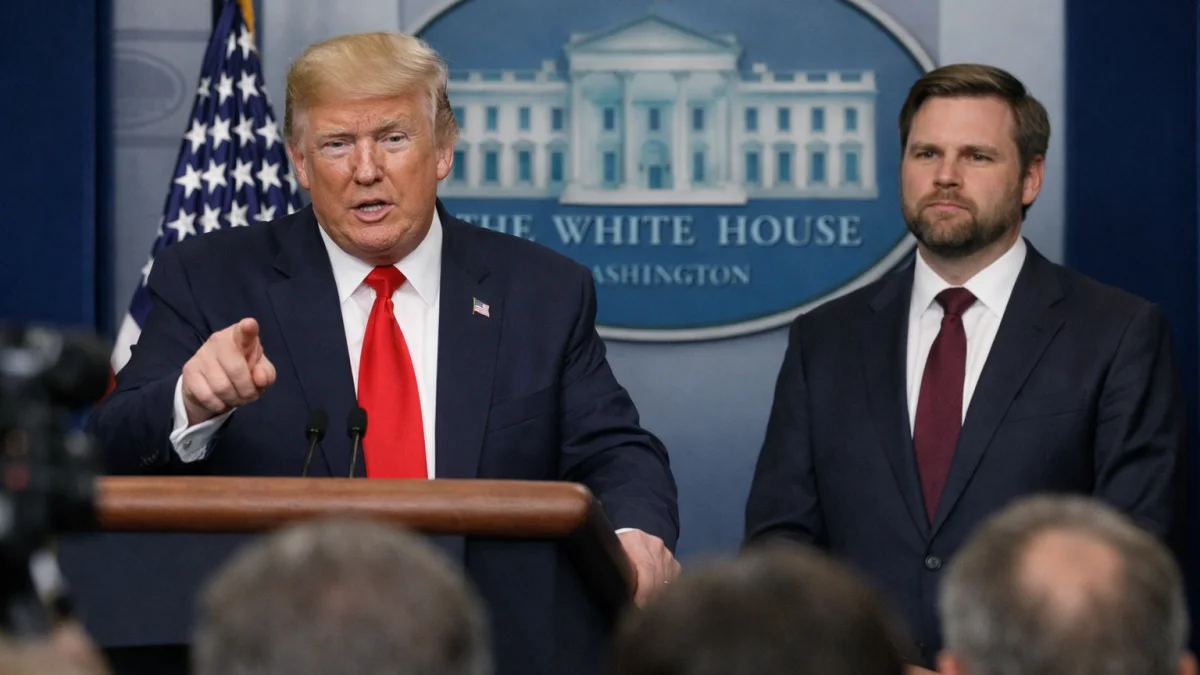


BUERGENSTOCK, Switzerland — U.S. President Donald Trump threatened further military action against Iran while Vice President JD Vance led negotiations with Iranian officials in Switzerland on Monday, as diplomats sought to preserve a fragile agreement aimed at reducing regional tensions and maintaining navigation through the Strait of Hormuz.
The talks, hosted at the Bürgenstock resort and mediated by Qatar and Pakistan, marked the first high-level meetings since the United States and Iran reached a memorandum of understanding last week intended to extend a ceasefire framework and establish a path toward broader negotiations. The discussions were overshadowed by Trump's warnings that military action could resume if Iran failed to meet U.S. expectations.


“Iran must immediately stop their highly paid proxies in Lebanon from causing trouble. If they don't, we'll hit Iran very hard again,” Trump wrote on social media on Sunday, according to statements reported by multiple news organizations.
Iranian officials responded by saying their armed forces were prepared to react to threats. Tehran also argued that continued fighting involving Iran-backed Hezbollah in Lebanon represented a breach of understandings linked to the recent agreement. Iranian authorities announced over the weekend that they had again restricted maritime traffic through the Strait of Hormuz, although U.S. officials disputed claims that shipping had been fully halted.
Despite the public exchange, negotiators reported progress in Switzerland. Vance said the talks had established a foundation for further discussions and announced that Iran had agreed to permit international nuclear inspectors to enter the country as part of a broader diplomatic process. He also said the two sides were working on mechanisms to keep the Strait of Hormuz open and address regional security concerns.
Mediators from Qatar and Pakistan said in a joint statement that the parties had made “encouraging progress” and agreed on a roadmap toward a possible final agreement within 60 days. Technical-level discussions are expected to continue throughout the week.
The negotiations come amid continuing tensions in Lebanon, where hostilities involving Israel and Hezbollah have complicated efforts to stabilize the region. U.S. and Iranian officials have disagreed over responsibility for recent developments, while both sides have maintained public support for diplomacy.
As of Monday, the talks remained underway in Switzerland. Mediators said discussions on nuclear inspections, sanctions issues and maritime security would continue, while both Washington and Tehran indicated that further negotiations were planned in the coming days.