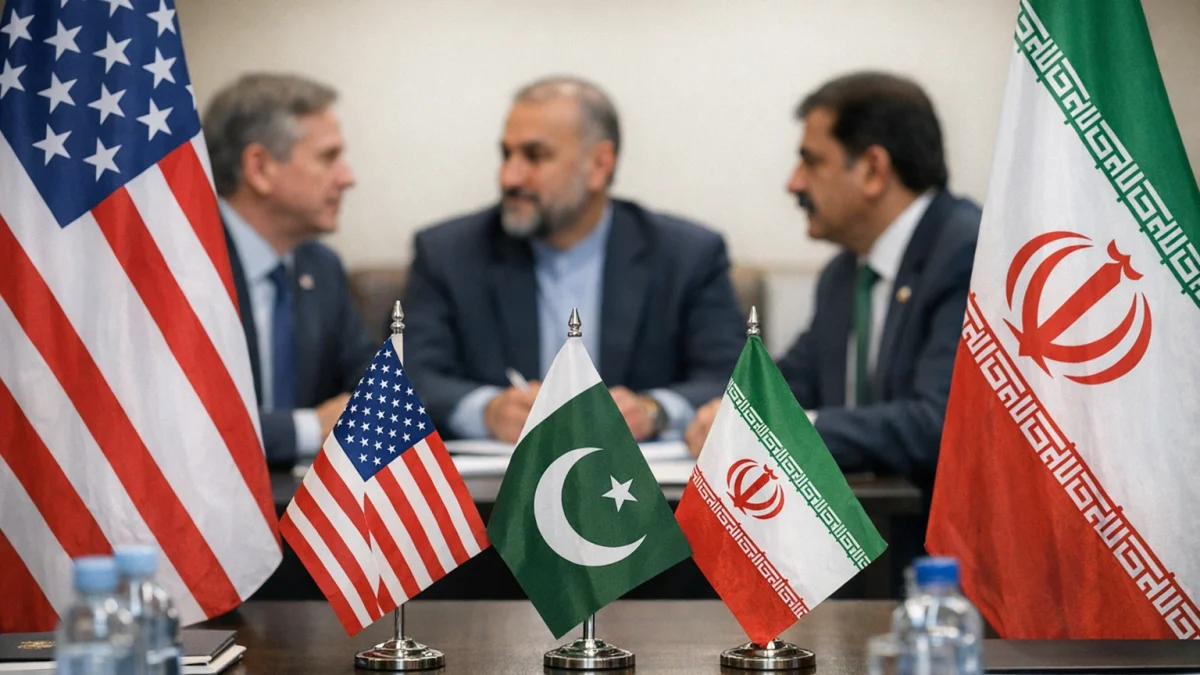


ISLAMABAD — Officials from the United States and Iran are considering an extension of a fragile two-week ceasefire amid ongoing diplomatic efforts led by Pakistan to arrange further talks, Pakistani and U.S. officials said on Thursday.
The ceasefire, agreed on April 8, is scheduled to expire next week. Pakistani mediators have pushed for both sides to extend the truce to allow time for additional negotiations following marathon talks in Islamabad that ended without a deal earlier this month.


The initial ceasefire was brokered with Pakistani assistance after weeks of conflict that began with U.S. and Israeli airstrikes on Iranian targets on Feb. 28. The truce aimed to halt direct hostilities between the U.S. and Iran while broader regional tensions, including issues involving Lebanon and navigation in the Strait of Hormuz, persisted.
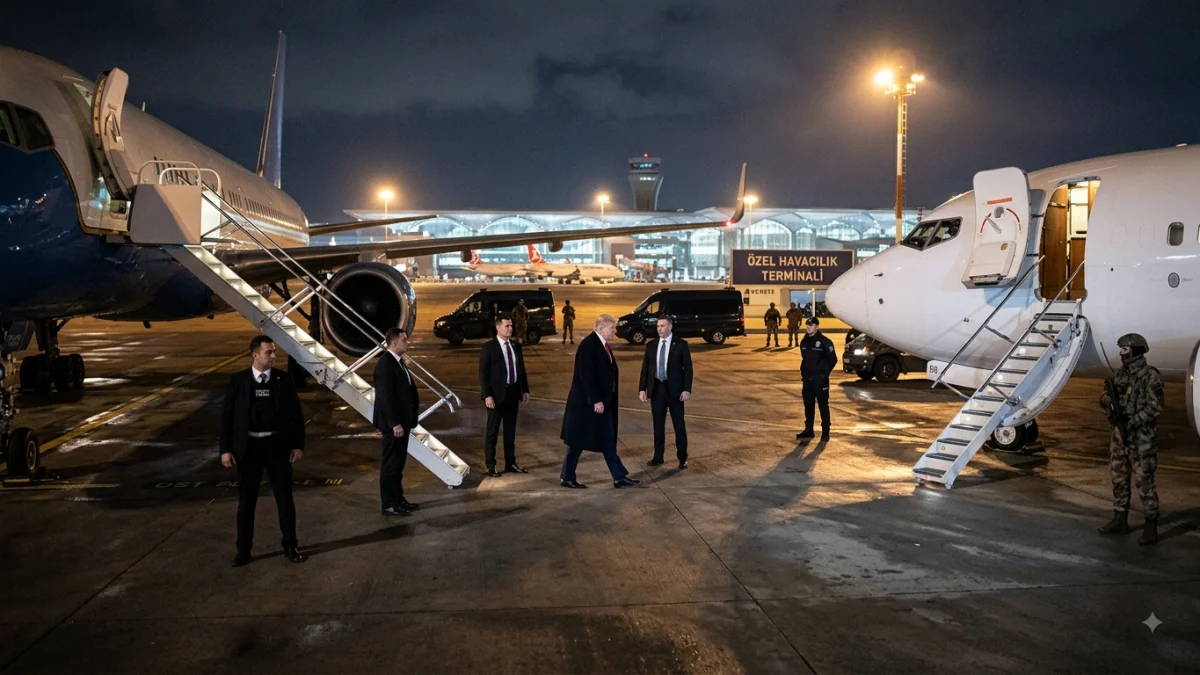
High-level face-to-face negotiations between U.S. and Iranian delegations took place in Islamabad over the weekend of April 11-12. The talks, which lasted more than 20 hours and were the first direct high-level meetings between the two sides in more than a decade, concluded without agreement, U.S. Vice President JD Vance said. Iran’s side indicated it had not anticipated a full deal in the initial session.
Pakistan has continued mediation since then. On Wednesday, Pakistan’s Army Chief Field Marshal Asim Munir led a delegation to Tehran for talks with Iranian officials, carrying messages aimed at facilitating a potential second round of U.S.-Iran negotiations. Pakistani Prime Minister Shehbaz Sharif has also engaged regional leaders, including in Saudi Arabia and Qatar, as part of efforts to support de-escalation.
A Pakistani official described the remaining days before the ceasefire’s expiry as a narrow window for progress, with Islamabad potentially hosting another round of talks. White House officials have expressed optimism about prospects for continued engagement, while Iranian officials have stressed the need for the U.S. to demonstrate seriousness in commitments.
“It is imperative that the parties continue to uphold their commitment to ceasefire,” Pakistan’s Foreign Minister Ishaq Dar said in a statement following the initial Islamabad talks.
Details of any potential extension or the format of future discussions remain unclear. U.S. officials have not confirmed a formal agreement to extend the truce, and Iranian spokesmen have rejected claims that an extension has already been settled. Both sides have continued indirect contacts through Pakistani channels.
The conflict has strained regional stability, with a U.S. naval blockade of Iranian ports adding pressure during the ceasefire period. No immediate violations of the truce were reported on Thursday, according to officials familiar with the situation.
Pakistani authorities have positioned their country as a neutral facilitator, emphasizing collective diplomatic efforts involving other regional actors to promote stability.
As of Thursday evening, no new talks had been scheduled, and the status of the ceasefire beyond its current term was under discussion.