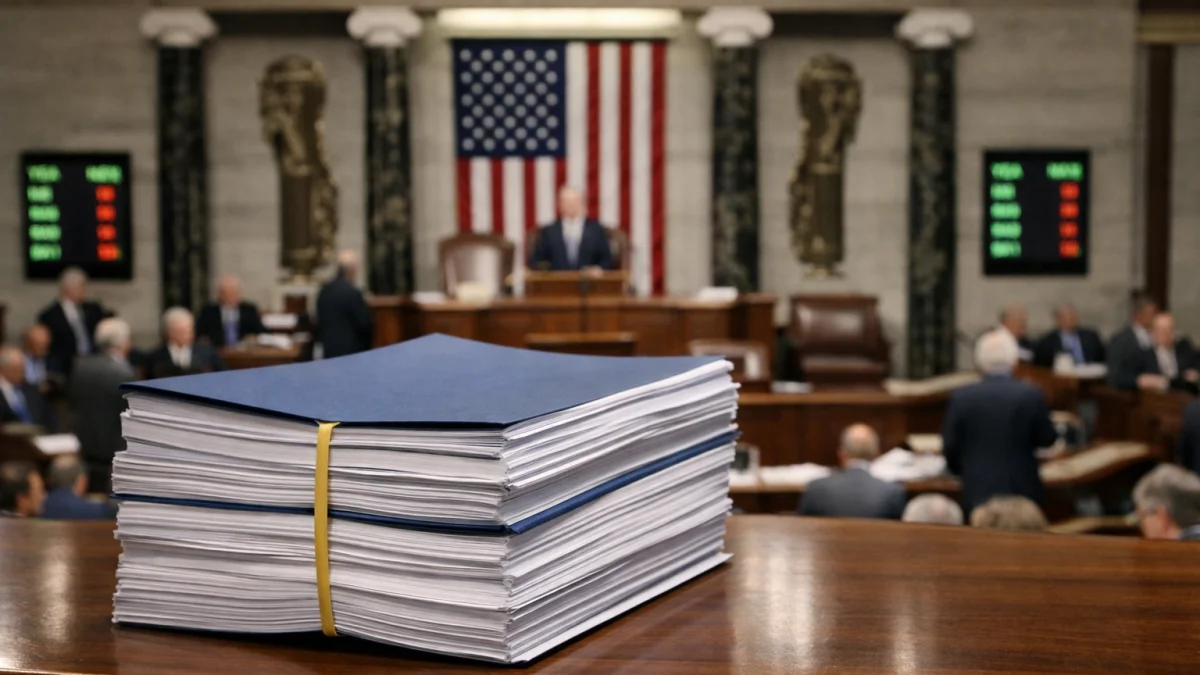


WASHINGTON — U.S. Congress passed an emergency spending bill on Tuesday to avert a potential government funding lapse as a fiscal deadline approached, according to congressional records and leadership statements.
The measure, which provides additional appropriations for priority federal programs, cleared both chambers after intense negotiations between Republican and Democratic lawmakers. President Donald Trump was expected to sign the legislation into law shortly, congressional aides said.


The bill addresses urgent funding needs amid ongoing fiscal pressures for the remainder of fiscal year 2026, which ends Sept. 30. It follows earlier appropriations packages enacted earlier in the year, including measures to resolve partial government shutdowns that occurred in January-February and February-April.
Details on the exact amount of new spending remained limited immediately after passage. The legislation includes provisions for disaster relief, national security priorities and other emergency-designated items, sources familiar with the talks said. It comes as lawmakers work to complete remaining aspects of the FY2026 appropriations process, which has been marked by repeated short-term extensions and disputes, particularly over Department of Homeland Security funding.
House Speaker Mike Johnson, R-La., described the bill as a necessary step to maintain government operations. “This legislation ensures critical funding flows without interruption,” he said in a statement after the House vote.
Democratic leaders emphasized the need for bipartisan compromise to protect essential services. Senate Minority Leader Chuck Schumer, D-N.Y., stated that the package prevents disruptions for American families and federal workers, while calling for more stable long-term budgeting processes.
The fiscal deadline stemmed from the expiration of prior continuing resolutions and partial-year funding agreements. Earlier in 2026, disagreements over immigration enforcement and border security funding led to partial shutdowns affecting agencies including components of the Department of Homeland Security. The April 30 passage of a DHS funding measure had resolved the most recent lapse, but new pressures emerged requiring additional action.
Lawmakers from both parties have faced criticism for relying on last-minute measures. The Fiscal Responsibility Act and prior budget deals set overall spending caps, but emergency designations allow for adjustments outside those limits. Congress has used such designations in previous packages for items including wildfire suppression and disaster assistance.
As of Tuesday evening, the bill was en route to the White House. Implementation details, including specific allocations to agencies, will be released in coming days, according to Appropriations Committee staff. No immediate disruptions to federal services are anticipated once the measure is signed.
Congress is expected to turn its attention to fiscal year 2027 preparations in the coming months.