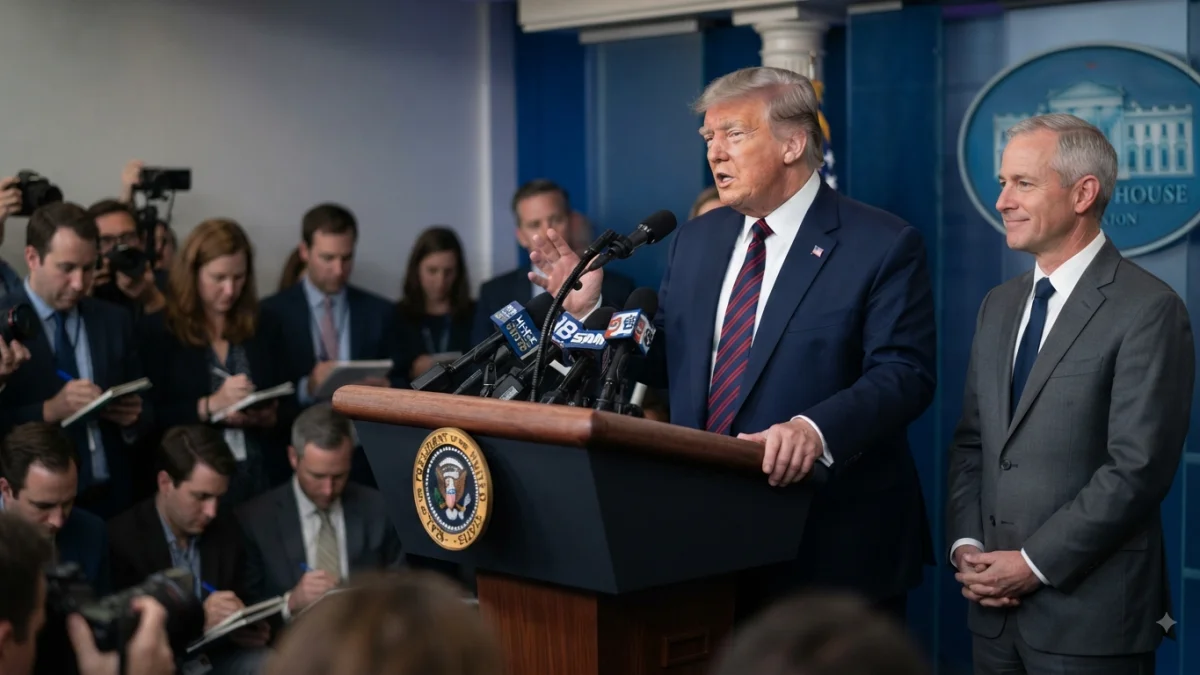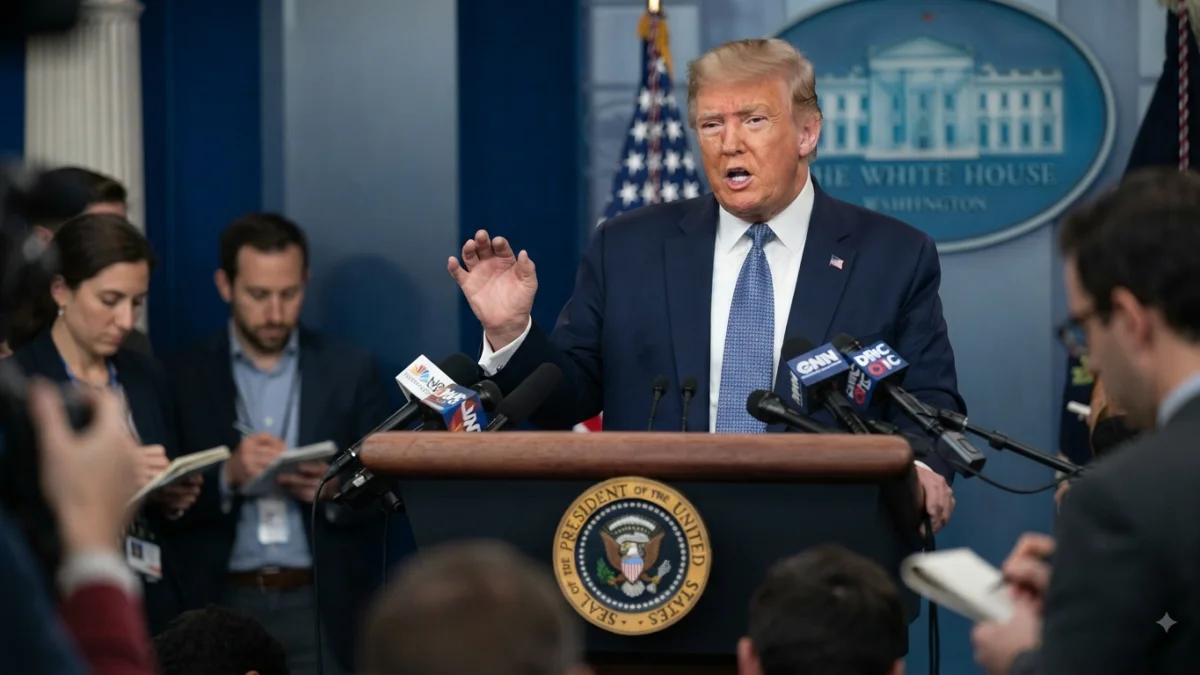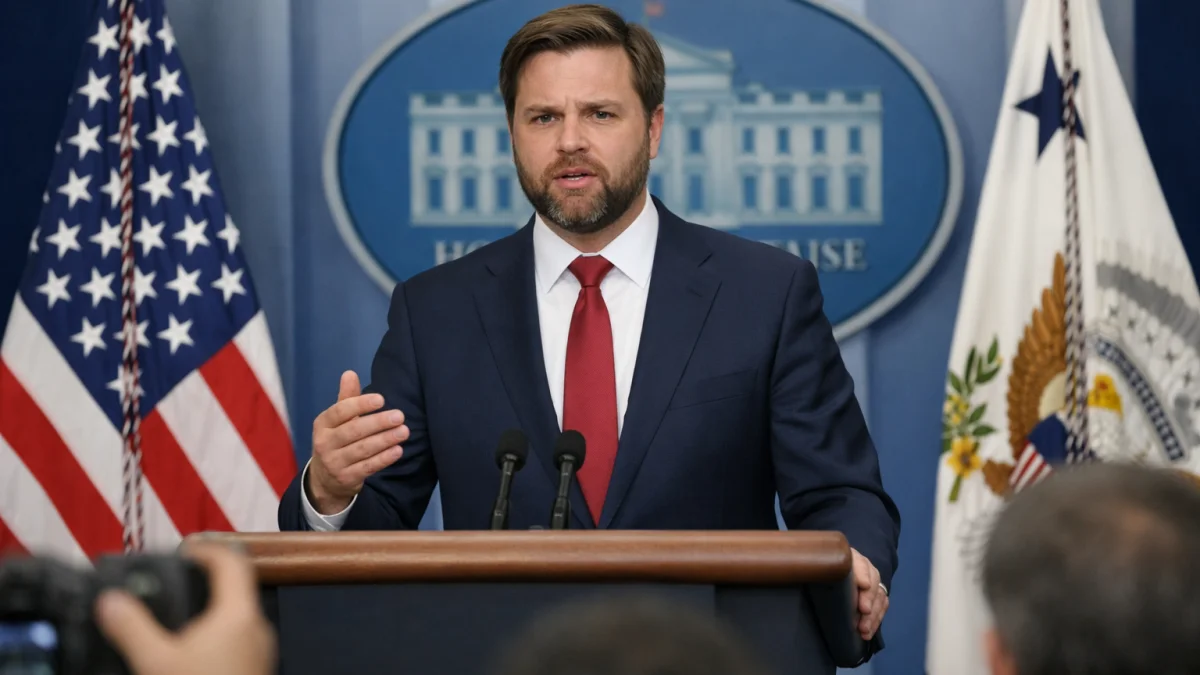


WASHINGTON — U.S. Vice President JD Vance on Friday defended the Trump administration’s preliminary framework agreement with Iran, rejecting criticism from Republican lawmakers and conservative commentators who argue the arrangement gives Tehran too much in exchange for uncertain commitments.
Vance, who has emerged as the administration’s chief public advocate for the agreement, said the memorandum of understanding signed earlier this month is intended to halt hostilities and create a pathway for broader negotiations on Iran’s nuclear activities, regional security issues and the future of the Strait of Hormuz.


“The Iranians have to perform,” Vance told reporters on Thursday, according to remarks carried by multiple media outlets. He said any economic benefits contemplated under the framework would depend on Iran meeting its obligations and complying with verification measures.
The agreement has drawn criticism from several Republican figures who have questioned whether the administration has secured sufficient guarantees from Tehran. Some lawmakers have called for greater transparency regarding the framework’s provisions, while others have expressed concern about the possibility of sanctions relief or expanded economic access for Iran before key issues are resolved.
Vance has repeatedly pushed back against those concerns. In television interviews this week, he said no funds would be transferred to Iran merely for signing the agreement and that any future sanctions relief would be tied to verified Iranian actions, including steps related to its nuclear program.
The vice president has also described the memorandum as a broad framework rather than a final settlement. Speaking earlier this week, Vance said the document is “a very general document” and acknowledged that many details would be negotiated during a 60-day technical phase.
According to administration officials, the framework establishes a pause in hostilities and opens a negotiation period aimed at addressing unresolved issues, including oversight of Iran’s nuclear activities and arrangements affecting the Strait of Hormuz, a critical route for global energy shipments.
The debate has exposed divisions within Republican ranks, with some conservatives supporting the administration’s effort to avoid further conflict and others warning that Iran could gain economic or strategic advantages without making lasting concessions.
As of Friday, the framework remained in effect and negotiators were continuing talks. Administration officials said the 60-day negotiation period had begun, while several substantive issues remained unresolved and subject to further discussion.