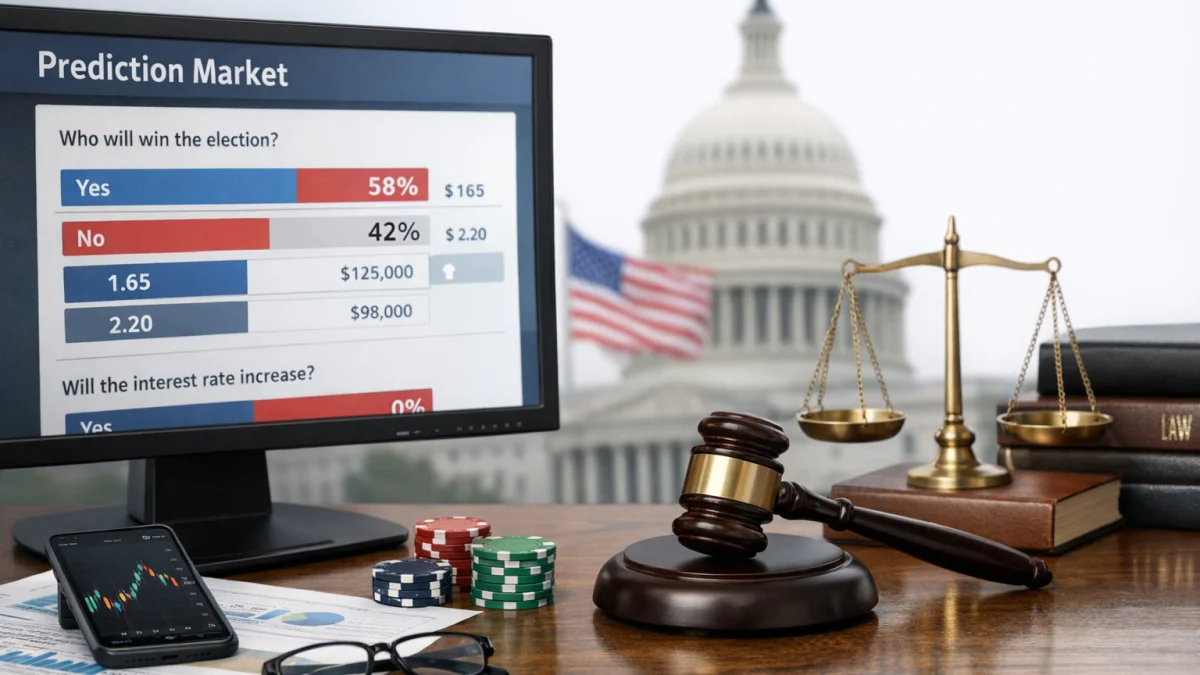


WASHINGTON — Lawmakers from both parties and federal regulators intensified scrutiny of prediction market platforms on Thursday, raising concerns about potential insider trading and the suitability of certain event contracts during a congressional hearing.
Members of the House and Senate pressed the head of the Commodity Futures Trading Commission on oversight of platforms such as Kalshi and Polymarket, which allow users to bet on outcomes of elections, sports, wars and other events. The hearing highlighted bipartisan worries that the rapidly growing industry could be exploited for illicit gains or undermine public trust.


Prediction markets have expanded significantly in recent years, with platforms offering contracts on a wide range of real-world events. Kalshi operates as a CFTC-regulated exchange, while Polymarket maintains both offshore and regulated operations. Concerns escalated after large payouts on events including the ouster of Venezuelan President Nicolás Maduro and developments related to U.S. actions in the Middle East, prompting questions about whether participants had access to nonpublic information.
Sen. Jeff Merkley, D-Ore., said in a statement that “by offering bets on wars, elections, and U.S. government actions, prediction markets are a real danger to our democracy and ripe for exploitation by public officials with insider information.” Multiple bills have been introduced in Congress to impose stricter limits, including prohibitions on contracts involving government actions, terrorism or events that could incentivize harm.
CFTC officials have asserted exclusive federal jurisdiction over properly registered prediction markets, treating event contracts as swaps or derivatives under the Commodity Exchange Act. The agency has filed lawsuits against several states attempting to apply local gambling laws to the platforms and issued guidance emphasizing anti-manipulation and real-time monitoring requirements. In March, the CFTC published an advance notice of proposed rulemaking seeking public comment on how core principles, insider trading rules and public interest standards should apply, with comments due by April 30.
Platform operators have responded by tightening policies, including restrictions on trades based on confidential information. Kalshi has referred suspected insider trading cases to authorities. Industry representatives argue the markets provide valuable information aggregation while operating under existing financial regulations.
Critics, including some lawmakers and state attorneys general, contend that certain contracts resemble gambling and could influence or profit from sensitive matters. Bipartisan legislation has been proposed to ban specific categories of bets or shift more authority to states.
As of Friday, no immediate new regulations had been finalized. The CFTC continued to defend its oversight role in court, while congressional committees signaled further examination of the industry’s practices and potential legislative action in the coming months. Details on the volume of trading or specific enforcement cases remained limited in public statements.