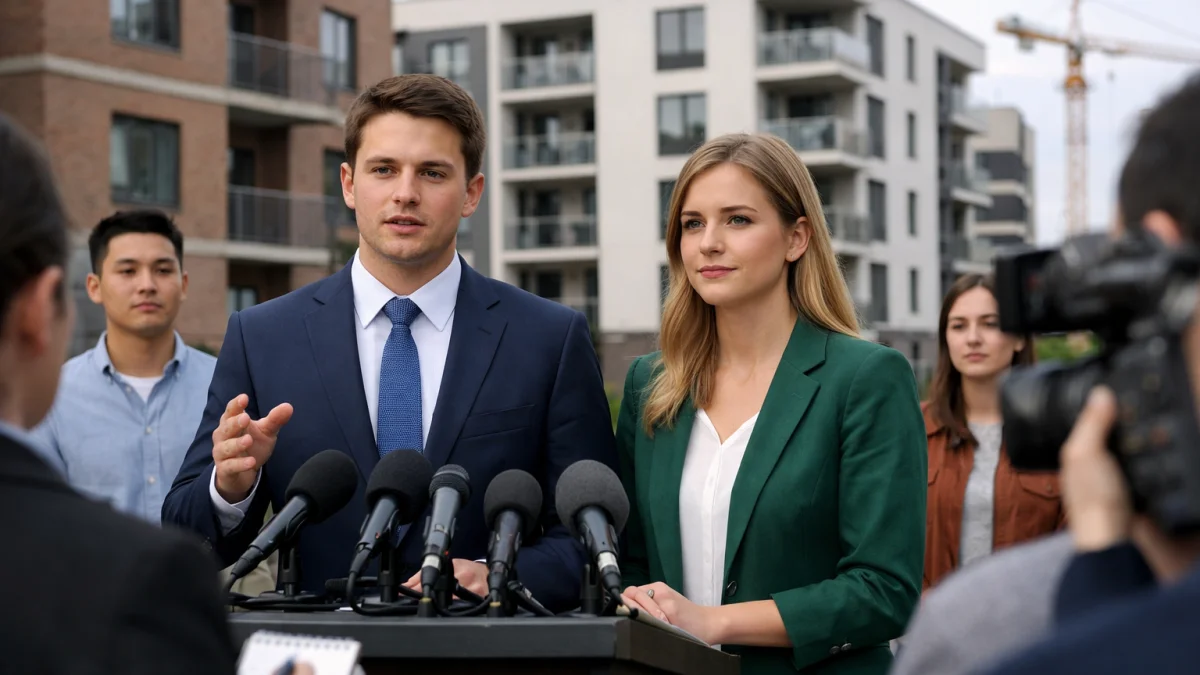


PROVIDENCE, R.I. — Young Millennial and Gen Z politicians across the United States have made housing affordability a central issue in their 2026 election campaigns, reflecting challenges faced by younger generations in securing stable housing.
David Morales, a 27-year-old Democratic state representative and candidate for mayor of Providence, has centered his campaign on the issue. Providence has been identified as one of the least affordable U.S. cities for renters. Morales, a renter himself, is challenging incumbent Mayor Brett Smiley, who is about 20 years older.


“We’re building a city all our neighbors can afford,” Morales said during a recent campaign event, “a city where you don’t find yourself priced out when it’s time to renew your lease, a city that’s not dominated by luxury housing.”
Morales has pledged to support rent stabilization measures, including a proposed cap on annual rent increases, and to require more affordable units in new developments. He has also proposed using public redevelopment tools to create permanently affordable housing on underused land.
The focus on housing extends beyond Rhode Island. Across the country, younger candidates from both parties have highlighted the issue in races for local, state and federal offices. Many point to rising costs that have pushed the median age of first-time homebuyers to about 40 years, up from a long-term range of 29 to 31.
Broader economic data shows that median home prices have increased significantly since 2020, while wage growth has not kept pace for many middle-income households. Affordability concerns have influenced recent electoral outcomes, including wins by younger or progressive candidates emphasizing the issue.
Young voters and candidates often cite barriers to homeownership and high rental burdens as factors delaying life milestones such as marriage, family formation and wealth building. Groups like the Young Democrats of America have included strong housing planks in their platforms, calling for more affordable construction near transit and rent control measures.
Bipartisan efforts in Congress, including the 21st Century ROAD to Housing Act, have sought to address supply constraints, though implementation details continue to evolve. Some Republican candidates emphasize deregulation and increased supply, while Democrats often stress tenant protections and public investment.
As primary and general election campaigns intensify ahead of November 2026, housing remains a key talking point for many younger contenders. Details on the outcomes of specific races and the full scope of policy responses at local and federal levels remain subject to ongoing developments.