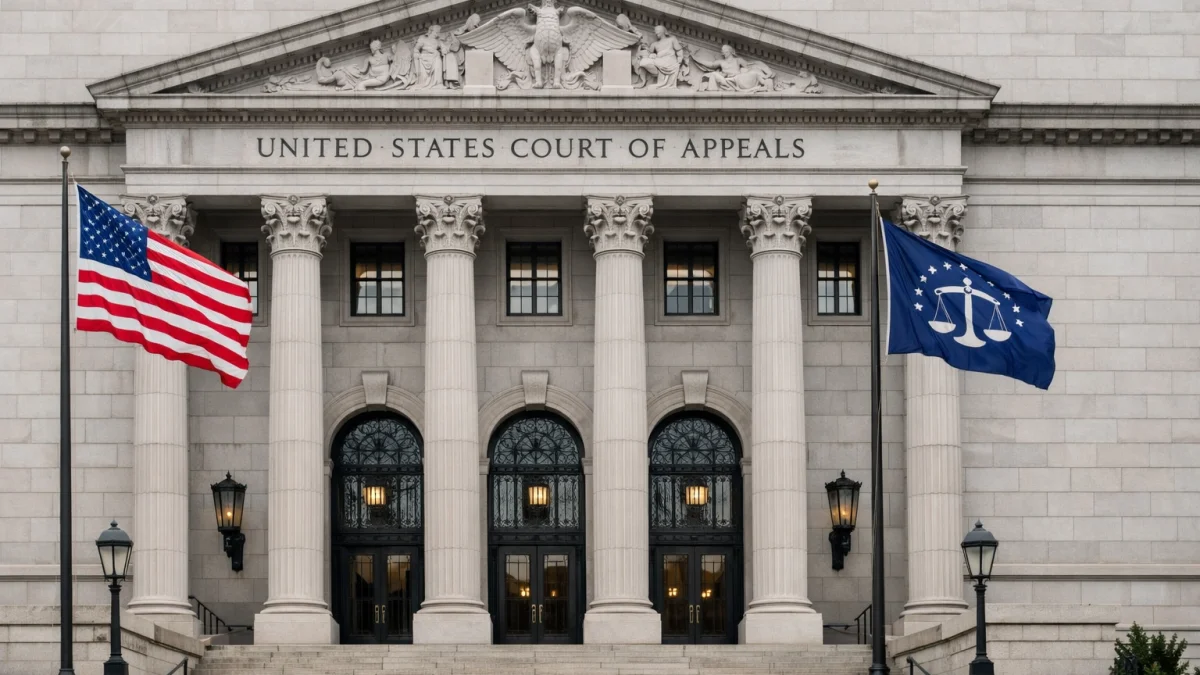


WASHINGTON — A U.S. appeals court heard arguments on Friday in a legal challenge to President Donald Trump’s plan to build a $400 million ballroom on the site of the White House’s demolished East Wing.
The Trump administration asked the U.S. Court of Appeals for the District of Columbia Circuit to allow construction to continue, arguing that challengers lack legal standing and that courts have no role in blocking the project.


Justice Department attorney Yaakov Roth told a three-judge panel that the project had advanced too far to be stopped and that only Congress could intervene. He contended the administration did not need additional congressional approval for the ballroom and associated security upgrades.
The lawsuit, brought by historic preservationists, contends that Trump exceeded his authority by proceeding without explicit approval from lawmakers for major changes to the White House complex. A lower court judge had previously ordered construction halted until Congress authorized the project.
The appeals court panel, consisting of Judges Karen LeCraft Millett and Bradley Garcia, both appointed by Democrats, and Judge Neomi Rao, appointed by Trump, questioned the scope of presidential power in the case. The judges heard more than two hours of arguments.
Construction of the ballroom, intended in part to enhance security features against modern threats such as drones, began after the East Wing was demolished. The administration has maintained that the work serves national security needs.
Preservation groups argue the project requires congressional oversight due to its scale and impact on the historic White House grounds. Details of the full project scope and exact costs remain subject to ongoing legal review.
In an order last month, the appeals court allowed construction to proceed during the litigation without ruling on the merits. The panel could issue a decision in the coming weeks, which might be appealed further to the U.S. Supreme Court.
The case tests the limits of executive authority over modifications to the White House, a national landmark. Both sides presented arguments on standing and the extent of presidential discretion in national security matters related to the executive residence.
Roth emphasized during the hearing that judicial intervention would be improper, stating the project aligned with existing authorizations. Lawyers for the preservationists countered that Congress must approve significant structural changes.
As of Friday, no final ruling had been issued. Construction status during the appeals process continues under the court’s prior allowance.