

LONDON — Broadband companies across Europe are facing mounting financial pressure and creditor backlash after an aggressive expansion strategy involving massive infrastructure investments faltered, with banks selling off loans at a discount to distressed debt funds.
In recent weeks, several lenders have offloaded debt tied to smaller alternative network operators, known as altnets, that sought to challenge established players such as Deutsche Telekom AG and BT Group Plc. The moves highlight growing unease in a sector that borrowed heavily to fund fiber-optic cable rollouts but has struggled amid rising costs and competitive pressures.


London-based distressed debt specialist FitzWalter Capital purchased around half the bank debt of Germany’s DNS:Net, according to people familiar with the matter. Lenders exited after owner 3i Infrastructure ruled out further funding, and the private equity group wrote down its stake to zero as the firm’s fiber rollout plans encountered difficulties.
Similar transactions have occurred involving other altnets. FitzWalter also gained control of UK firm G.Network through an administration process after acquiring positions in its debt and equity. One bank sold roughly €350 million ($404 million) of loans to Germany’s Deutsche Glasfaser to Victor Khosla’s Strategic Value Partners amid a broader €7 billion debt restructuring.
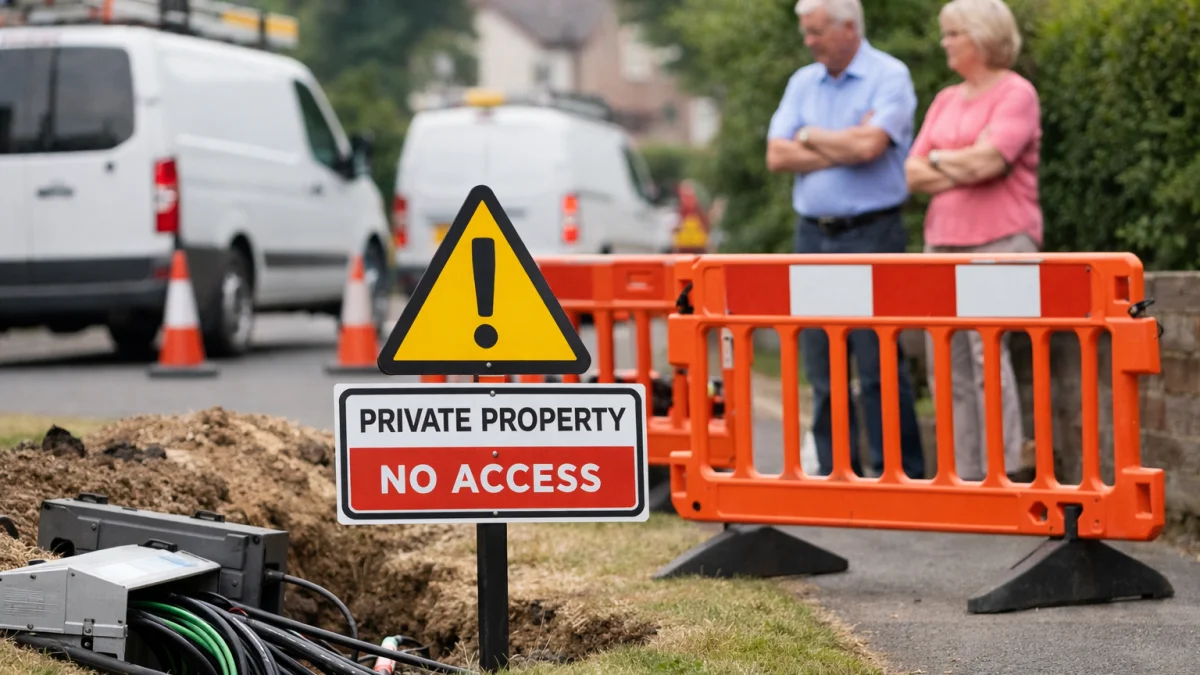
The sector’s challenges stem from ambitious “land grab” efforts in which companies invested heavily in digging up roads and laying cables to capture market share. From 2021 to 2024, European fiber companies attracted around €85 billion in debt financing alone, according to the FTTH Council Europe. Private equity sponsors, including EQT AB and Goldman Sachs Asset Management, along with banks such as NatWest Group and Societe Generale SA, backed the expansion, buoyed by government support for better connectivity and post-pandemic demand for home working.
Higher inflation and financing costs have since strained those debt-fueled business models. Many altnets in competitive markets like Germany and the UK have fallen short of rollout targets, leaving them with substantial loans. About 65% of European fiber companies are expected to need refinancing in the next two years, a survey by AlixPartners showed.
A spokesperson for the FTTH Council Europe said the industry continues to invest in expanding access despite current market conditions. “We remain committed to delivering high-quality fiber infrastructure across the continent,” the spokesperson added.
Some operators have seen stabilization or support. Liberty Global agreed this year to acquire Netomnia in a £2 billion deal, with shareholders injecting £1 billion to support operations, according to reports. However, distressed debt funds have increasingly stepped in where traditional lenders are retreating, taking over financing in what was once a bank-dominated infrastructure space.
The shift underscores the risks of rapid expansion in the broadband sector. Details on the full extent of potential losses for individual banks remain unclear, as many institutions hold exposures across multiple projects.
As of Tuesday, trading in loans for several affected companies continued at discounted levels, with distressed funds actively participating in the market. Industry participants expect further restructuring activity in the coming months as refinancing deadlines approach.