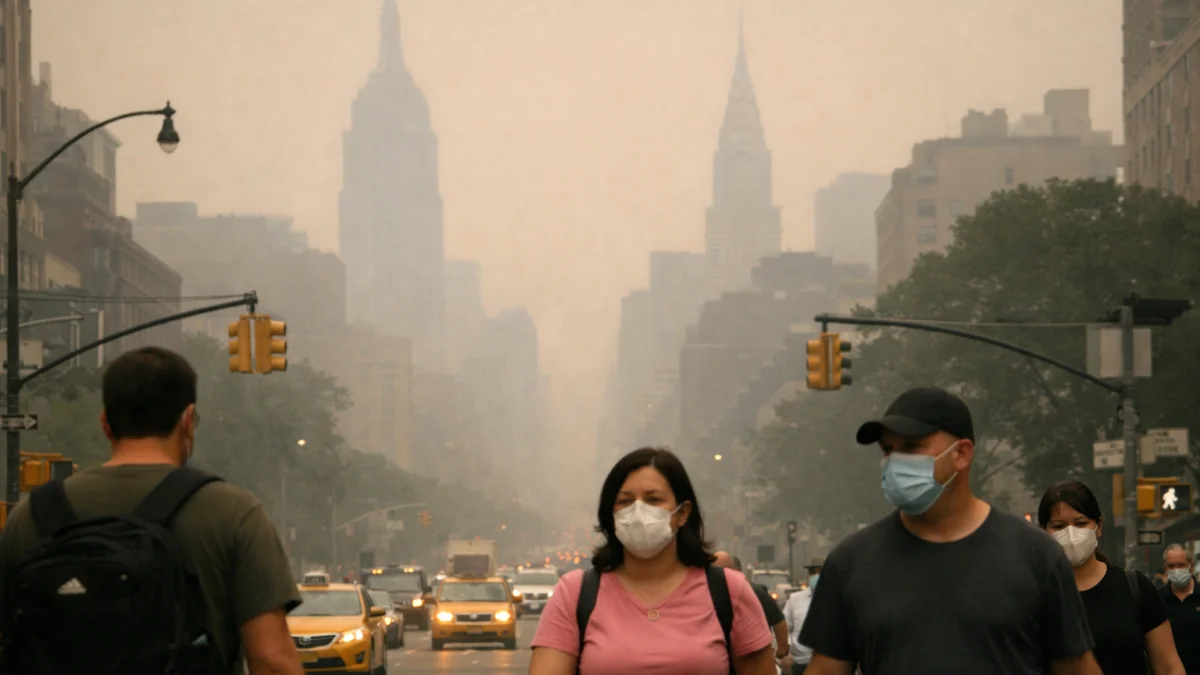


NEW YORK — Smoke from hundreds of active Canadian wildfires blanketed large parts of the U.S. Midwest, Great Lakes and Northeast on Saturday, prompting health advisories, disrupting outdoor activities and leaving several major cities with some of the world's poorest air quality, according to U.S. and Canadian authorities.
Authorities urged residents, particularly children, older adults, pregnant women and people with heart or lung conditions, to limit time outdoors as elevated levels of fine particulate pollution spread south from fires burning across Canada. Air quality alerts remained in effect across numerous states, while local officials advised people to keep windows closed, use air filtration where possible and wear well-fitted masks if prolonged outdoor exposure was unavoidable.


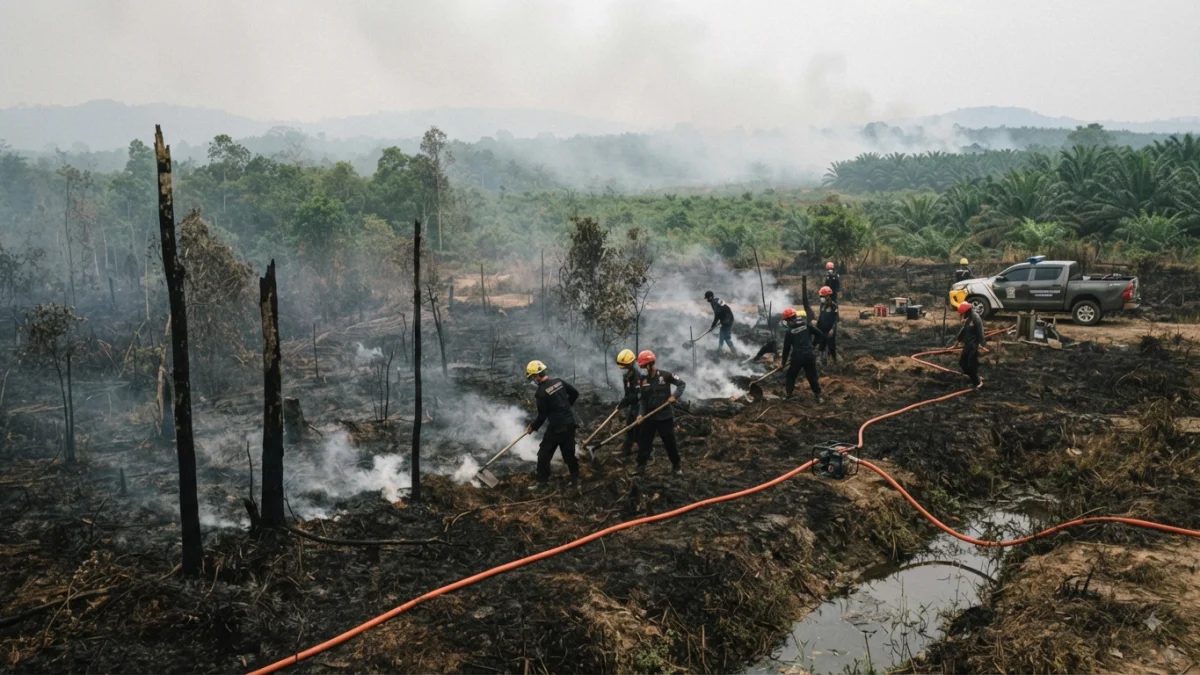
Canada continued to battle an intense wildfire season, with more than 850 active fires reported nationwide, including more than 100 classified as out of control, according to the Canadian Interagency Forest Fire Centre. Large fires in Ontario, Manitoba and Saskatchewan generated dense smoke that prevailing winds carried across the international border into the United States.
The smoke reduced visibility in cities including Detroit, Chicago, New York, Cleveland and Washington, while air quality monitors recorded conditions ranging from unhealthy to very unhealthy in many locations. Detroit briefly ranked among the world's most polluted major cities by air quality measurements earlier in the outbreak.
The deteriorating air also disrupted public events. Major League Baseball postponed a scheduled game between the Cleveland Guardians and Pittsburgh Pirates after air quality reached levels considered very unhealthy, citing the safety of players, staff and spectators. Other sporting organizations said they were continuing to monitor conditions.
Health officials warned that wildfire smoke contains microscopic particles capable of penetrating deep into the lungs and entering the bloodstream, increasing the risk of respiratory and cardiovascular problems. Even healthy people may experience eye irritation, coughing or difficulty breathing during periods of heavy smoke exposure, officials said.
Forecasters said changing weather patterns, including expected rainfall in some affected regions, could gradually improve air quality over the coming days, although conditions would continue to depend on wildfire activity and shifting winds. Canadian emergency agencies said firefighting operations and evacuation efforts were continuing as crews worked to contain the largest blazes.