

Typhoon Dolphin has weakened after making landfall in eastern China, but its most consequential effects were continuing on Monday as torrential rain flooded parts of Shanghai and surrounding provinces, disrupting transport and prompting mass evacuations. The storm struck Zhejiang province on Sunday evening with sustained winds of about 151 kph, making it the strongest tropical cyclone to hit China this year, according to Reuters.
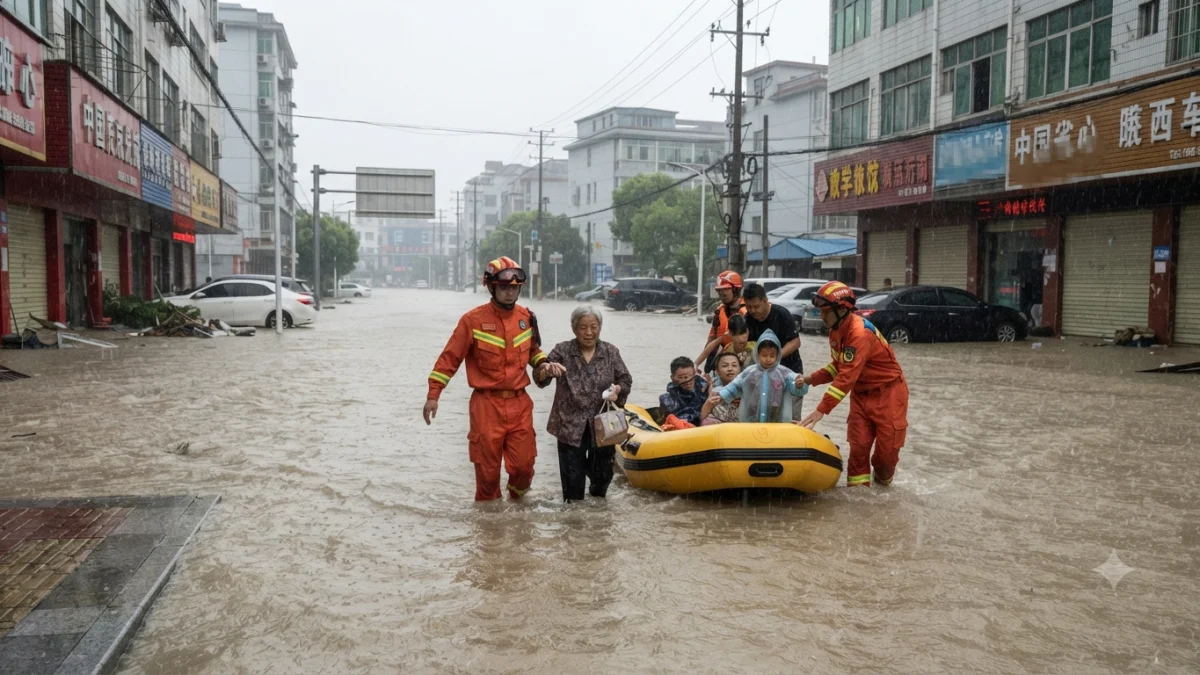
The immediate significance is that Dolphin’s risk has shifted from a primarily coastal wind threat to a broader inland flooding and landslide threat. More than one million people had been evacuated across eastern China, according to Reuters, while authorities in Zhejiang, Fujian, Shanghai and other affected areas expanded precautionary measures as heavy rainfall continued after the storm weakened.


That transition matters because a tropical cyclone does not cease to be hazardous when its maximum winds decline. The World Meteorological Organization identifies flooding, storm surge and landslides among the major hazards associated with tropical cyclones, alongside destructive winds. In many cases, rainfall and secondary flooding can remain dangerous after the storm's circulation has weakened.
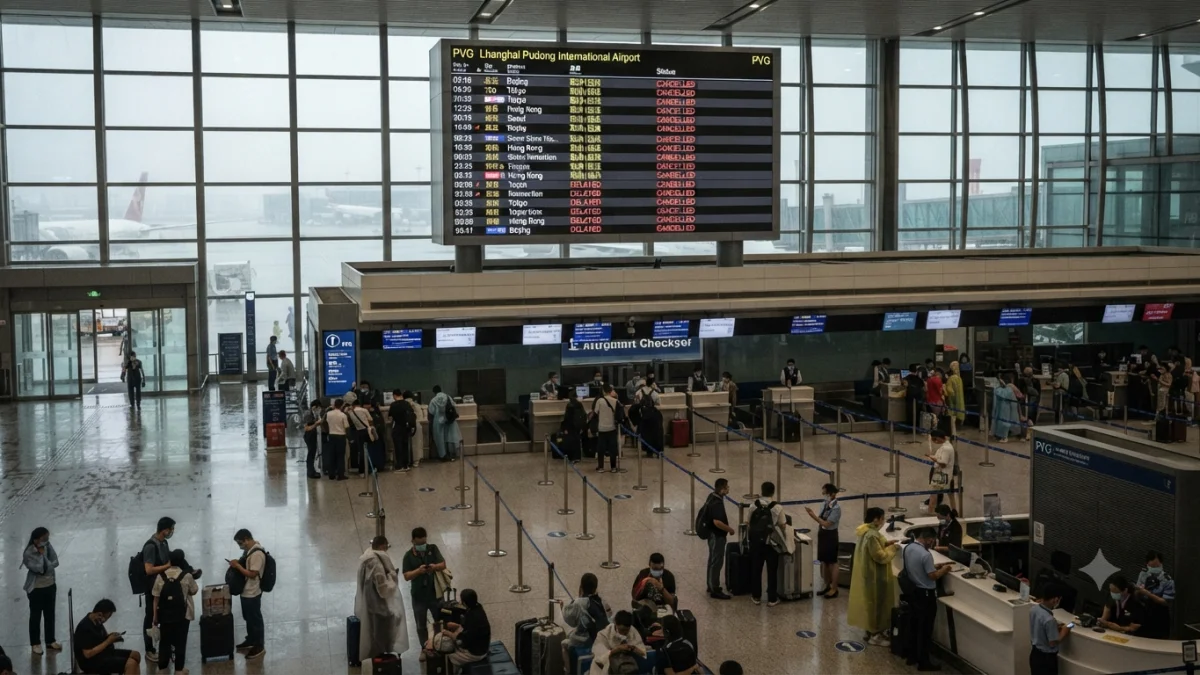
Shanghai illustrates the scale of the disruption. The city's two airports canceled 943 flights on Monday, reducing air traffic capacity by nearly 40%, Reuters reported, while widespread flooding affected roads and commercial districts. Authorities suspended non-essential activities and some public transport in badly affected areas. China Eastern Airlines said it was working to restore flights in an orderly manner.
The wider disruption is significant because Dolphin moved through one of China's most densely populated and economically important regions. Zhejiang, Shanghai, Jiangsu and neighboring provinces combine major manufacturing centers, ports, transport networks and large urban populations. Temporary shutdowns can therefore affect not only residents but also domestic logistics, aviation, tourism and industrial activity. At this stage, however, the scale of any lasting economic damage remains unclear.
The evacuation response also provides an indication of how authorities are managing the changing geography of the hazard. Earlier reporting put the number relocated ahead of landfall at more than 300,000, but subsequent evacuations pushed the total above one million as rainfall intensified and flood and landslide risks became clearer. Wenzhou in Zhejiang alone moved more than 900,000 people, while large numbers were also relocated in Fujian and Shanghai.
Dolphin's rainfall presents a separate challenge from its peak wind strength. Forecasts issued before and during landfall indicated that some affected areas could receive hundreds of millimeters of rain. Shanghai subsequently recorded exceptionally heavy rainfall, with reports of around 300 mm or more at some stations within 24 hours. Such rainfall can overwhelm drainage systems, particularly when it falls rapidly over heavily urbanized areas.
The storm also demonstrates why China's disaster-management system increasingly relies on early evacuation rather than waiting for damage to occur. Authorities closed schools, tourist sites and water-related activities, moved vulnerable residents and positioned rescue resources before landfall. Similar preventive measures have been used during other typhoons this year, including Bavi, when hundreds of thousands of people were relocated in different parts of China after extreme rainfall.
Climate change provides important context, but it should not be used to attribute an individual storm to global warming without a specific event-attribution study. Established climate science does indicate that warmer air can hold more moisture and that tropical-cyclone rainfall rates are expected to increase as the climate warms. NOAA says warming oceans are likely to support more powerful tropical cyclones, while heavier cyclone rainfall and rising sea levels can amplify flooding risks.
Dolphin's unusually broad and persistent rainfall therefore fits within a wider risk-management problem: even where forecasting can identify a storm's track and weakening, communities must also prepare for rainfall that can continue far inland and for hazards that emerge after landfall. The storm's effects across multiple provinces show how quickly a coastal weather event can become a regional infrastructure and public-safety problem.
As of Monday, Dolphin was weakening while moving northwest at roughly 15 to 20 kph, according to China's meteorological authorities as reported by AP. Officials continued to warn of flooding and landslides as the system moved inland. The immediate priorities remain monitoring river levels, rainfall and unstable slopes, supporting evacuated residents and restoring transport safely. The eventual death toll, infrastructure damage and economic losses had not yet been fully established, leaving the final impact assessment dependent on conditions after the storm and the completion of official inspections.