

MANILA — Governments in several flood-prone regions are accelerating climate adaptation measures ranging from flood-control infrastructure and river restoration projects to nature-based defenses and urban drainage upgrades, as communities prepare for increasingly frequent extreme weather events linked to climate change.
Recent announcements in Southeast Asia highlight a broader push to strengthen resilience in areas vulnerable to river flooding, coastal inundation and intense rainfall. Officials said the measures are intended to reduce risks to residents, protect infrastructure and improve disaster preparedness ahead of seasonal storms and monsoon rains.


In the Philippines, the Department of Public Works and Highways has expanded its “Oplan Kontra Baha” flood-mitigation program, including dredging, desilting and waterway improvement projects in flood-prone areas. During an inspection of ongoing works in Tuguegarao City earlier this month, Public Works Secretary Vince Dizon said the projects were designed to improve water flow and reduce flooding in low-lying communities. The initiative supports broader government efforts to strengthen climate resilience and disaster preparedness, officials said.
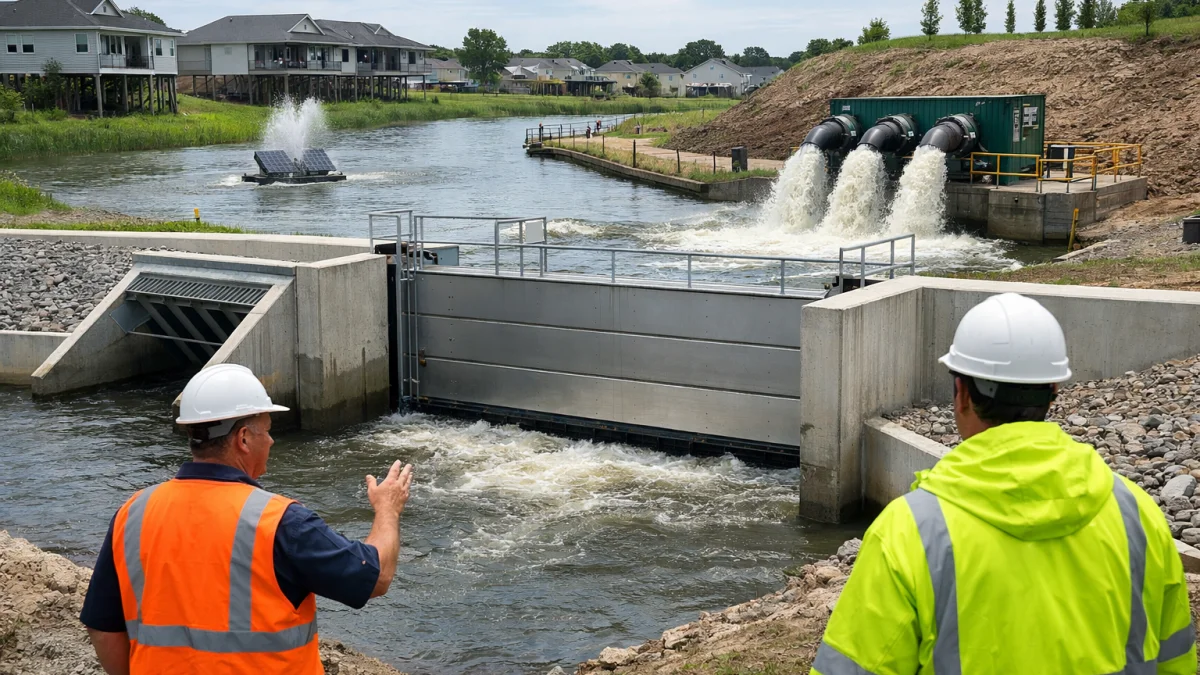
Metro Manila authorities are also advancing a “Sponge City” project developed with support from the Asian Infrastructure Investment Bank. According to the Metropolitan Manila Development Authority, the initiative combines traditional drainage infrastructure with green spaces, wetlands and water-retention systems intended to absorb and manage stormwater during periods of heavy rainfall.
In Indonesia, local governments have announced a series of flood-adaptation projects. Officials in Bekasi Regency said they are seeking support for river normalization and water-infrastructure improvements as part of efforts to address recurring flooding. In Bandung Regency, authorities are preparing land for a retention lake project intended to increase water-storage capacity and help manage floodwaters within the Citarum River basin.
Coastal adaptation measures are also receiving increased attention. Indonesia’s environment ministry has promoted the use of hybrid coastal defenses, combining engineered structures with mangrove restoration to address tidal flooding and shoreline erosion along vulnerable stretches of the northern coast of Java. Officials said mangrove ecosystems can serve as natural barriers while supporting environmental recovery.
International development agencies have supported similar efforts elsewhere. The Asian Development Bank’s Integrated Flood Resilience and Adaptation Project in the Philippines focuses on strategic flood-risk planning, protective infrastructure and community-based preparedness in several river basins. Officials said the program aims to reduce long-term climate risks while improving local resilience.
Researchers and urban planners have increasingly emphasized the role of integrated approaches that combine engineering projects, land-use planning, early-warning systems and community engagement. Recent studies have highlighted the importance of both physical infrastructure and institutional preparedness in reducing flood impacts.
As rainy seasons approach across parts of Asia, governments said implementation of adaptation projects is continuing. Construction schedules, funding arrangements and completion timelines vary by location, and officials noted that several initiatives remain in planning or early development stages.