

WASHINGTON — Growing debate over the concentration of corporate and technological power has intensified following SpaceX's record-breaking public market debut, with investors, public officials and governance advocates raising questions about the influence held by founder Elon Musk across multiple sectors of the economy.
The discussion gained momentum after SpaceX began trading publicly on Friday at a valuation exceeding $2 trillion, according to Reuters. The listing, one of the largest stock market debuts on record, also made Musk the world's first trillionaire based on estimates tied to his ownership stake in the company. Reuters reported that the offering attracted strong demand from institutional and retail investors despite concerns about governance and shareholder rights.


Several investor groups and public pension officials have voiced concerns about the company's ownership structure. In a letter reported by Reuters last month, leaders of major public pension systems in New York and California said they had "serious concerns" about what they described as an "extreme" governance structure that grants Musk extensive voting control and other protections uncommon among publicly traded companies.
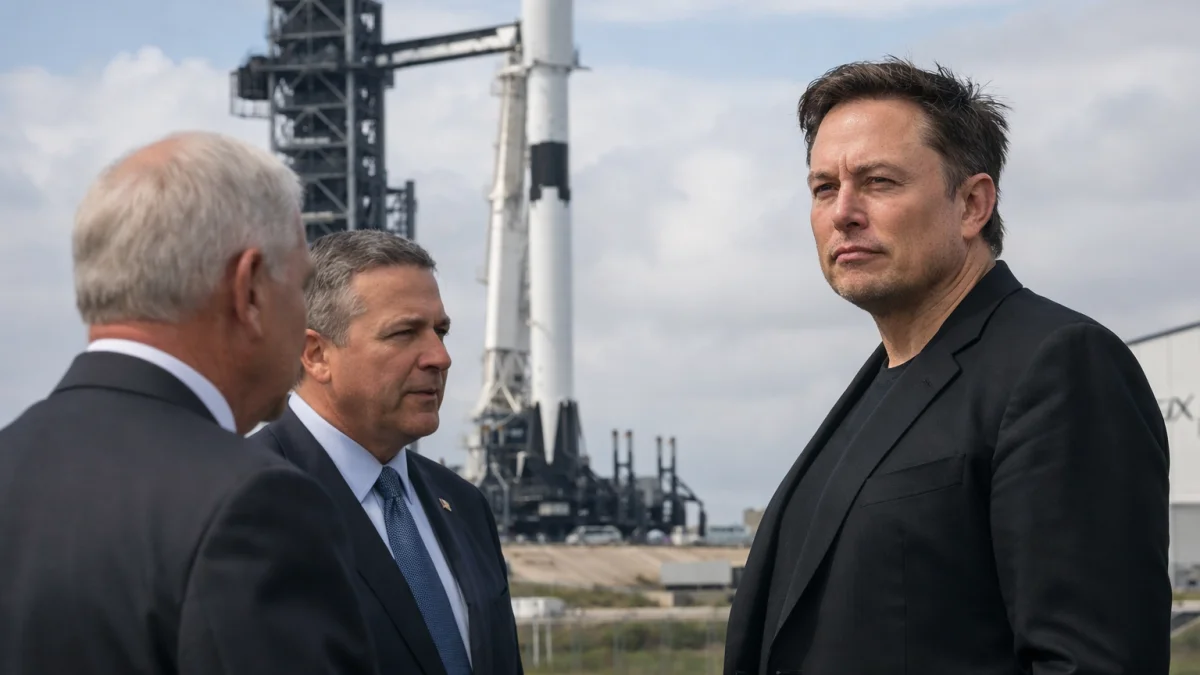
Those concerns have expanded beyond corporate governance. Critics argue that SpaceX's role in satellite communications, launch services and government contracts has increased the influence of a single private company in areas that are strategically important to the United States. According to public filings and company disclosures, SpaceX operates the Starlink satellite network and provides launch services for government and commercial customers.
Speaking to CNBC, author Walter Isaacson, who wrote a biography of Musk, said concentration of influence in key industries raises broader questions. "You don't want one person to have that much dominance," Isaacson said, while also noting Musk's role in advancing space technology.
Supporters of SpaceX point to the company's technological achievements, including reusable rocket systems and rapid expansion of satellite-based communications. Investors cited by Reuters said the company's record of innovation and execution helped drive demand for the offering despite governance concerns.
SpaceX has maintained that its structure allows management to pursue long-term projects without pressure from short-term market expectations. Musk has repeatedly described the company's primary objective as expanding human access to space and eventually establishing a sustained human presence beyond Earth.
On Friday, demonstrations were held outside financial and corporate venues in New York, according to Reuters, with some protesters criticizing rising wealth concentration and Musk's growing influence. At the same time, investors and supporters celebrated the company's market debut.
SpaceX and Musk had not announced any changes to the company's governance structure as of Friday. Trading in the company's shares continued following the debut, while discussions among investors, regulators and governance groups remained ongoing.