

July 2026 was the hottest month ever recorded across the contiguous United States, with an average temperature of 76.9 degrees Fahrenheit, according to the National Oceanic and Atmospheric Administration. The figure was 3.3 degrees above the 20th-century average and narrowly exceeded the previous July records set in 1936 and 2012. NOAA said the result makes July 2026 the warmest month in its 132-year national record, which begins in 1895.
The significance of the record lies not simply in the national average, but in the breadth and persistence of the heat. Every state in the contiguous United States recorded an above-average July, and all ranked within the warmest third of their historical records. Thirteen states placed among their five warmest Julys, while Wyoming experienced its hottest July and hottest month on record, at 5.1 degrees above its average.


The temperature pattern also highlights an increasingly important feature of extreme heat: unusually warm nights. NOAA reported that average daytime maximum temperatures were 89.5 degrees, ranking July sixth among the warmest months for average highs. But average overnight lows reached 64.2 degrees, 3.7 degrees above the 20th-century average and the highest monthly average low in the record. That distinction matters because nighttime cooling provides an opportunity for people, buildings and ecosystems to recover from daytime heat.
The previous national monthly record illustrates how unusual the new mark is. July 1936, during the Dust Bowl era, and July 2012 had previously occupied the top positions. NOAA said July 2026 was roughly 0.1 to 0.2 degrees warmer than both. Because national climate records are based on long-term observations across thousands of locations, a record at this scale is less dependent on conditions at any single city or weather station.
The heat was accompanied by generally dry conditions, although the national picture concealed sharp regional contrasts. Average precipitation across the contiguous United States was 2.55 inches, 0.23 inch below the 20th-century average, placing July in the driest third of the 132-year record. At the same time, parts of Texas and eastern New York experienced major flash-flooding events, demonstrating that a hot and relatively dry national month can still contain episodes of extreme rainfall.
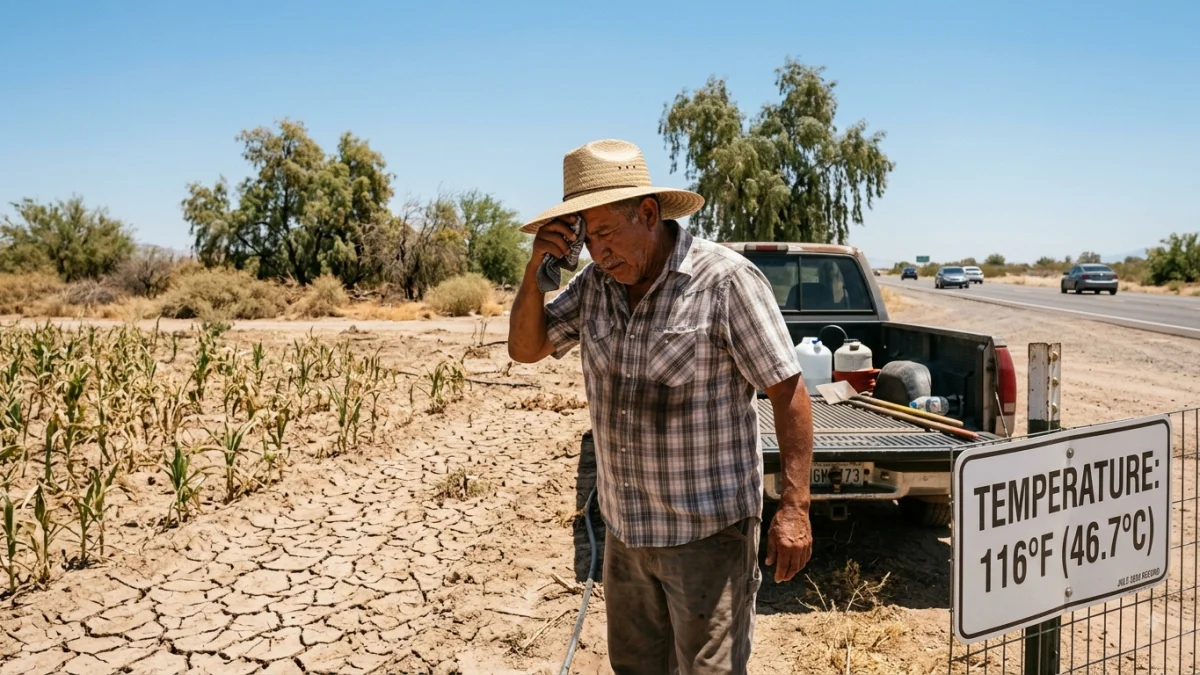
Drought conditions provide another measure of the potential consequences. NOAA reported that about 48.5% of the contiguous United States was in drought as of August 4, up about 0.7 percentage point from the end of June. Drought persisted across much of the interior West, Southwest and Rockies and expanded or intensified in portions of the Northwest, Plains, Upper Midwest and Northeast.
The health implications are also significant. The Centers for Disease Control and Prevention identifies extreme heat as one of the leading causes of weather-related illness and death in the United States. Older adults, young children, outdoor workers and people with certain existing health conditions face heightened risks. Persistent high nighttime temperatures can further increase exposure because the body has less opportunity to recover between hot days.
The record also fits within a longer-term warming trend, although a single month's record cannot by itself establish the cause of a particular weather event. The U.S. Environmental Protection Agency says rising average temperatures increase the likelihood of extreme temperatures and heat waves, while recent heat waves in major U.S. cities have become more frequent, longer-lasting and hotter. EPA also reports that unusually hot summer nights have increased faster than unusually hot summer days, reinforcing the importance of nighttime heat.
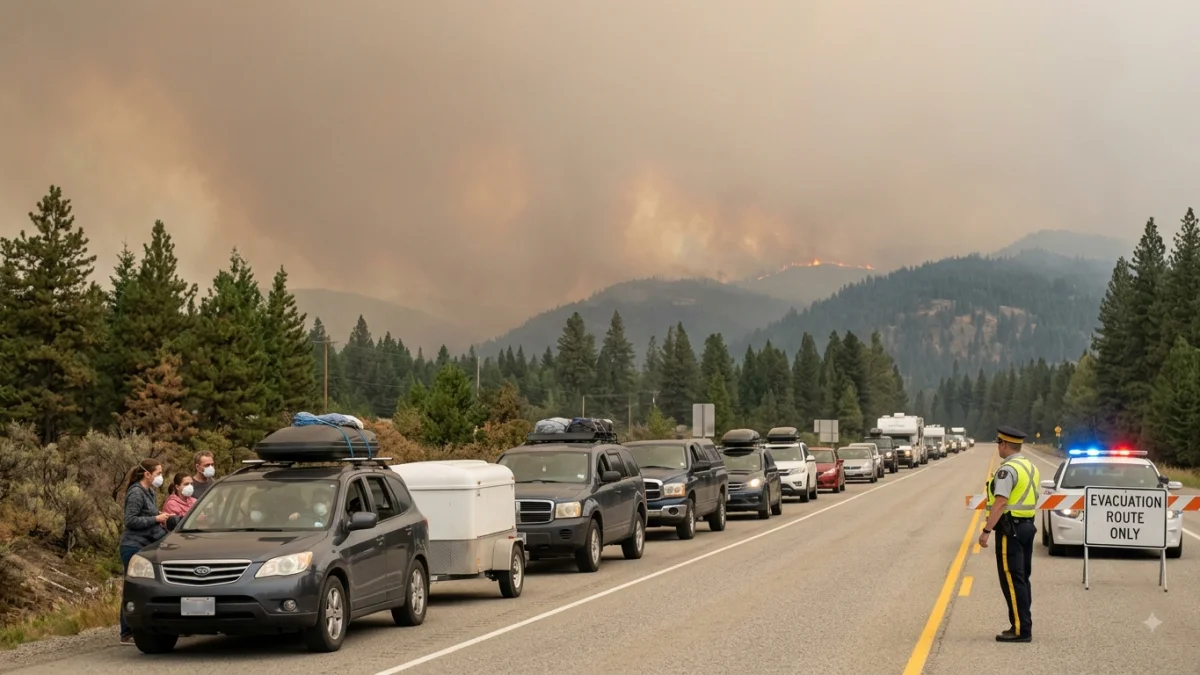
For governments and businesses, the implications extend beyond public health. More persistent heat can increase electricity demand for cooling, place additional stress on workers and agriculture, and intensify risks to transportation and other infrastructure. NOAA's August outlook calls for above-average temperatures across much of the central and southern United States and says drought is expected to persist or expand in parts of the Northwest, Plains and Upper Midwest. NOAA also identifies above-normal wildfire potential across several western and central regions.
The confirmed picture is therefore one of an exceptional national heat event occurring alongside significant regional drought, flooding and wildfire risks. NOAA is continuing to monitor August temperatures, precipitation and drought conditions, with a more detailed July climate report scheduled for release on August 13. Those assessments will provide additional state-level and regional detail, while the central fact is already established: July 2026 was the warmest month recorded across the contiguous United States since national records began in 1895.