

WASHINGTON — A U.S. federal appeals court has ruled that President Donald Trump cannot proceed with above-ground construction of a planned $400 million White House ballroom without approval from Congress, dealing a setback to a project that has become a test of presidential authority.
The U.S. Court of Appeals for the District of Columbia Circuit ruled 2-1 on Friday that the Trump administration lacked unilateral authority to fundamentally alter the White House complex by demolishing the East Wing and constructing a 90,000-square-foot ballroom without congressional authorization.


The court upheld a preliminary injunction obtained by the National Trust for Historic Preservation, which sued after the administration demolished the East Wing and began work on the project. The majority said presidents are temporary occupants of the White House rather than its owners and that major changes to the complex fall within Congress's authority.
“Whether or not a massive ballroom should be constructed is for Congress to decide and is not a matter for Executive self-help,” the majority wrote.
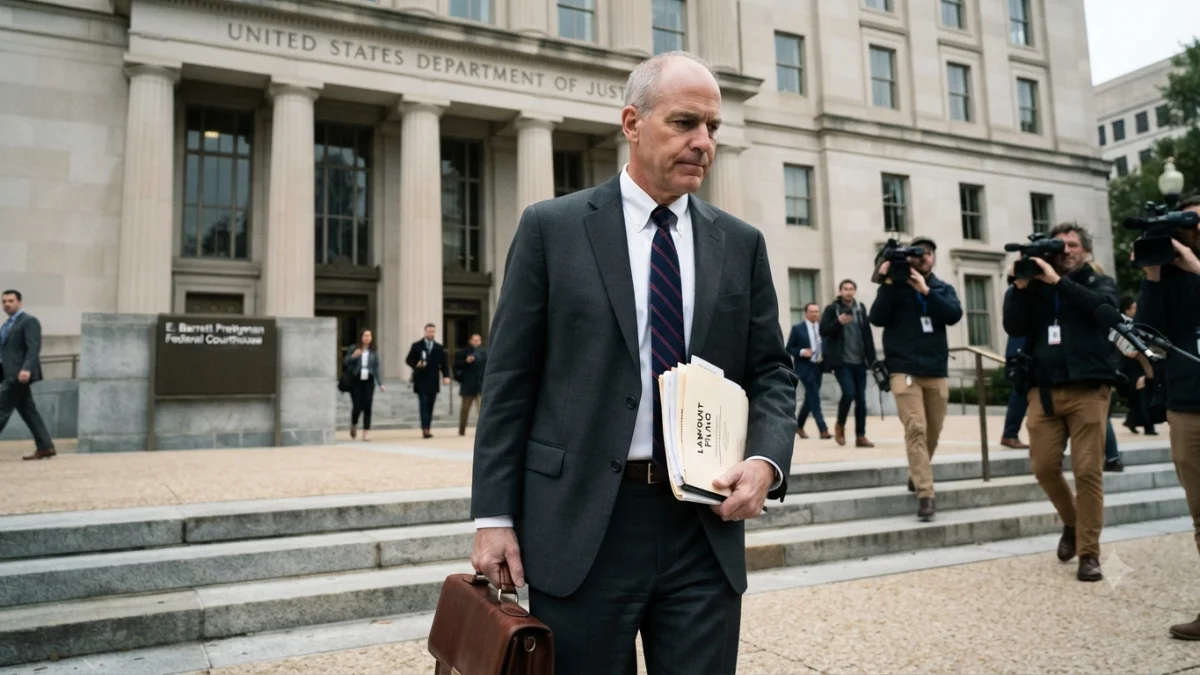
The appeals court suspended its ruling for 14 days, giving the administration time to seek review from the U.S. Supreme Court. Trump said on Friday that he would appeal, describing the ruling as unjust and arguing that the ballroom was needed for security purposes.
Trump has said the project includes security measures such as bomb shelters, medical facilities and protection against drones and missiles. His administration has also argued that the ballroom is necessary to accommodate large formal events and improve security at the White House.
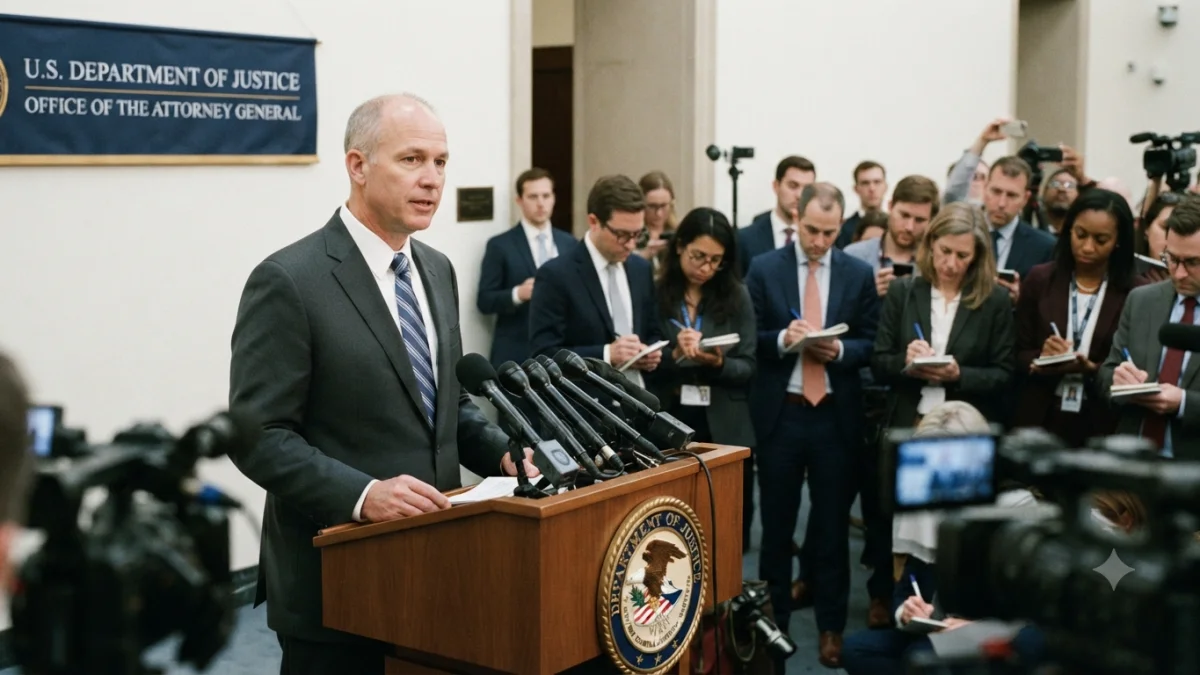
During arguments in June, Justice Department lawyer Yaakov Roth said courts should not intervene in the privately funded project and argued that national security concerns supported allowing construction to continue. The appeals court majority rejected that argument, saying national security considerations did not automatically exempt the executive branch from legal requirements.
Circuit Judge Neomi Rao, appointed by Trump during his first term, dissented. She said the lower court had exceeded the proper role of the federal judiciary by stopping construction and argued that work should be allowed to continue.
The project had previously been halted by U.S. District Judge Richard Leon, who allowed underground work to continue while blocking above-ground construction. Friday's ruling keeps the restrictions in place while the litigation proceeds.
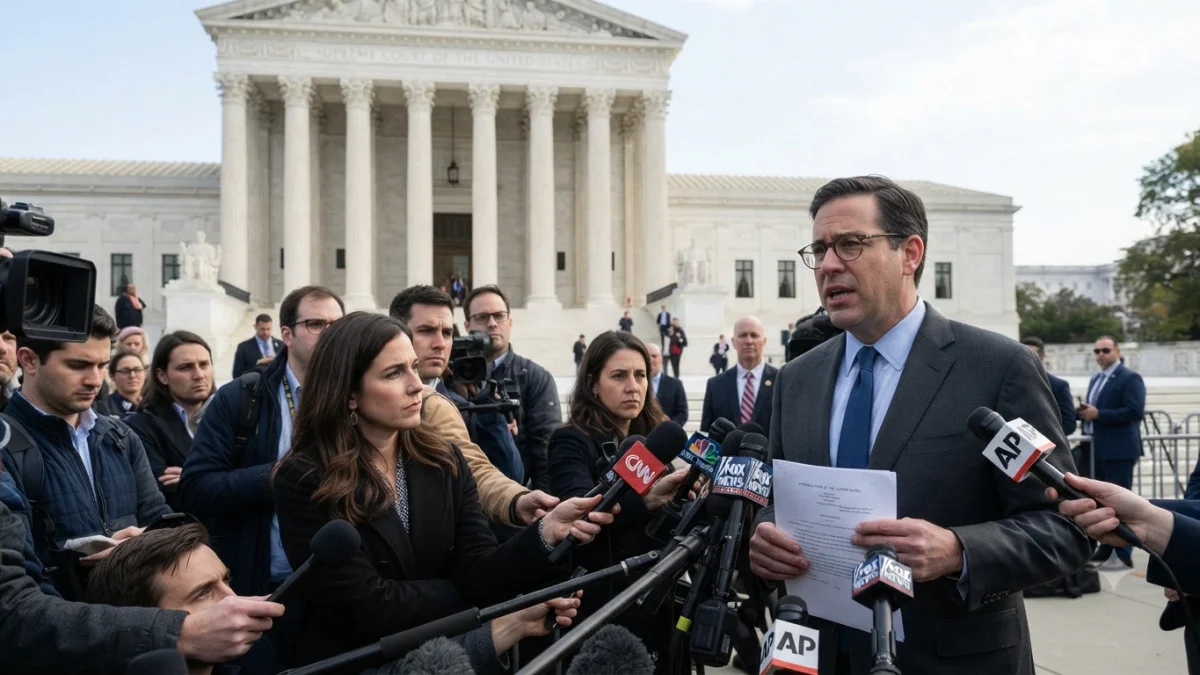
The administration now has two weeks to seek Supreme Court review before the appeals court's ruling takes effect.