

FRANKFURT — The European Central Bank raised its key interest rates on Thursday to counter rising inflation fueled by global conflicts, particularly the escalation in the Middle East, officials said.
The ECB increased its main deposit facility rate by 25 basis points to 2.25 percent, marking the first rate hike since 2023. The move came as energy prices surged due to disruptions linked to the conflict involving Iran, which has affected oil supplies through the Strait of Hormuz.


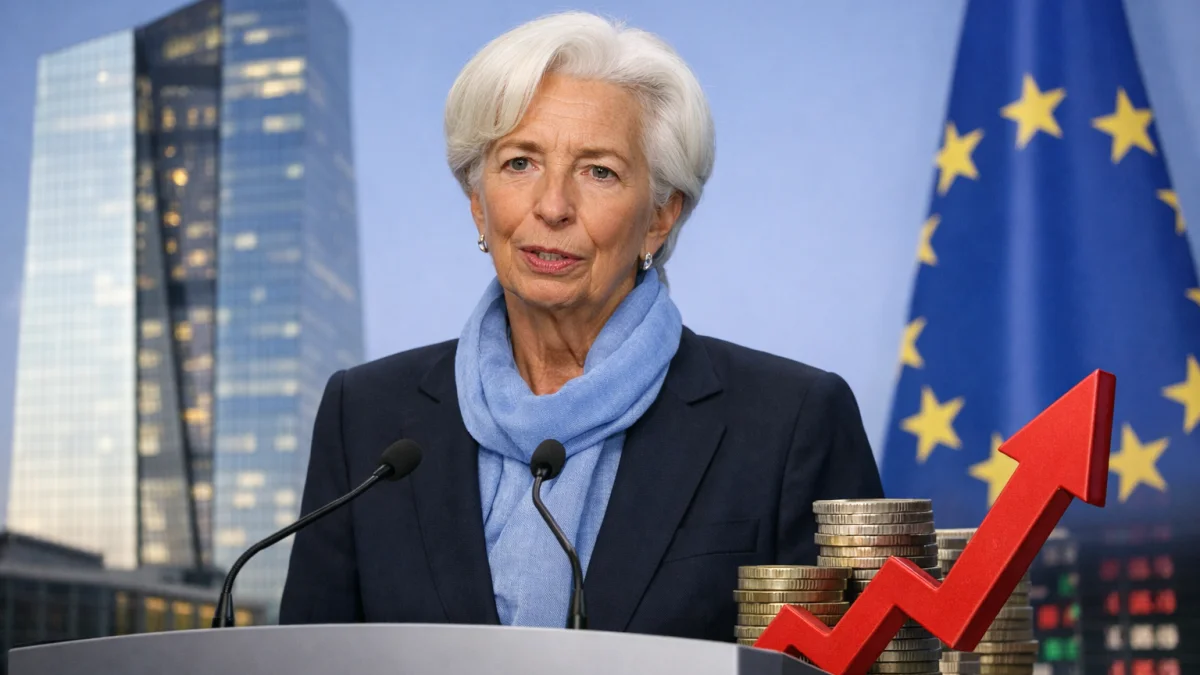
ECB President Christine Lagarde stated after the decision that the hike was necessary to anchor inflation expectations at the bank's 2 percent medium-term target amid heightened energy costs. "We are acting to prevent second-round effects from the energy shock spreading more broadly," she said in remarks following the Governing Council meeting.
The decision aligns with market expectations and follows upward revisions to the bank's inflation forecasts. Staff projections now see headline inflation averaging 2.6 percent in 2026, up from previous estimates, largely due to higher energy prices stemming from the regional conflict.
Eurozone inflation has picked up in recent months, driven by energy components. The conflict has led to higher oil and gas prices, contributing to broader cost pressures across the economy. Economic growth forecasts for 2026 were revised downward to around 0.9 percent, reflecting impacts on commodity markets, real incomes and confidence.
The rate increase is expected to be the first of potentially several, with markets pricing in additional hikes later in 2026. Policymakers emphasized data-dependent decisions without pre-committing to a specific path.
Analysts noted the eurozone's relatively weak economic backdrop, with low growth and concerns over the impact of higher borrowing costs on households and businesses. Some member states have called for caution in tightening policy too aggressively.
The ECB also adjusted its asset purchase programs, continuing the measured reduction of its portfolios. Excess liquidity in the banking system has declined in recent months.
As of Friday, financial markets were assessing the implications, with bond yields and the euro showing initial reactions to the tighter policy stance. Further details on the bank's updated economic projections and forward guidance are expected to be released in coming communications. Officials indicated they would continue to monitor the evolving situation in energy markets and the broader geopolitical context.