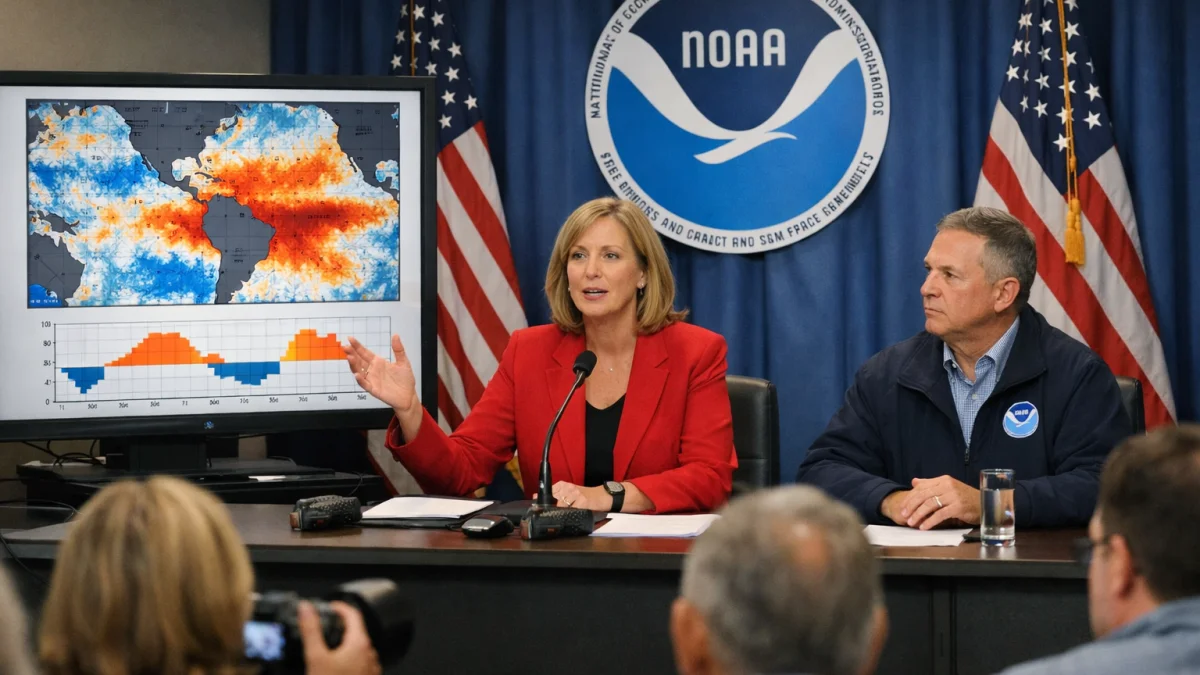


WASHINGTON — The U.S. National Oceanic and Atmospheric Administration (NOAA) has officially declared that El Niño conditions have developed in the tropical Pacific Ocean, issuing an El Niño Advisory on Thursday and signaling the beginning of a climate pattern expected to influence weather conditions worldwide through the coming months. NOAA officials said the declaration followed sustained warming of ocean waters in the equatorial Pacific and accompanying atmospheric changes consistent with El Niño.
The announcement was made by NOAA’s Climate Prediction Center and National Weather Service as part of the agency’s monthly assessment of the El Niño-Southern Oscillation, or ENSO, a recurring climate phenomenon that affects global temperature, rainfall and storm patterns. Under NOAA criteria, an El Niño event is declared when sea-surface temperatures in the central and eastern tropical Pacific remain sufficiently above average and are accompanied by changes in atmospheric circulation.


According to NOAA, forecasters expect the event to strengthen during the second half of 2026. Agency projections indicate a significant probability that El Niño could reach moderate to strong intensity by the Northern Hemisphere autumn and winter. NOAA said there is a 63% chance that warming in the monitored region of the Pacific could exceed thresholds associated with a very strong El Niño event.
“Every El Niño is not the same; each one is unique with its own imprint on our weather,” National Weather Service Director Ken Graham said in a statement released by NOAA. “Advanced monitoring and an improved understanding of El Niño patterns allow the NWS to better predict and better prepare the public and our core partners for what is to come.”
Scientists have been anticipating the development for several months. Earlier forecasts from NOAA and the World Meteorological Organization (WMO) indicated increasing odds that warming ocean temperatures would transition the Pacific from neutral conditions into El Niño during mid-2026. In early June, the WMO said there was a high likelihood of El Niño emerging during the June-August period and persisting into late 2026.
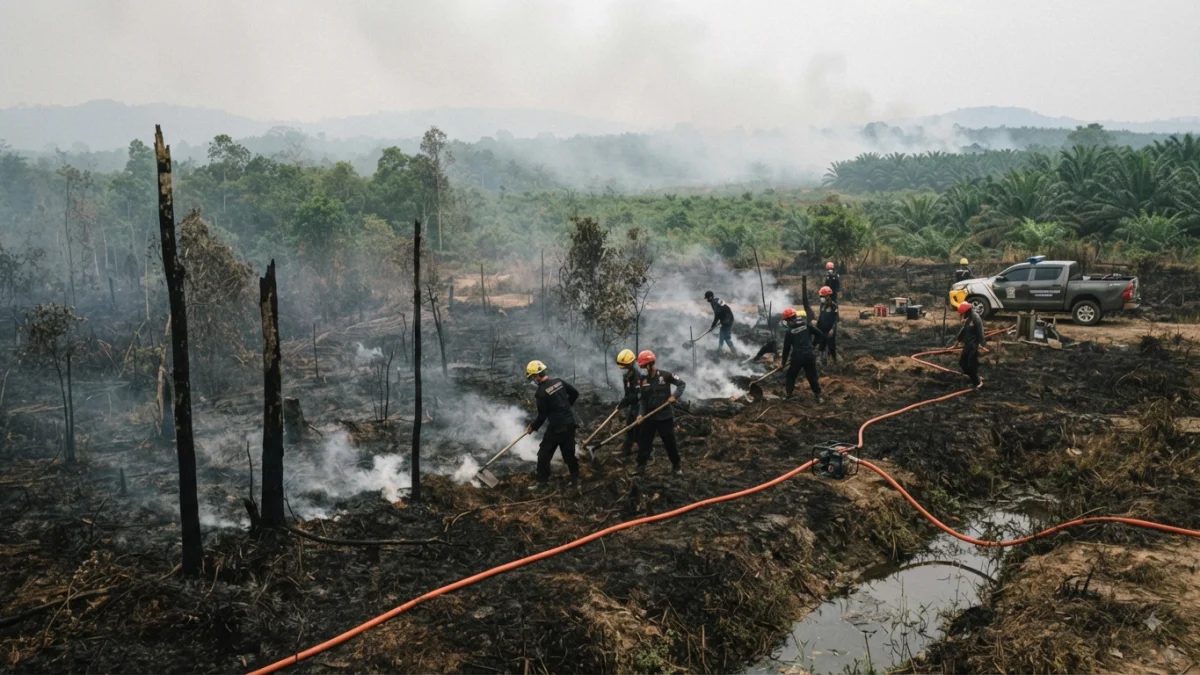
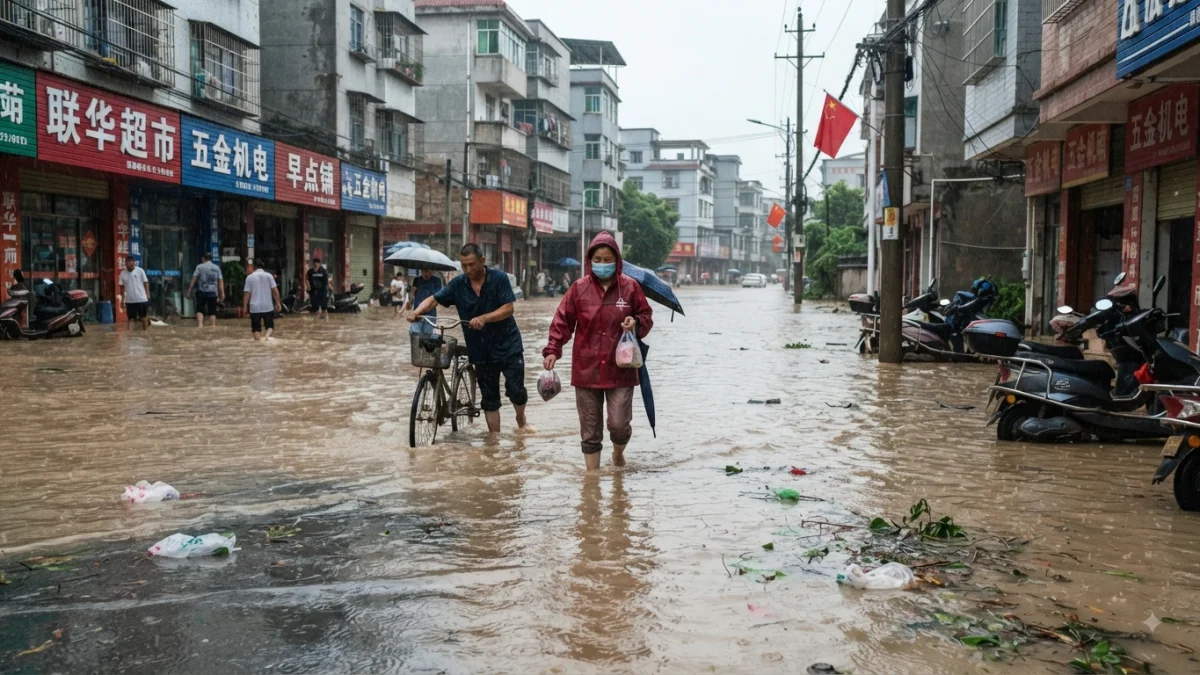
El Niño events typically alter weather patterns across many regions of the world. NOAA says the phenomenon often contributes to warmer winter conditions in parts of the northern United States, changes in storm tracks, shifts in rainfall patterns and variations in hurricane activity. The strongest impacts generally occur during the Northern Hemisphere winter months.
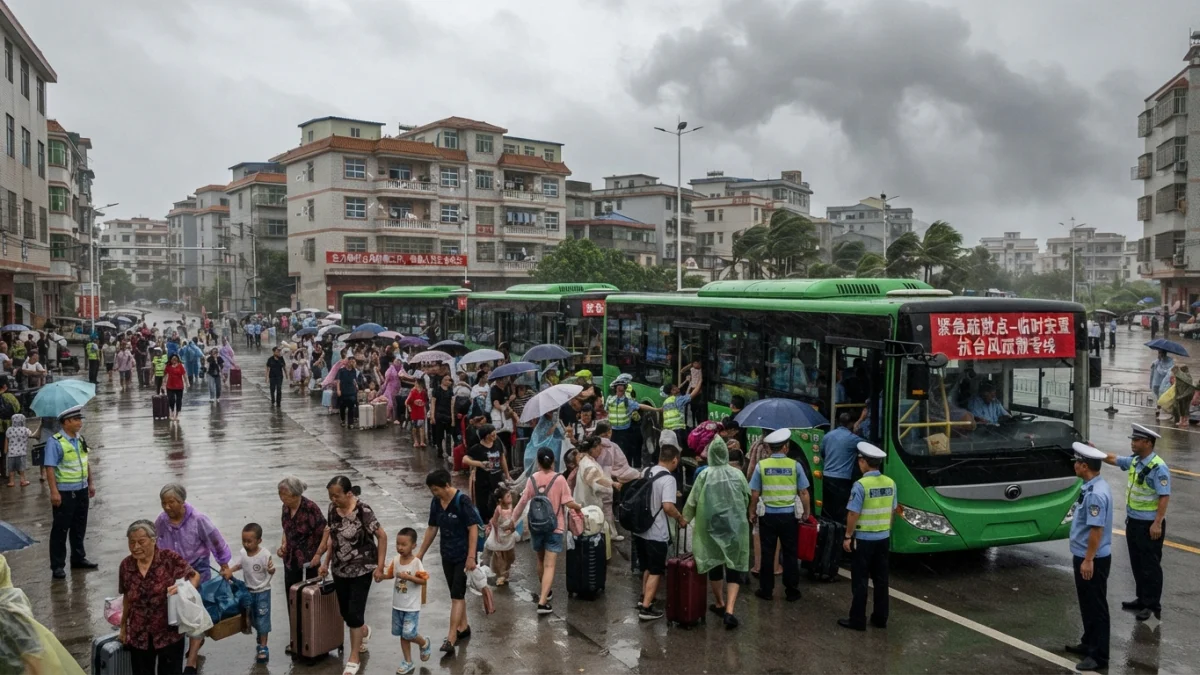
International agencies have urged governments, businesses and emergency planners to monitor forecasts closely. WMO Secretary-General Celeste Saulo said earlier this month that advance seasonal forecasts and early-warning systems were important for helping communities prepare for potential impacts on agriculture, water resources and disaster response.
As of Monday, NOAA's advisory remained in effect. Forecasters said oceanic and atmospheric conditions would continue to be monitored, with updated assessments scheduled in the coming months. Details regarding the eventual strength and duration of the event remain subject to future observations.