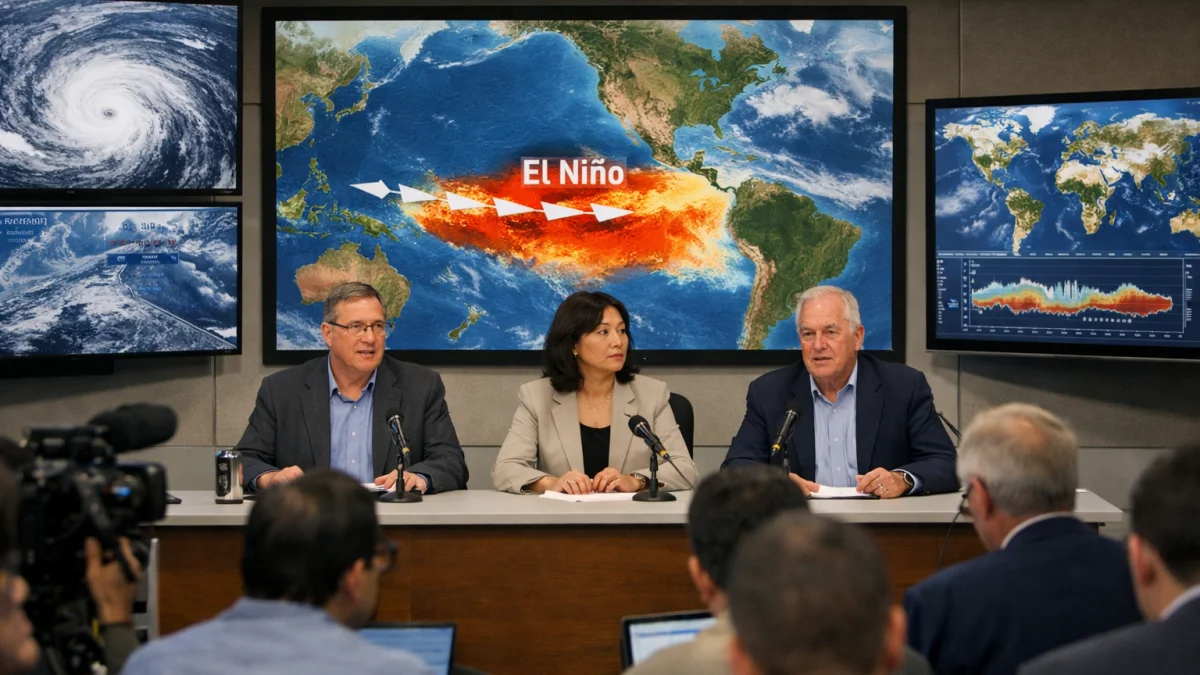


GENEVA — The U.S. National Oceanic and Atmospheric Administration (NOAA) has officially declared El Niño conditions in the tropical Pacific, with forecasters expecting the pattern to strengthen into the Northern Hemisphere winter of 2026-27.
The declaration, issued on June 11, 2026, follows confirmation that sea surface temperatures in the key Niño 3.4 region have remained at least 0.5 degrees Celsius above average, accompanied by consistent atmospheric changes. The World Meteorological Organization and other agencies have aligned with the assessment.


NOAA’s Climate Prediction Center stated that El Niño conditions are present and are forecast to intensify. “There is a 63% chance of a very strong El Niño during November-January that would rank among the largest El Niño events in the historical record going back to 1950,” the center said in its diagnostic discussion.
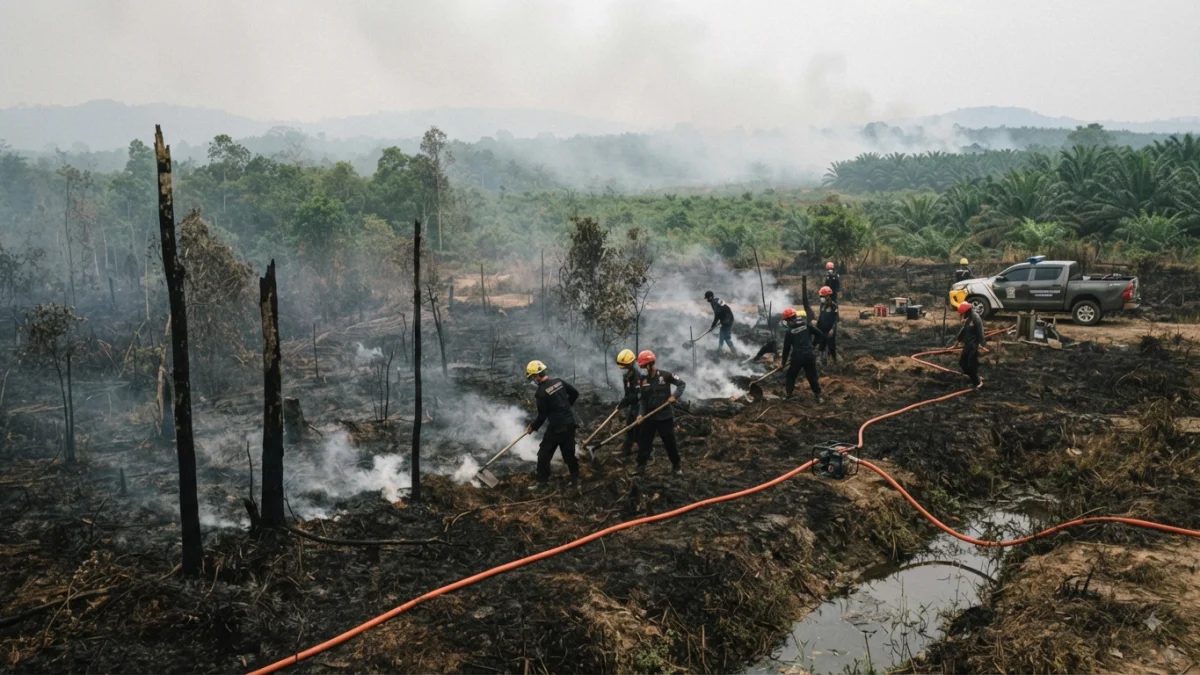
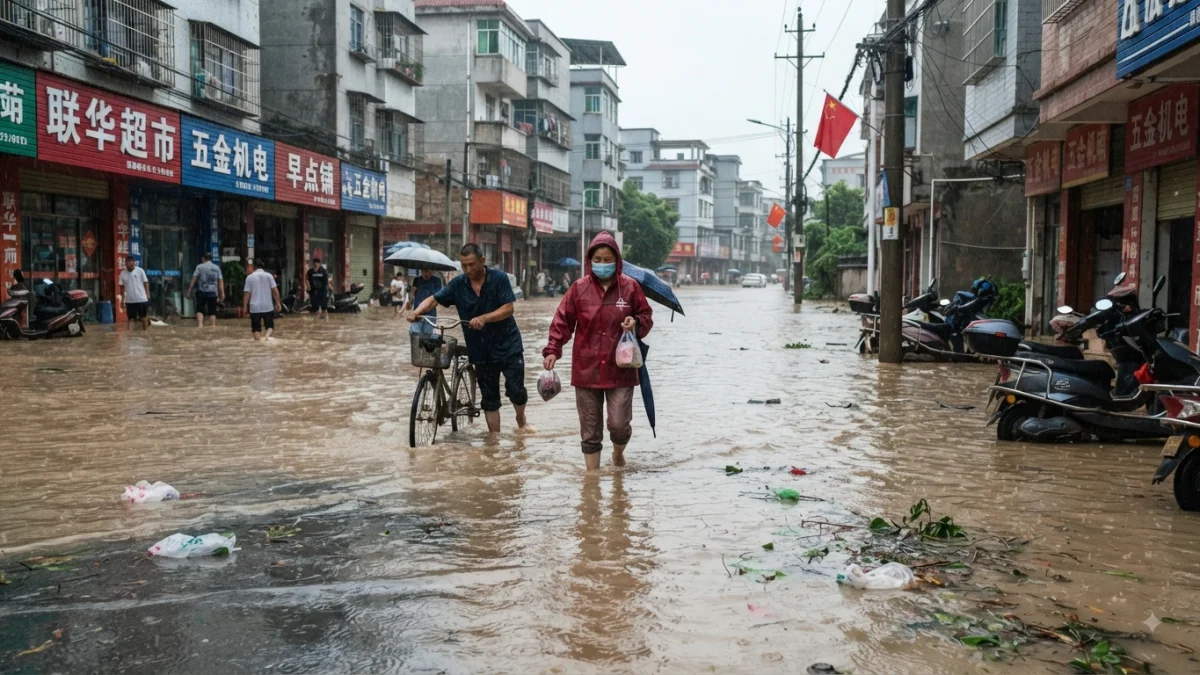
El Niño, the warm phase of the El Niño-Southern Oscillation (ENSO), typically alters global rainfall and temperature patterns. It is associated with increased risks of heavy rainfall and flooding in parts of the southern United States, southern South America and the Horn of Africa, while drier conditions are more likely in Australia, Indonesia, parts of Southeast Asia and northern South America, according to historical patterns cited by forecasters.
The developing event comes after a period of La Niña conditions earlier in the year. Models from the North American Multi-Model Ensemble indicate high confidence in continued warming, supported by anomalously high oceanic heat content and expanding westerly wind anomalies.
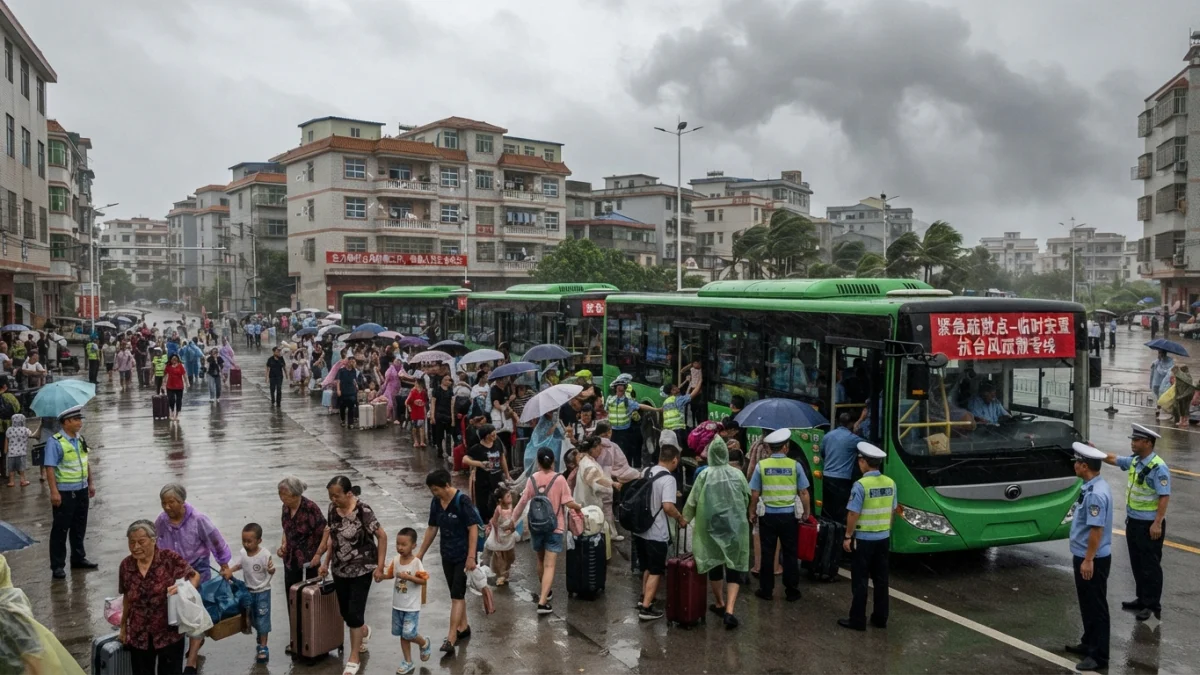
Experts have noted that El Niño events can amplify extreme weather, including heat waves and shifts in tropical rainfall distribution. The World Meteorological Organization has urged preparedness for potential impacts on agriculture, water resources and disaster risk in vulnerable regions.
Global temperatures are also likely to be influenced, with strong El Niño episodes historically contributing to elevated average warmth worldwide, though the precise magnitude for 2026 remains subject to ongoing monitoring.
As of mid-June 2026, no specific new international aid or response packages tied directly to the declaration have been detailed in public statements. Officials continue to monitor developments, with updated forecasts expected in coming weeks.
The G7 summit and other international forums have referenced broader climate challenges, but details on coordinated actions specifically addressing this El Niño event were not immediately available. Forecasters emphasized that while probabilities favor a strong event, outcomes can vary by region.
Monitoring of the phenomenon will continue through international climate centers.