

GENEVA — El Niño conditions have been officially declared, with international weather agencies warning that the climate phenomenon could influence temperature and rainfall patterns across large parts of the world in the coming months.
The U.S. National Oceanic and Atmospheric Administration (NOAA) said on June 11 that El Niño conditions had developed in the tropical Pacific Ocean, while the World Meteorological Organization (WMO) said earlier this month that warming ocean waters were fueling the event and increasing the likelihood of weather-related disruptions worldwide.


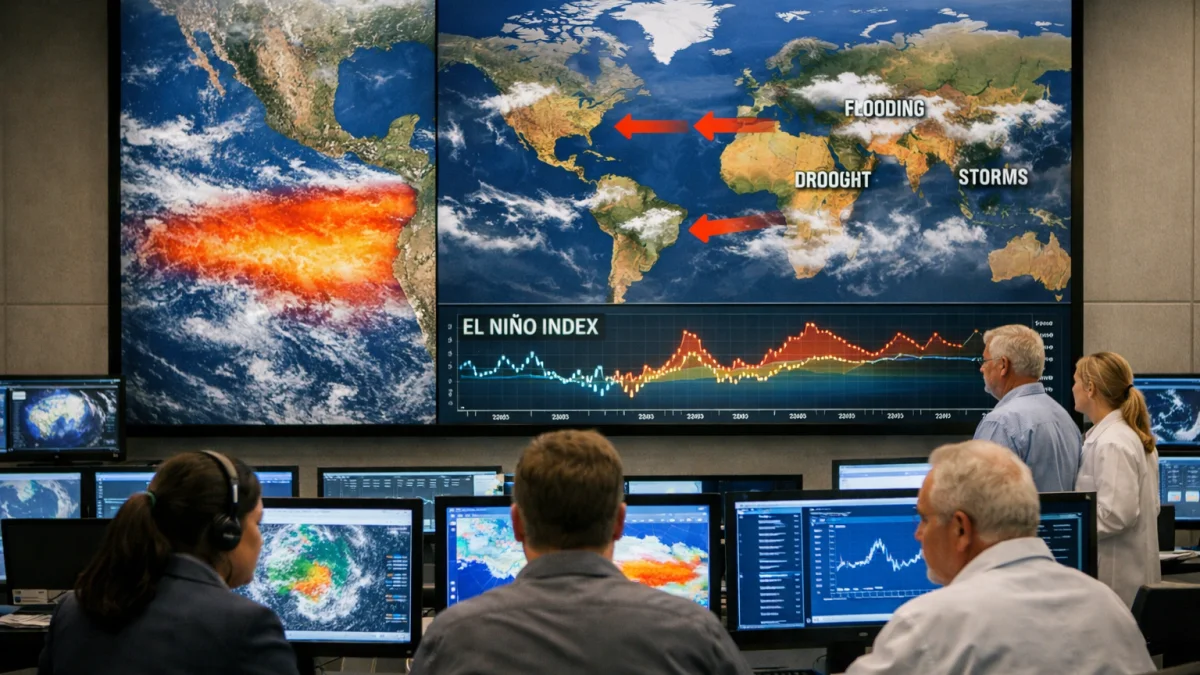
El Niño is a naturally occurring climate pattern characterized by above-average sea surface temperatures in the central and eastern equatorial Pacific Ocean. The phenomenon typically develops every two to seven years and can alter weather conditions far beyond the Pacific region.
According to NOAA’s Climate Prediction Center, El Niño conditions emerged during the past month and are expected to strengthen through the Northern Hemisphere winter of 2026-27. The agency said the event could affect rainfall, temperature patterns and storm activity in various regions.
The WMO said there was a high probability that El Niño would persist through the remainder of the year. In a statement issued on June 2, WMO Secretary-General Celeste Saulo said: “This update matters because El Niño is a major driver of global weather and climate patterns.”
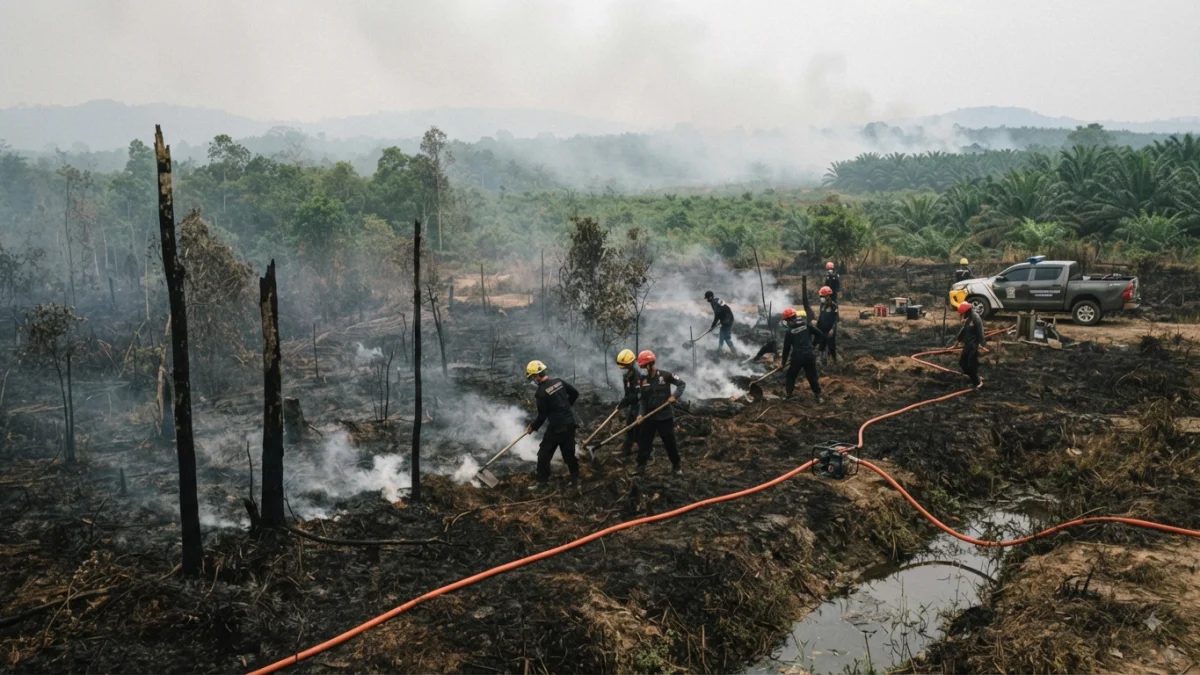
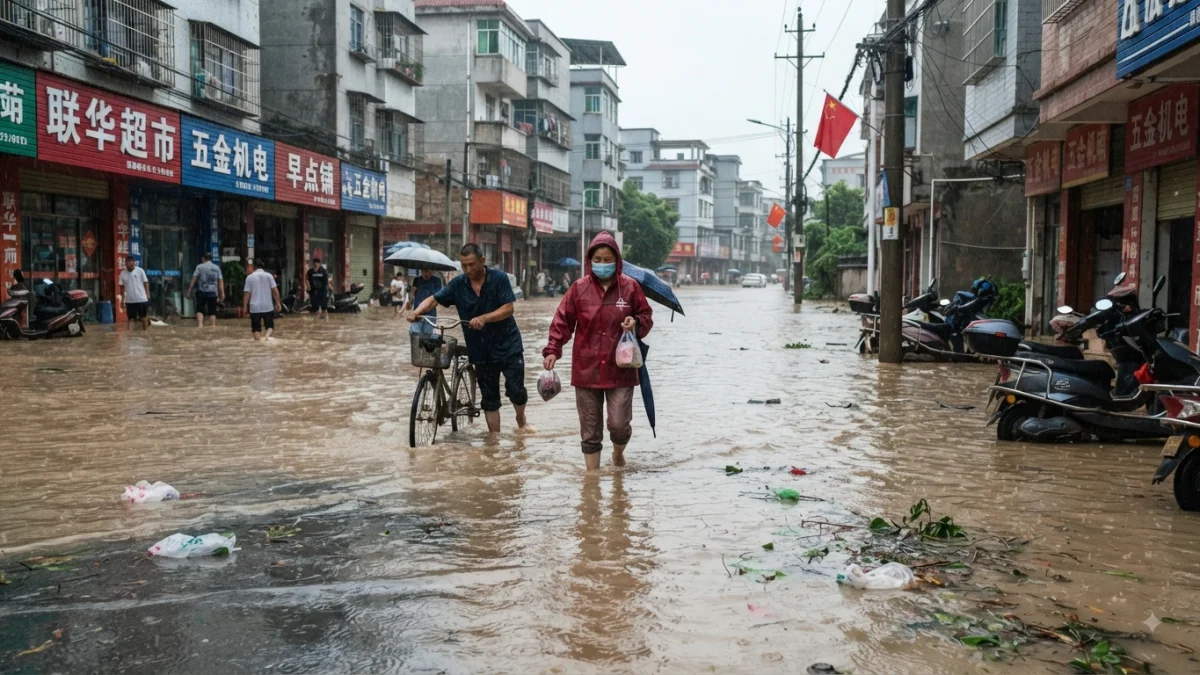
Weather agencies said the effects of El Niño vary by region. Previous events have been associated with heavier rainfall in parts of the Americas and East Africa, while contributing to drier conditions in areas including Australia, Indonesia and portions of South Asia. Forecasters cautioned that impacts differ from one event to another and that regional forecasts remain essential.
The WMO said above-average temperatures are expected across much of the globe during the June-to-August period. Officials also noted that El Niño can increase the likelihood of some weather extremes, including heatwaves and episodes of heavy rainfall, although local outcomes depend on additional climate factors.
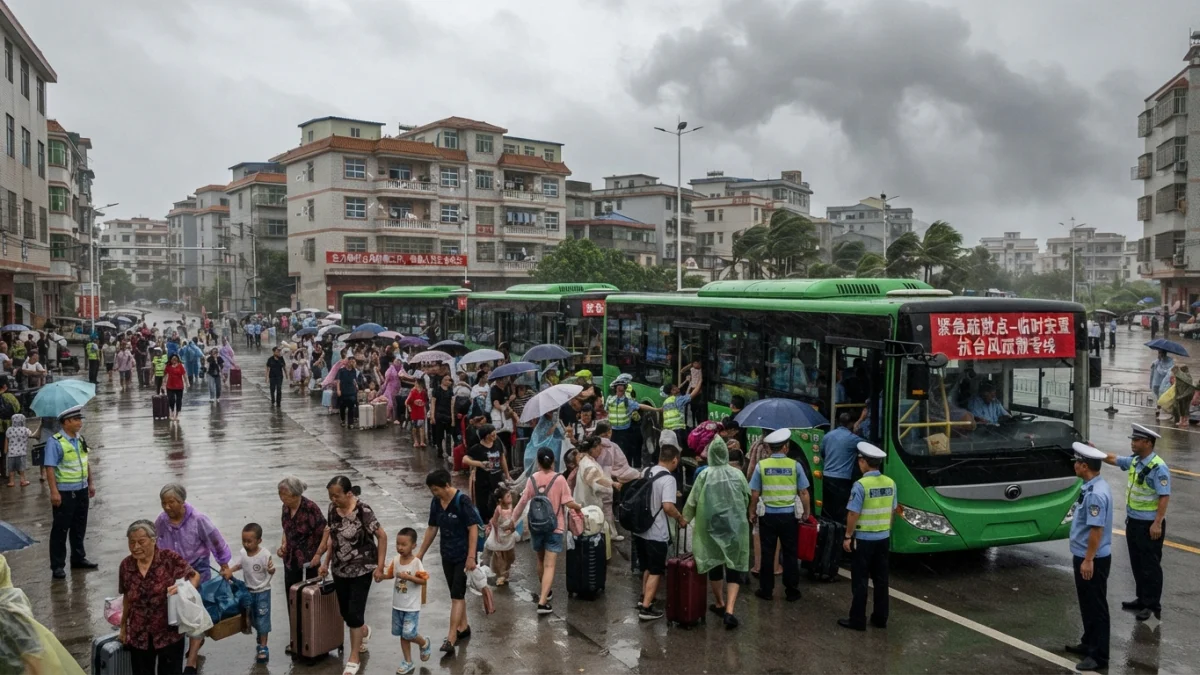
Governments, humanitarian organizations and agricultural agencies are monitoring forecasts closely because El Niño can affect food production, water resources, energy systems and disaster preparedness efforts.
The latest assessments from NOAA and the WMO indicate that El Niño is now established and is expected to continue developing during the second half of 2026. Forecast agencies said monitoring will continue in the coming months as updated outlooks are issued and regional authorities prepare for potential weather-related impacts.