

GENEVA — Scientists have confirmed the return of El Niño conditions in the Pacific Ocean, raising the probability that 2027 could become the warmest year on record globally, according to forecasts from international climate agencies.
The U.S. National Oceanic and Atmospheric Administration (NOAA) declared on Thursday that El Niño has begun, with a 63% chance it will strengthen into a very strong event by late 2026. The World Meteorological Organization (WMO) has similarly highlighted the development, noting its potential to amplify global temperatures on top of long-term human-caused warming.


El Niño is a naturally occurring climate pattern characterized by warmer-than-average sea surface temperatures in the central and eastern tropical Pacific. It typically influences global weather patterns for months to a year, often leading to elevated average temperatures worldwide. The current event follows a period of La Niña conditions that had moderated temperatures somewhat after the record warmth of 2024.
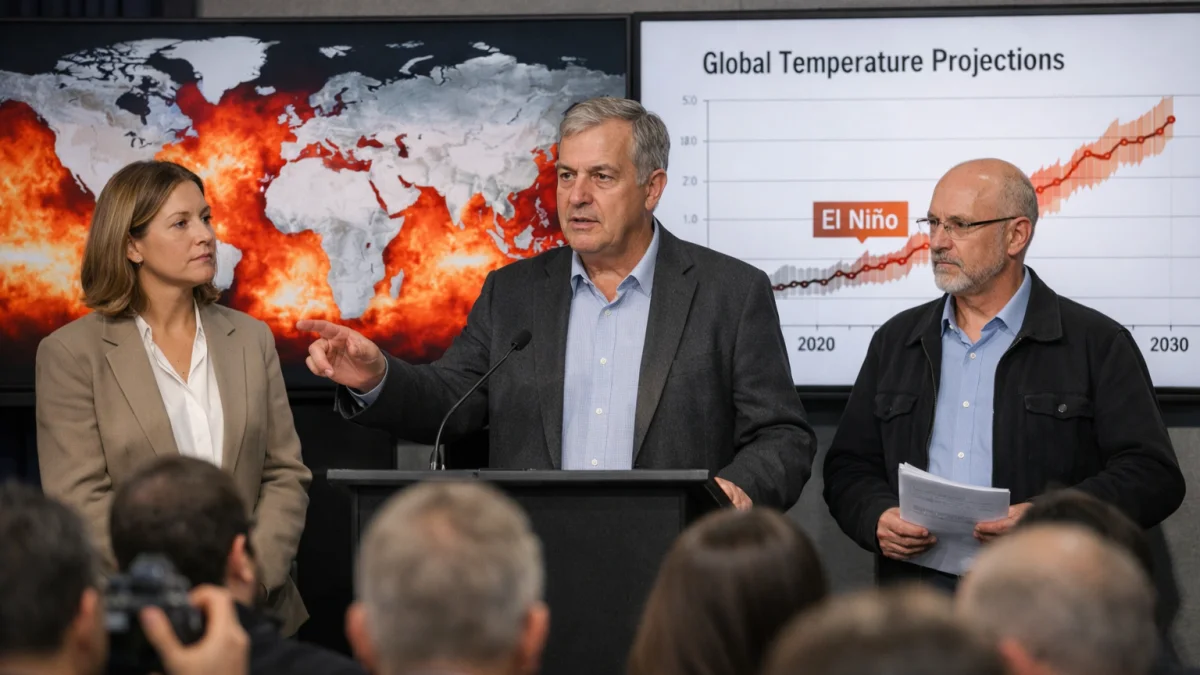
“The prediction of El Niño for the second half of 2026 increases the chances of the following year, 2027, being the next record-breaking year,” Leon Hermanson, lead author of the WMO’s latest update, said in a statement.
Forecasters expect the pattern to peak toward the end of 2026 and into early 2027. NOAA has indicated a significant likelihood that sea surface temperature anomalies could exceed 2 degrees Celsius above average during the Northern Hemisphere winter, potentially placing it among the strongest events since records began in 1950.
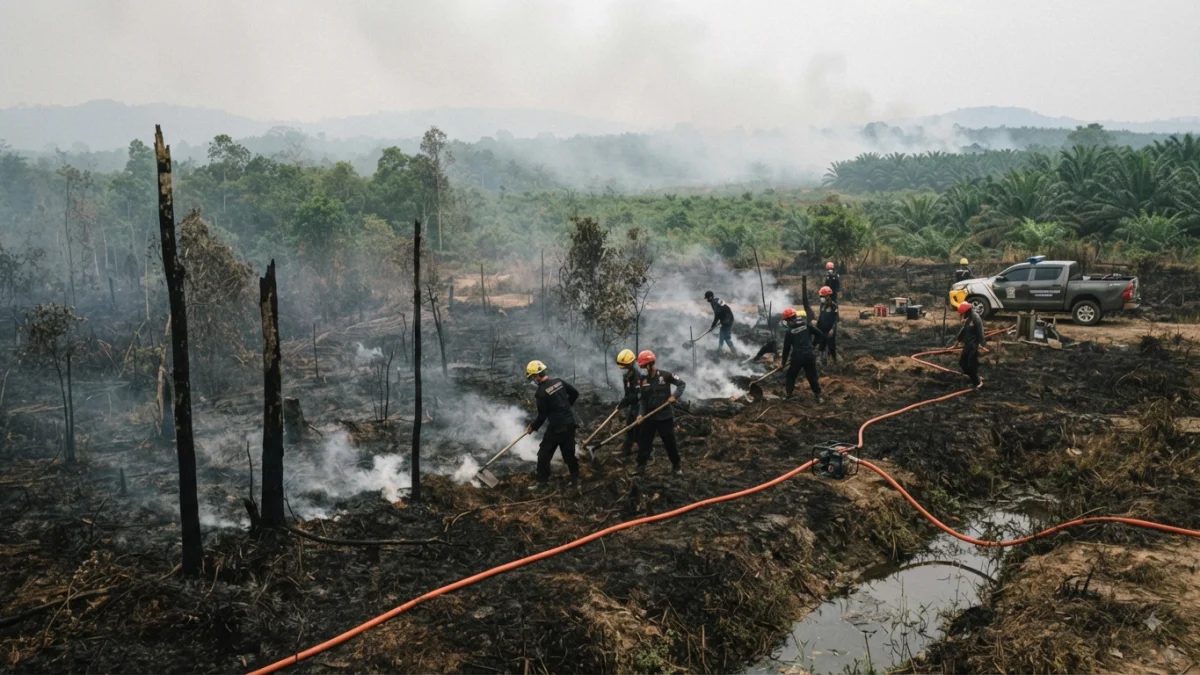
The combination of El Niño and ongoing climate change is expected to drive widespread weather disruptions, including increased risks of heavy rainfall and flooding in some regions such as parts of the southern United States, eastern Africa and China, while heightening drought and wildfire potential in areas including Indonesia, Australia and southern Africa.
Global temperature records have been frequently broken in recent years, with 2024 currently holding the mark as the warmest year. While 2026 is already on track to rank among the warmest years, the full warming influence of a strong El Niño is more likely to manifest in 2027, according to multiple assessments.
Some climate scientists, including those contributing to WMO reports, have noted an elevated chance of at least one year between 2026 and 2030 exceeding the 2024 record, with probabilities revised upward in recent outlooks. Details on the precise strength and duration of the current El Niño remain subject to monitoring as conditions evolve.
The WMO and NOAA continue to track developments, with further updates expected in coming months. No official global temperature projections for 2027 have been finalized, as outcomes will depend on the event’s intensity and other climate factors.