

WASHINGTON — El Niño conditions have developed in the tropical Pacific and are expected to strengthen through the second half of 2026, according to forecasts released by the U.S. National Oceanic and Atmospheric Administration (NOAA), raising the likelihood of significant shifts in global weather patterns later this year.
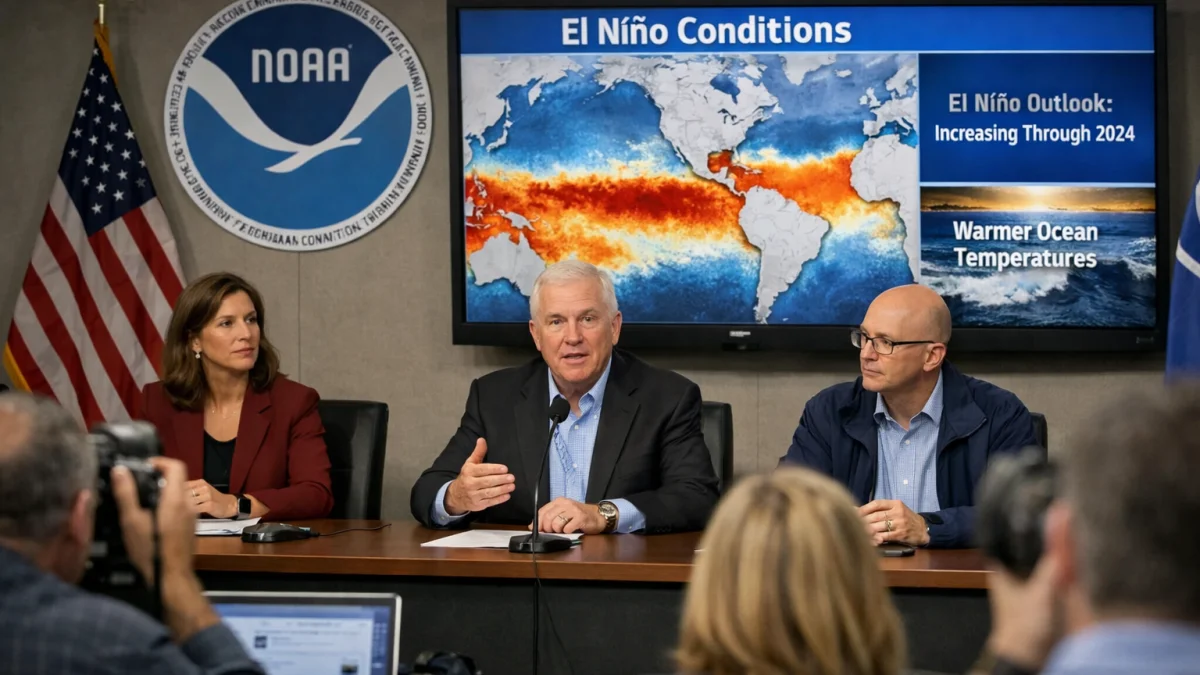
NOAA’s Climate Prediction Center said on June 11 that El Niño conditions were present and likely to intensify into the Northern Hemisphere winter of 2026-27. The agency issued an El Niño Advisory, replacing earlier watch status after ocean temperatures in the central and eastern Pacific rose above seasonal averages. NOAA forecasts indicate a strong El Niño is likely by late 2026, with a significant probability that the event could become very strong by the end of the year.


“El Niño conditions are present and expected to strengthen into the Northern Hemisphere winter 2026-27,” the Climate Prediction Center said in its latest diagnostic discussion.
El Niño is a naturally occurring climate pattern characterized by unusually warm sea-surface temperatures across parts of the equatorial Pacific Ocean. The phenomenon can influence weather worldwide, often altering rainfall patterns, temperatures and storm activity. Scientists caution that the effects vary by region and from one event to another.
According to NOAA, there is a high likelihood that El Niño will persist through the remainder of 2026. Forecast models reviewed by the agency suggest warming in the Pacific could continue to strengthen during the autumn months. Experimental forecasts from NOAA’s Geophysical Fluid Dynamics Laboratory also indicate a high probability of a very strong El Niño developing by fall or early winter.
The World Meteorological Organization (WMO) has issued similar assessments. In an update released earlier this month, the U.N. agency said there was an approximately 80% chance of El Niño conditions during the June-August period and a near 90% probability that the pattern would continue later in the year. The organization said El Niño typically contributes to higher global temperatures and increases the risk of extreme weather in some regions.
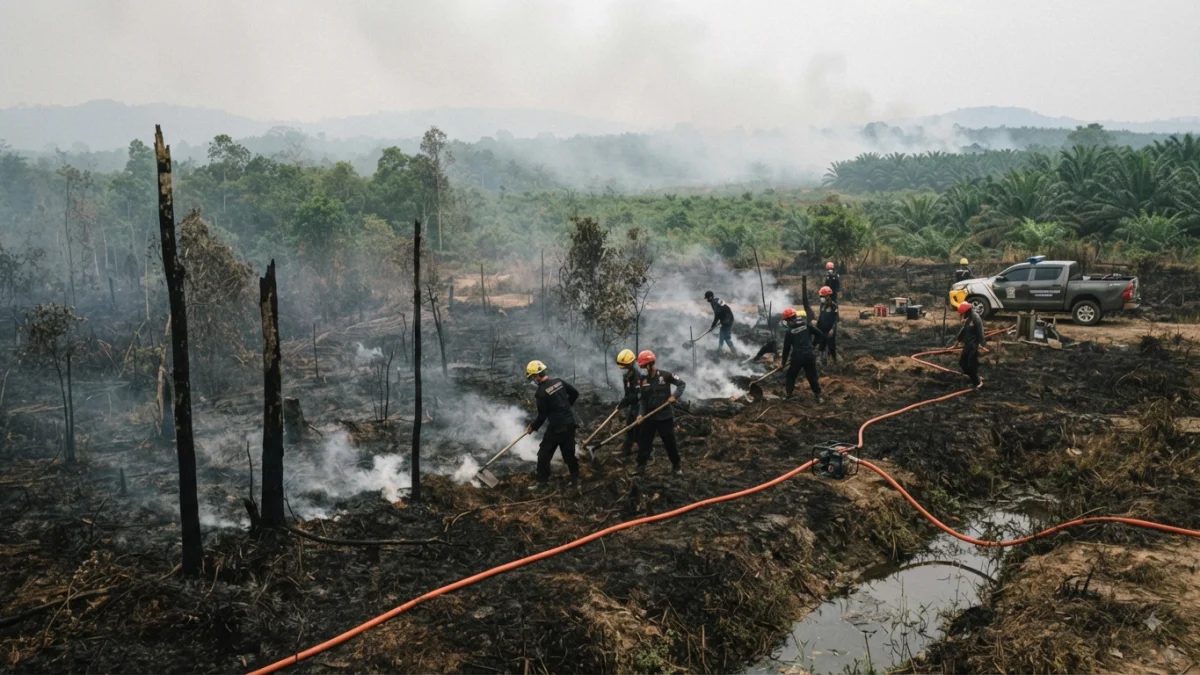
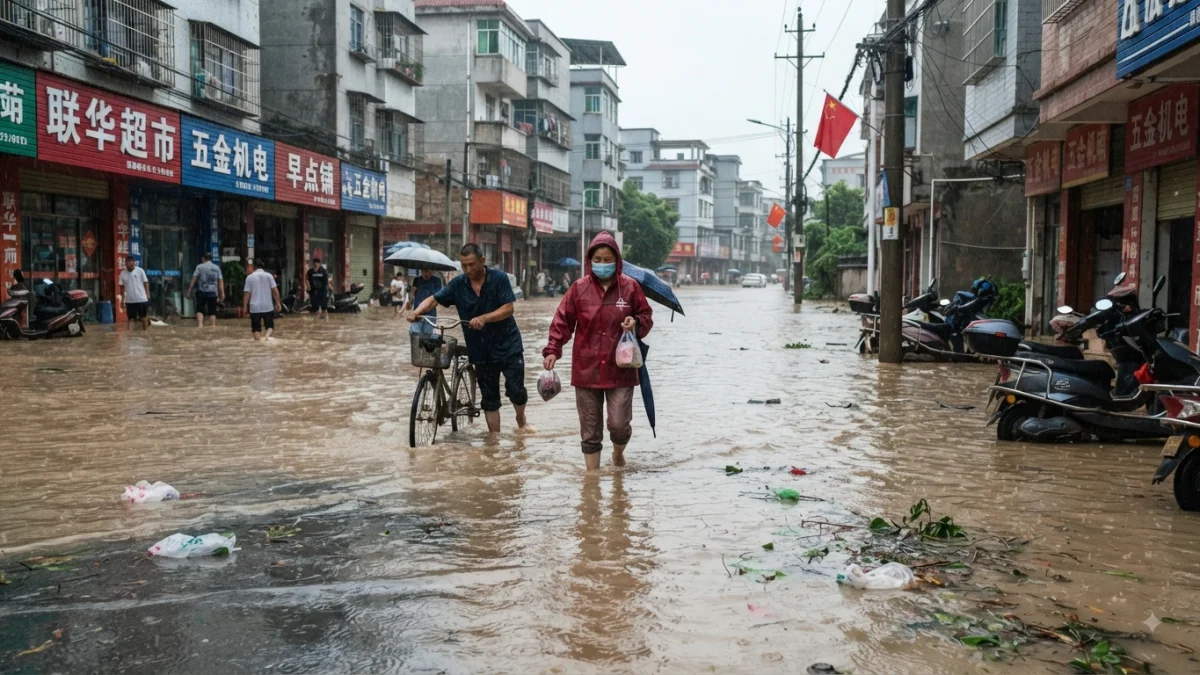
Forecasters said potential impacts could include heavier rainfall in some parts of the Americas, drier conditions in portions of Asia and Australia, and changes in tropical cyclone activity. NOAA has already cited the developing El Niño as a factor in its outlook for a below-average Atlantic hurricane season in 2026.
Climate experts emphasized that the exact strength and regional effects of the event remain uncertain. “Every El Niño is different in terms of timing, magnitude, and geographic extent,” Columbia Climate School researcher Andrew Kruczkiewicz said in comments reported by media outlets.
As of June 18, NOAA and international forecasting agencies continued to monitor ocean temperatures and atmospheric conditions, with updated outlooks expected in the coming weeks.