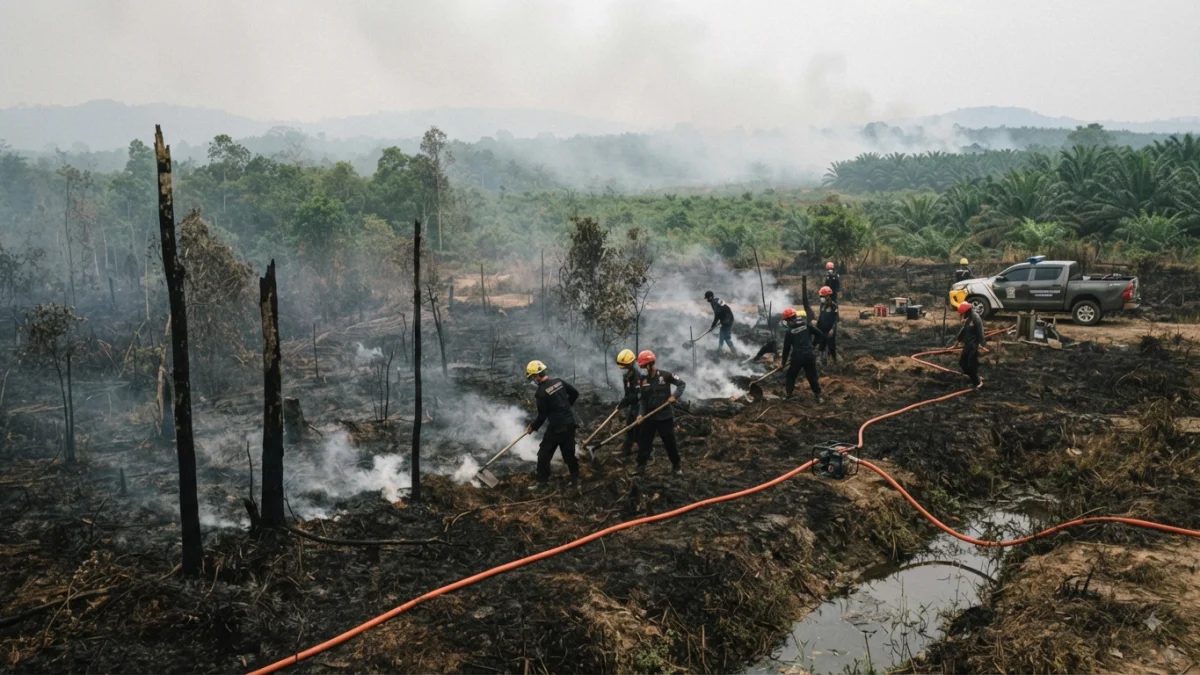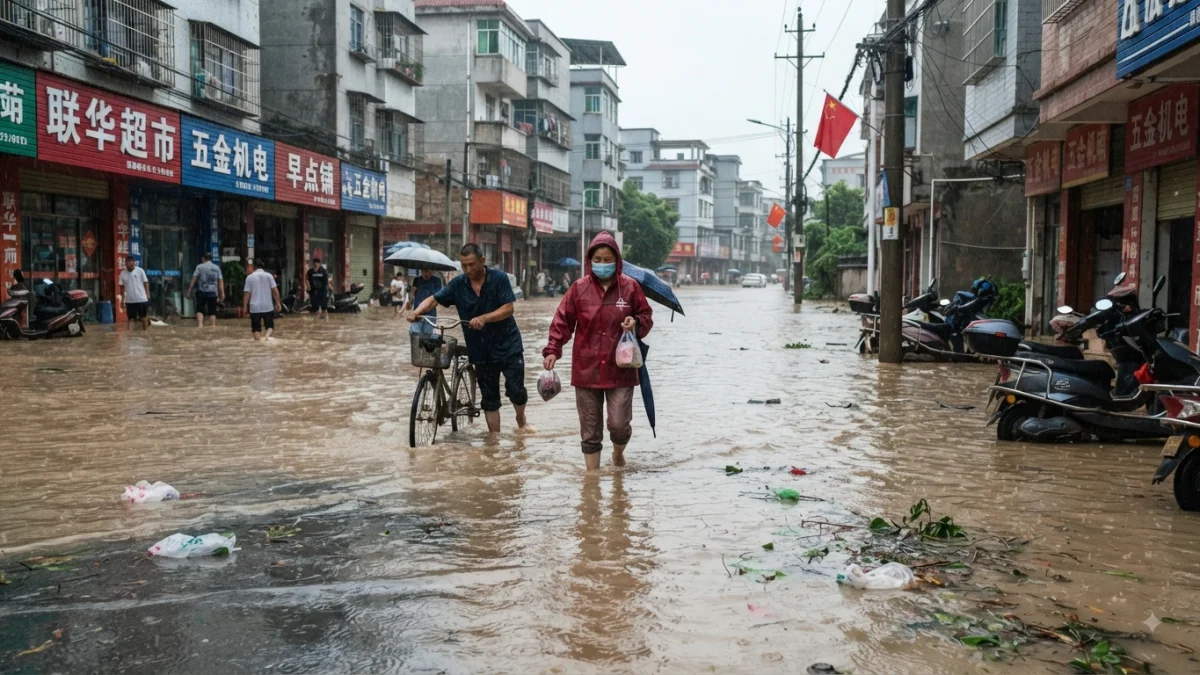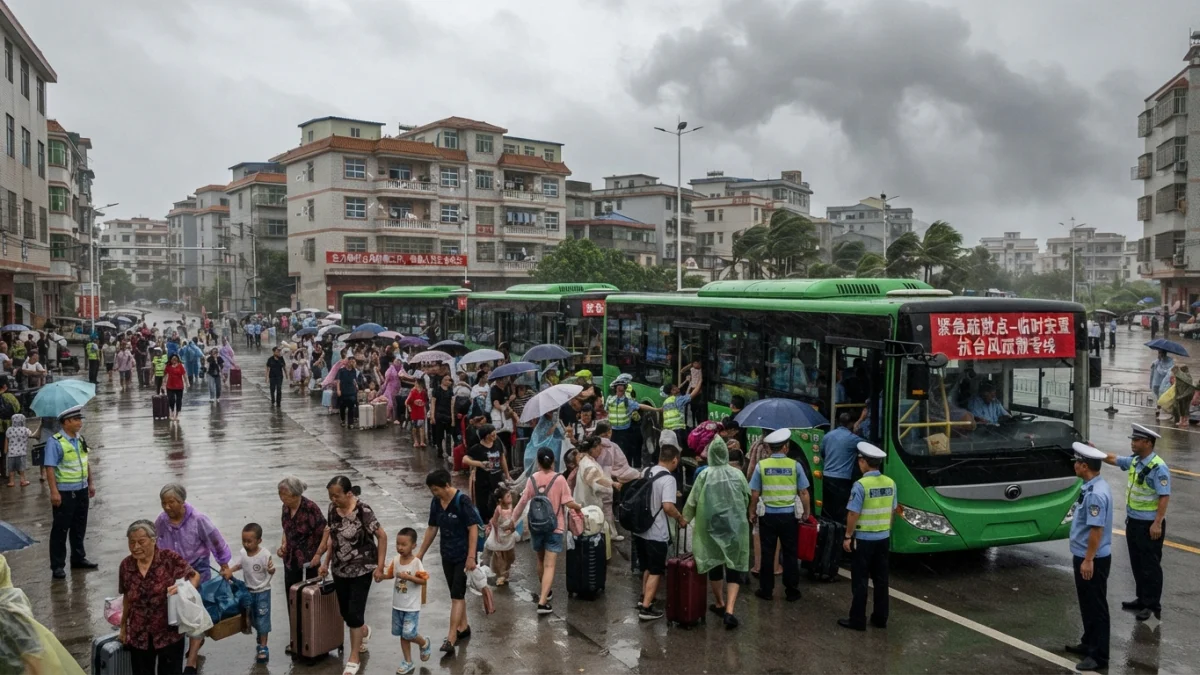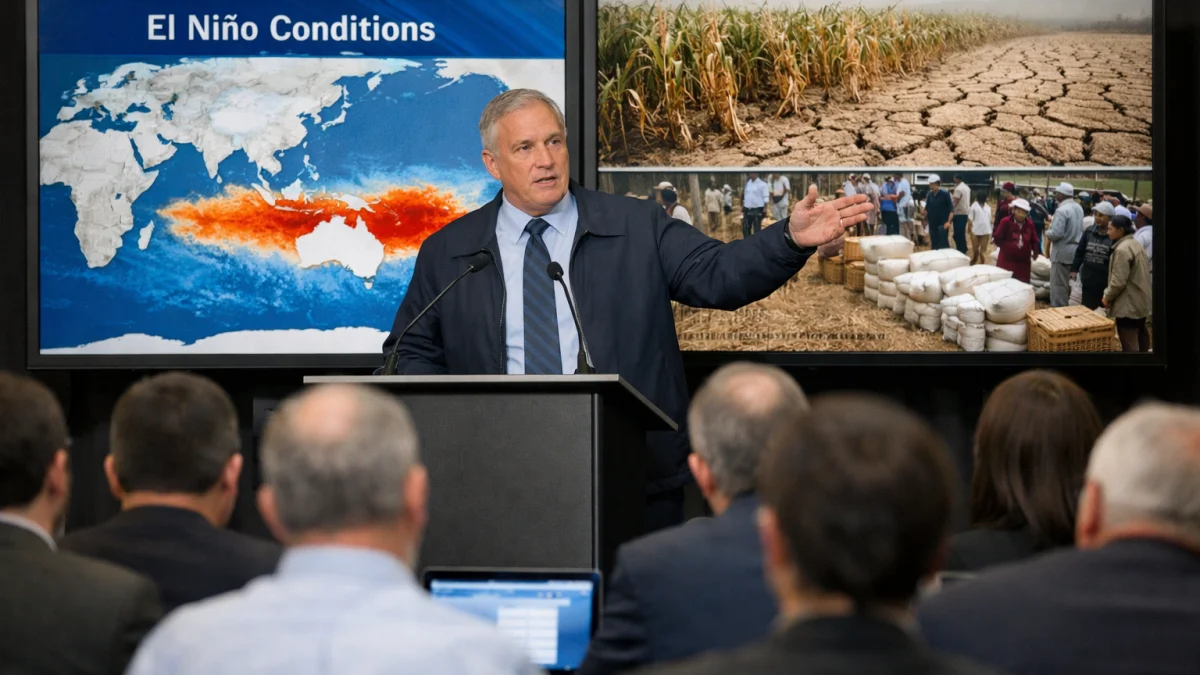


GENEVA — The developing El Niño weather pattern is raising concerns about food security in several regions of the world, with United Nations agencies, climate experts and international financial institutions warning that droughts, floods and heatwaves could disrupt agricultural production and strain vulnerable populations in the months ahead.
The World Meteorological Organization (WMO) said on June 2 that there is an 80% likelihood of El Niño conditions developing during June-August 2026, with the probability rising to near or above 90% through at least November. The agency said the phenomenon is expected to influence global temperature and rainfall patterns and increase the risk of extreme weather events.


Concerns over the potential impact on food supplies have prompted calls for governments to strengthen preparedness measures. The Food and Agriculture Organization (FAO), the International Fund for Agricultural Development (IFAD) and the World Food Programme (WFP) said during a high-level roundtable in May that forecasts of El Niño conditions increase the risk of food insecurity across Latin America and the Caribbean. The agencies urged governments to invest in early action and resilience measures to reduce the impact of climate-related shocks.
“Time for informed decision-making, planning and preparedness is now,” the WMO said in its latest update on El Niño conditions.
International organizations have warned that the effects may vary by region. Reuters reported last week that hot and dry conditions linked to the emerging El Niño pattern were already affecting crop planting and yields in parts of Asia, including rice-growing areas of Southeast Asia and grain-producing regions of India and Australia. Farmers in several countries have reported delayed planting and concerns about reduced harvests if dry conditions persist.
At the same time, some agricultural producers may benefit from altered weather patterns. Reuters reported that experts expect increased rainfall associated with El Niño to support crop production in Argentina, potentially improving yields for soybeans, corn and wheat during the second half of 2026.
The World Bank and other analysts have also cautioned that weather-related disruptions could contribute to higher food prices, particularly in regions already facing economic pressures and supply-chain constraints. Vulnerable populations in food-importing countries are considered especially exposed to price increases and production shortfalls, according to recent assessments.
As of mid-June, governments, humanitarian agencies and meteorological services continued monitoring the developing climate pattern. Forecast agencies said preparations were being expanded in regions considered most vulnerable to drought, flooding and other weather-related disruptions associated with El Niño.