

LONDON — Global energy markets faced renewed volatility on Tuesday as the Iran conflict disrupted shipping through key Middle East routes, pushing oil prices higher and raising concerns over possible impacts on fuel costs, inflation and economic growth.
Brent crude rose to around $89.70 a barrel and U.S. West Texas Intermediate climbed to about $83.82 a barrel as investors assessed continued military tensions, shipping disruptions and diplomatic efforts to reduce the conflict.


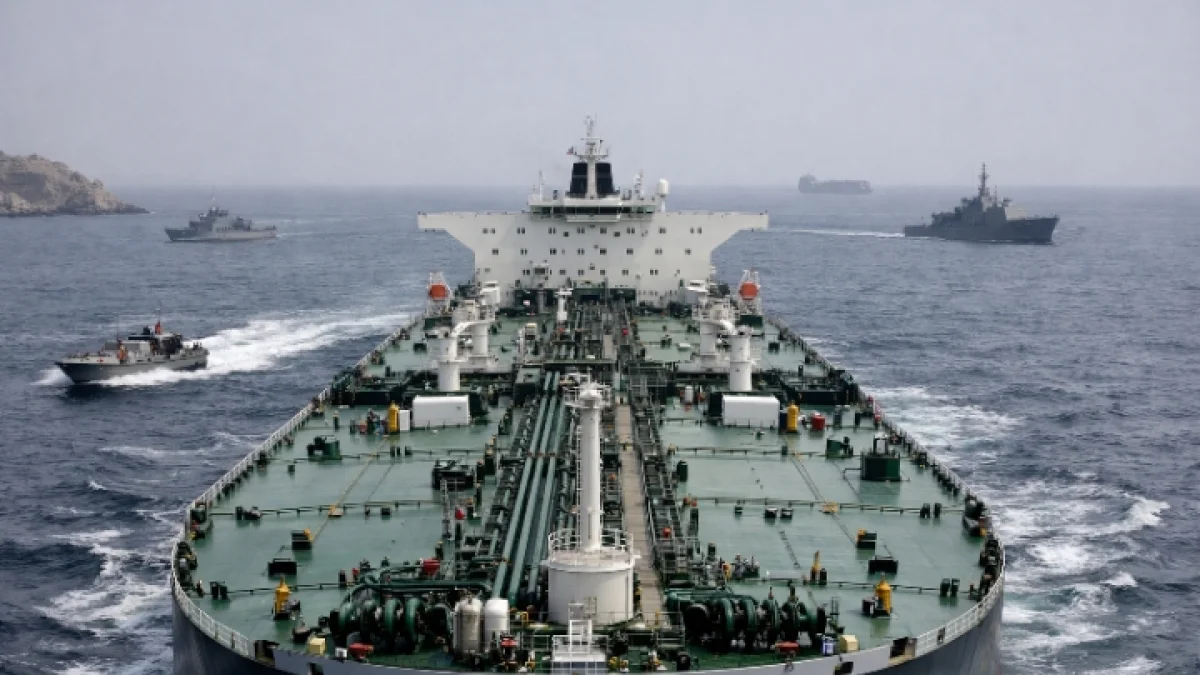
Market moves followed renewed uncertainty over traffic through the Strait of Hormuz, a critical waterway for global energy shipments. A vessel was reported hit in the region, prompting crew evacuation, while shipping activity declined amid heightened security concerns. The United Kingdom, France and Germany have condemned attacks on commercial shipping in the area and called for the restoration of safe navigation.
Energy analysts said the market reaction reflected concerns that prolonged disruption could tighten supplies of crude oil and refined products. The International Monetary Fund said earlier disruptions linked to the conflict had already affected major energy flows, with the Strait of Hormuz representing a significant share of global oil transportation.
The United States and Iran have been engaged in efforts to revive diplomatic arrangements, but renewed hostilities have kept markets focused on the risk of further interruptions. Reports of possible ceasefire discussions have provided some relief, although traders remain sensitive to developments affecting shipping routes and regional infrastructure.
Higher energy prices have added pressure on companies and governments already monitoring inflation risks. Fuel costs influence transportation, manufacturing and consumer prices, creating potential challenges for central banks as they assess monetary policy conditions.
Shipping and energy authorities have continued monitoring safety conditions in the Gulf region. The International Maritime Organization previously paused an evacuation operation for vessels in the area after an attack on a ship, citing the need to reassess safety guarantees for crews and maritime traffic.
The U.S. Energy Information Administration has said global oil production and trade flows could recover if stability returns and shipping through the Strait of Hormuz improves, but current market conditions remain dependent on the course of the conflict.
Investors are awaiting further official updates on diplomatic efforts, shipping activity and regional security conditions as energy markets continue to respond to developments in the Iran conflict.