

WASHINGTON — The U.S. Environmental Protection Agency is moving forward with plans to reduce and eventually eliminate most mammalian animal testing in its regulatory programs, advancing a policy that agency officials say will expand the use of alternative scientific methods while maintaining chemical and pesticide safety reviews.
EPA Administrator Lee Zeldin announced in January that the agency was recommitting to a goal of ending mammalian testing by 2035, reviving targets first established during President Donald Trump’s first administration. The agency said it would prioritize the development and use of non-animal testing methods for evaluating chemicals and pesticides while continuing to meet statutory and regulatory requirements.


In recent weeks, the EPA has taken additional steps to implement that policy. According to agency materials and stakeholder statements released in June, the EPA expanded the list of approved alternatives to animal studies and introduced a streamlined process allowing researchers, companies and other organizations to submit new non-animal testing approaches for consideration in regulatory reviews.
“EPA is renewing its commitment to reducing mammalian animal testing, with the ambitious goal of eliminating the practice by 2035,” the agency said in a January statement announcing the initiative. The EPA said it would focus on alternatives to testing involving vertebrate mammals such as rabbits, mice, rats and dogs.
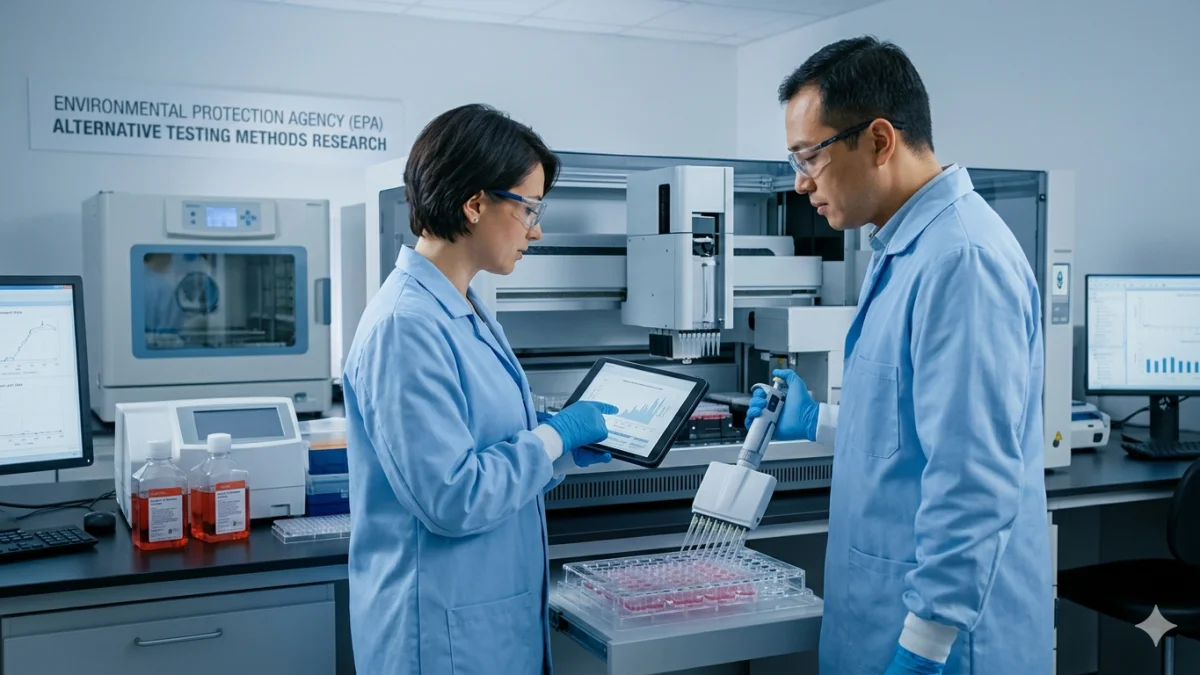
The effort centers on what regulators refer to as New Approach Methodologies, or NAMs. These include computer-based models, laboratory-grown tissues, advanced cell cultures and other techniques intended to assess potential chemical risks without relying on traditional animal studies. EPA documents state that the agency's existing work plan aims to reduce vertebrate animal testing while continuing to protect human health and the environment.
Animal welfare organizations welcomed the latest actions. Humane World Action Fund said the EPA’s June measures represented further progress toward replacing animal testing in chemical and pesticide assessments. The organization also called for broader adoption of alternative methods across federal agencies.
The EPA’s initiative coincides with broader federal efforts to reduce reliance on animal testing. In March, the U.S. Food and Drug Administration issued draft guidance encouraging drug developers to use non-animal testing methods, including computer simulations and laboratory models that mimic human organs, where scientifically appropriate.
Some scientists and industry stakeholders have cautioned that alternative methods must undergo rigorous validation before replacing established testing protocols. EPA officials have said the transition will proceed in accordance with legal requirements and scientific standards.
As of June 9, the EPA said it remained committed to its 2035 target while continuing to develop guidance, evaluate new testing technologies and incorporate alternative methods into chemical and pesticide assessments. Details on future regulatory changes remain under development.