

PARIS — An extreme heatwave shattered temperature records across multiple European nations this week, with France registering its hottest day since measurements began in 1947 as power outages affected tens of thousands of homes, officials said.
Météo-France reported that the national thermal indicator — an average of daytime and nighttime temperatures across dozens of stations — reached 30 degrees Celsius (86 degrees Fahrenheit) on Wednesday, breaking the previous day's record of 29.8C.


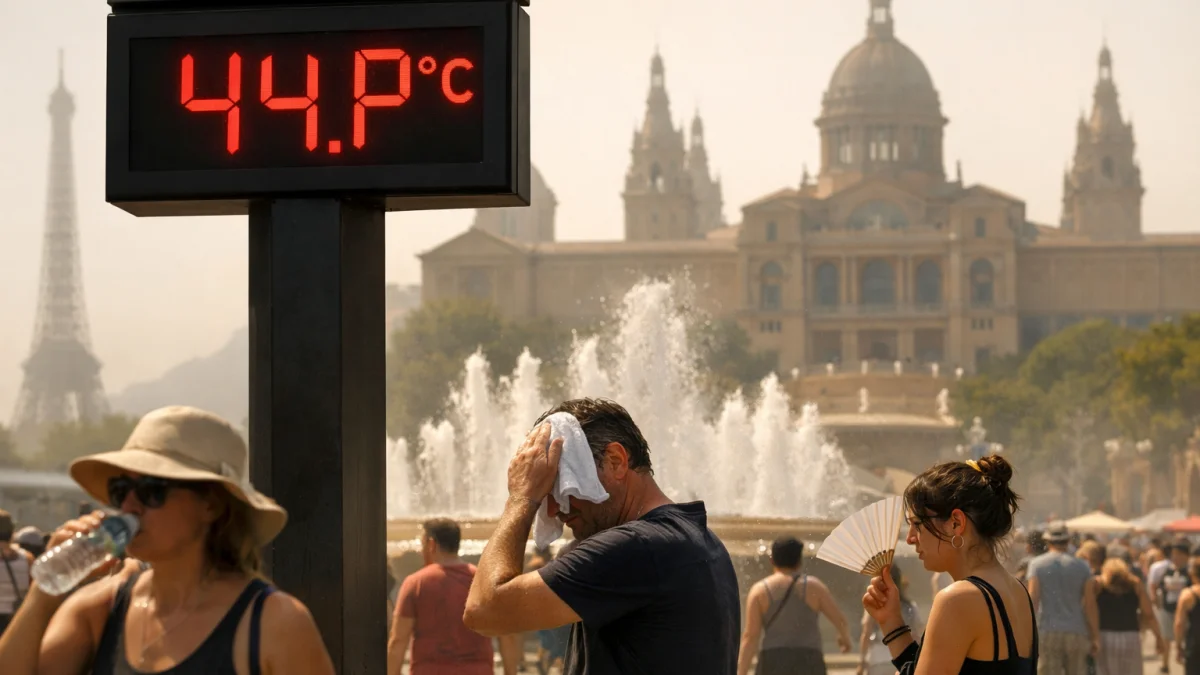
The heatwave, which has impacted western and parts of central Europe since late May, has broken records in countries including France, Spain, Italy, the United Kingdom and Germany. Local temperatures exceeded 40C (104F) in many areas, with a high of 44.3C (111.7F) recorded in Pissos, southwestern France.
In France, authorities reported power outages affecting more than 68,000 households, mainly in western regions such as Brittany, due to strains on the electricity grid from high demand and heat-related issues. Enedis, the power operator, worked to restore supply.
Other nations faced similar challenges. Italy saw blackouts in cities like Turin linked to grid stress, while the United Kingdom and Spain also reported record June temperatures and related disruptions.
Health authorities issued warnings as the extreme conditions persisted. Reports indicated dozens of deaths across Europe linked to the heat, including drownings in France as people sought relief in unsupervised waters. French officials confirmed multiple such incidents.
Schools in affected areas adjusted or canceled classes, museums limited hours, and transportation services faced delays. Red heat alerts covered large parts of France, impacting millions.
Météo-France and European forecasters indicated that high temperatures could continue into the weekend in many regions.
"The thermometer even climbed to 44.3C in Pissos (Landes)," Météo-France stated in a social media update.
The current wave follows earlier warm periods in May and June. Previous national records for France's thermal indicator stood around 29.4C from the 2003 and 2019 heat events.
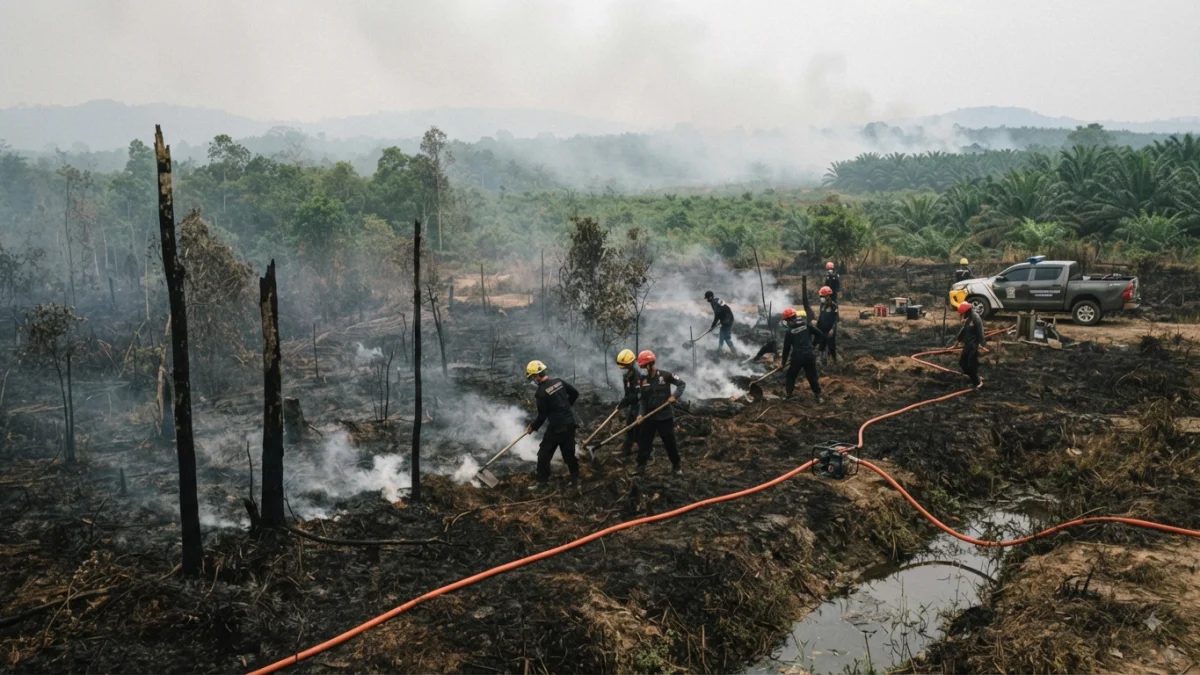
As of Thursday, officials across the continent continued monitoring the situation, with public health advisories in place for vulnerable populations amid ongoing risks of drought and fire. Details on the full scope of impacts remained under assessment.