

WASHINGTON — Federal Reserve officials are closely monitoring signals of potential weakening in the U.S. labor market as recent data show moderating job gains amid broader economic uncertainties, policymakers said on Friday.
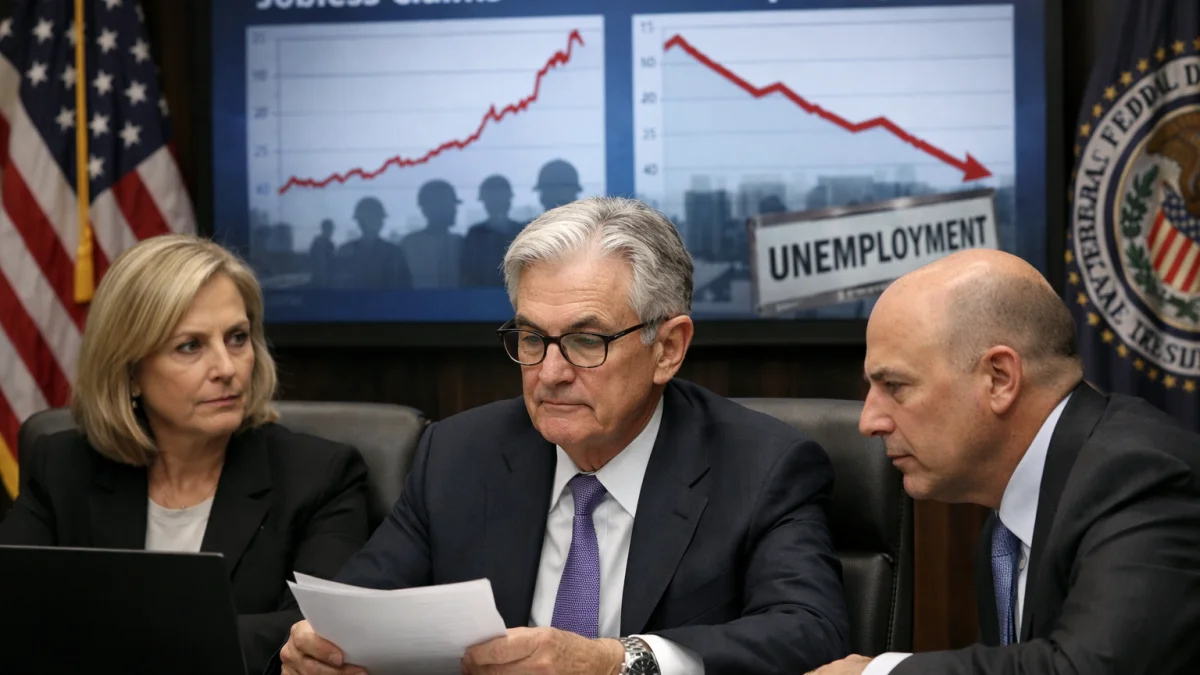
The central bank’s assessment comes ahead of its June policy meeting, with officials noting a shift toward a more balanced labor market after years of tightness. Job growth has slowed from pandemic-era peaks, though the unemployment rate has remained relatively stable around 4.3 percent.


Fed Chair Kevin Warsh and other officials have highlighted mixed indicators, including slower hiring in some sectors and steady unemployment claims. In speeches and statements, policymakers have described the labor market as moving toward equilibrium, with risks on both sides of the Fed’s dual mandate of maximum employment and price stability.
Recent employment reports showed nonfarm payrolls increasing by about 172,000 in May, above some expectations but reflecting a broader cooling trend from prior years, according to the Bureau of Labor Statistics. Job gains were concentrated in sectors such as leisure and hospitality, local government and health care.
“Recent jobs data show that the labor market appears to be stabilizing,” Federal Reserve Governor Christopher Waller said in a May speech, a view echoed in subsequent discussions.
Analysts and Fed watchers have pointed to factors including declining job openings and moderating wage pressures as signs of easing labor market tightness. Earlier analyses noted a slowdown in both labor supply and demand, which has helped keep the unemployment rate from rising sharply.
The monitoring occurs against the backdrop of persistent inflation concerns, which have influenced rate expectations. Officials have emphasized data-dependent decisions, with some market participants adjusting forecasts for potential policy shifts later in 2026. Details on the precise timing or magnitude of any response remain subject to incoming data.
The labor market has shown resilience in key metrics, but vulnerabilities persist, including slower population-driven labor force growth and sector-specific challenges. International developments and domestic fiscal factors add layers of complexity to the outlook.
As of Saturday, Fed officials continue to evaluate a range of indicators ahead of the June 16-17 meeting. No immediate policy changes were signaled, and further labor market reports are expected to shape ongoing deliberations. Participation from additional countries or institutions in related research was not part of the domestic focus.