

ATLANTA — Flood risks have increased across several southern U.S. states amid shifting weather patterns and heavier rainfall events, prompting heightened alerts from forecasters in recent weeks.
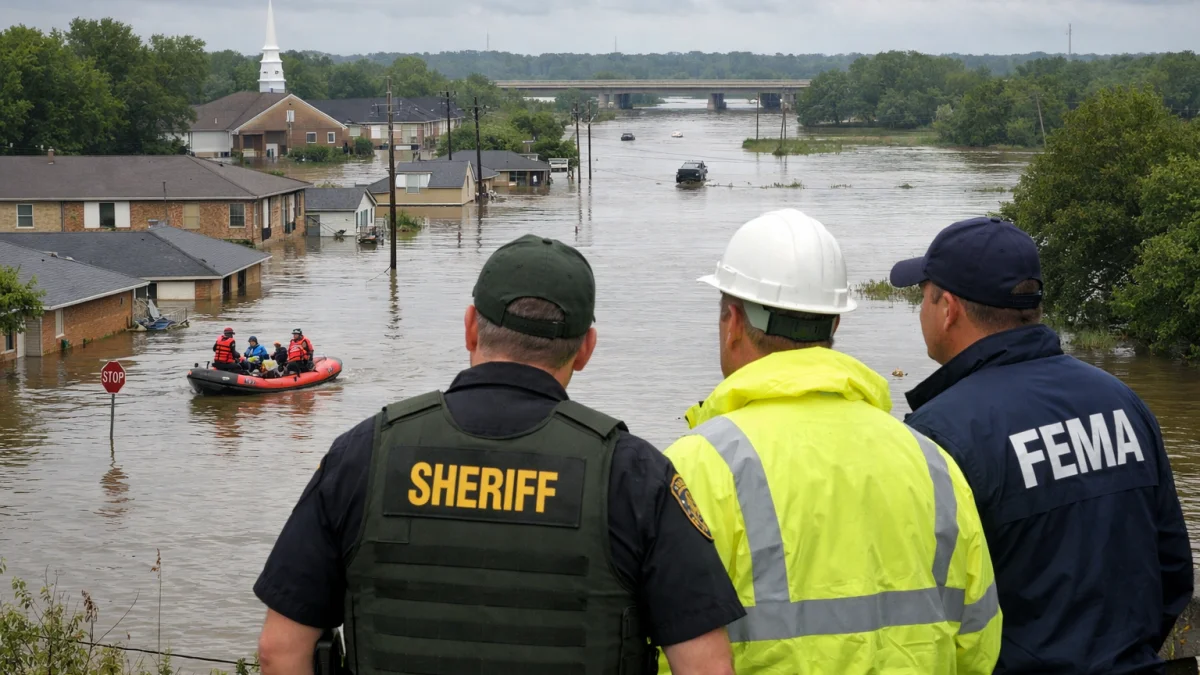
Texas, Louisiana and parts of Mississippi faced significant flash flooding threats in mid-June 2026, with repeated rounds of heavy downpours linked to stalled weather systems. The National Weather Service and private forecasters issued flood watches as storms delivered several inches of rain in short periods.


Researchers have noted that climate change is intensifying precipitation extremes, allowing the atmosphere to hold more moisture and leading to more severe downpours in the region. Studies indicate heavy rainfall events are becoming more common across much of the United States, including the South.
In Texas, areas including San Antonio and other central and eastern parts saw renewed flood concerns, with some locations experiencing multiple days of torrential rain. Similar patterns affected neighboring states, compounding risks from earlier storms.
"Flash-flooding rain events are becoming more intense across much of the United States," a recent analysis from Climate Central stated, attributing the trend partly to warmer atmospheric conditions.
Officials have pointed to a combination of factors, including atmospheric patterns that stall fronts over the region, leading to prolonged rainfall. Coastal areas also face added pressure from sea level rise, which exacerbates tidal and storm-related flooding. Details on total damages from the latest events remain under assessment.
The Southeast has seen a rise in billion-dollar weather disasters, many involving flooding, according to long-term federal data. Vulnerability is higher in low-lying and urban areas with aging infrastructure.
Local emergency management agencies urged residents to monitor forecasts and avoid flood-prone roads. As of June 20, 2026, forecasters continued to track potential additional rainfall in parts of the South, with risks expected to persist into the summer hurricane season. Federal and state authorities have not issued comprehensive new regional risk assessments in direct response to the latest events.