

PARIS — France recorded its hottest day since measurements began in 1947 as an early summer heatwave triggered power outages across parts of the country, officials said.
Météo-France, the national weather service, reported that the country's national thermal indicator — an average of day and night temperatures measured at dozens of stations — reached a record 30 degrees Celsius (86 degrees Fahrenheit) on Wednesday, surpassing the previous day's mark of 29.8C.


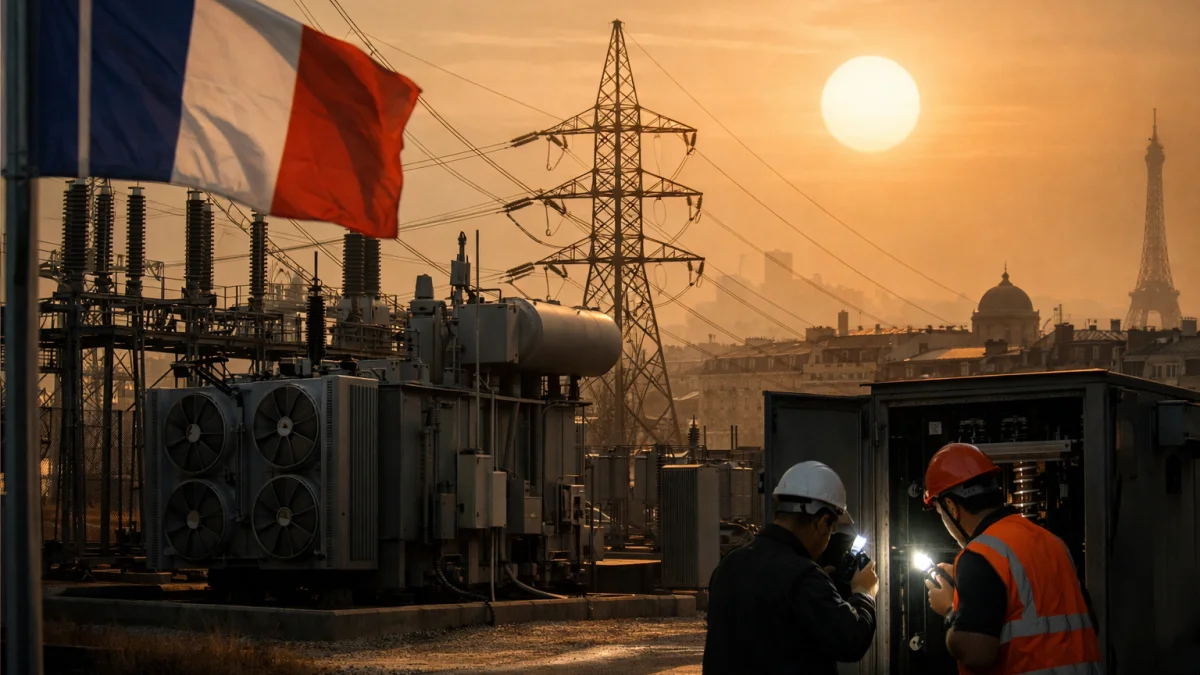
The heatwave has strained infrastructure, with tens of thousands of homes losing power, particularly in western regions such as Brittany. Authorities attributed outages to high demand and equipment issues exacerbated by the extreme temperatures.
Local highs exceeded 40C (104F) in multiple areas. Reports indicated a peak of 44.3C (111.7F) in parts of southwestern France, including near Pissos in Landes, according to weather data cited in multiple outlets.
The heat has affected large parts of western Europe, with red alerts issued for extreme conditions impacting millions. Schools adjusted schedules, museums limited hours, and transportation faced disruptions in France.
Météo-France placed dozens of departments under heightened alerts as the heat persisted. Forecasters indicated conditions could continue into the weekend.
Power operator Enedis and local authorities confirmed outages affecting around 68,000 homes in Finistère on Tuesday evening due to a transformer problem, with additional reports of tens of thousands more impacted in other western areas.
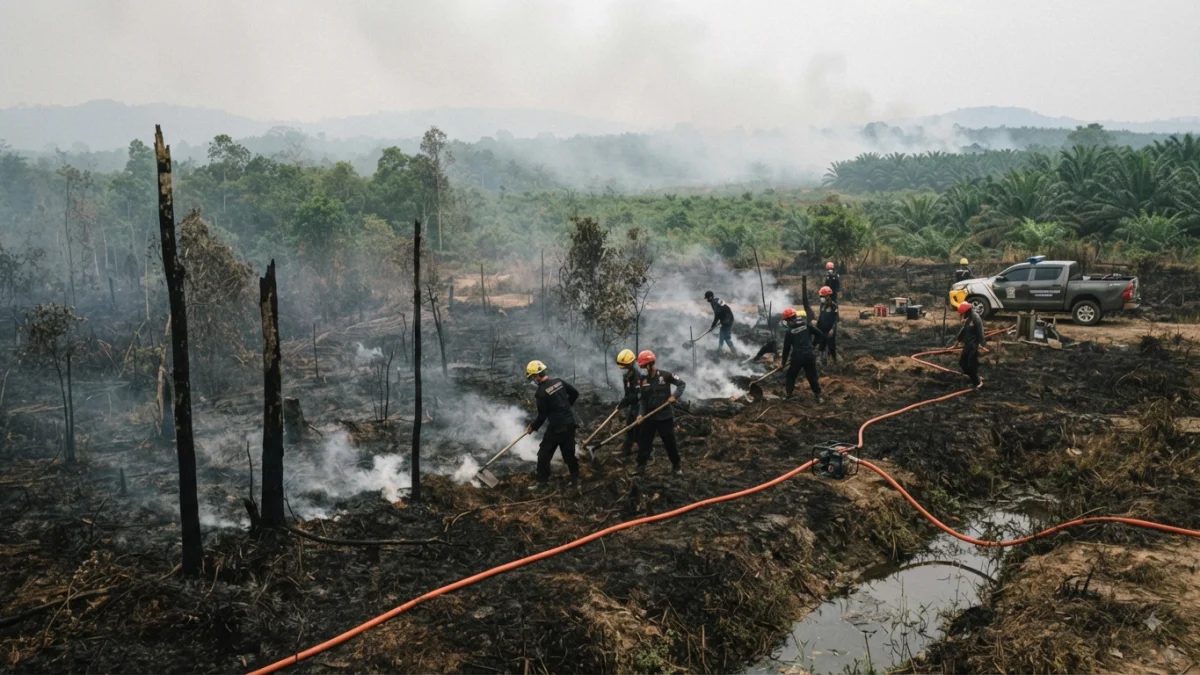
A major wildfire in the Maine-et-Loire region was brought under control, officials said.
The current heatwave follows earlier warm spells in May and June 2026. Météo-France data showed previous national records for the indicator around 29.4C during the 2003 and 2019 heat events.
"Details on the full extent of impacts remain under assessment," a government spokesperson was cited in reports as temperatures stayed elevated.
As of Wednesday, authorities continued monitoring the situation amid ongoing high temperatures and related risks, including drought and fire hazards. No comprehensive nationwide casualty figures tied directly to the latest peak were immediately detailed in official statements.
The heatwave has prompted public health advisories urging caution, particularly for vulnerable populations.