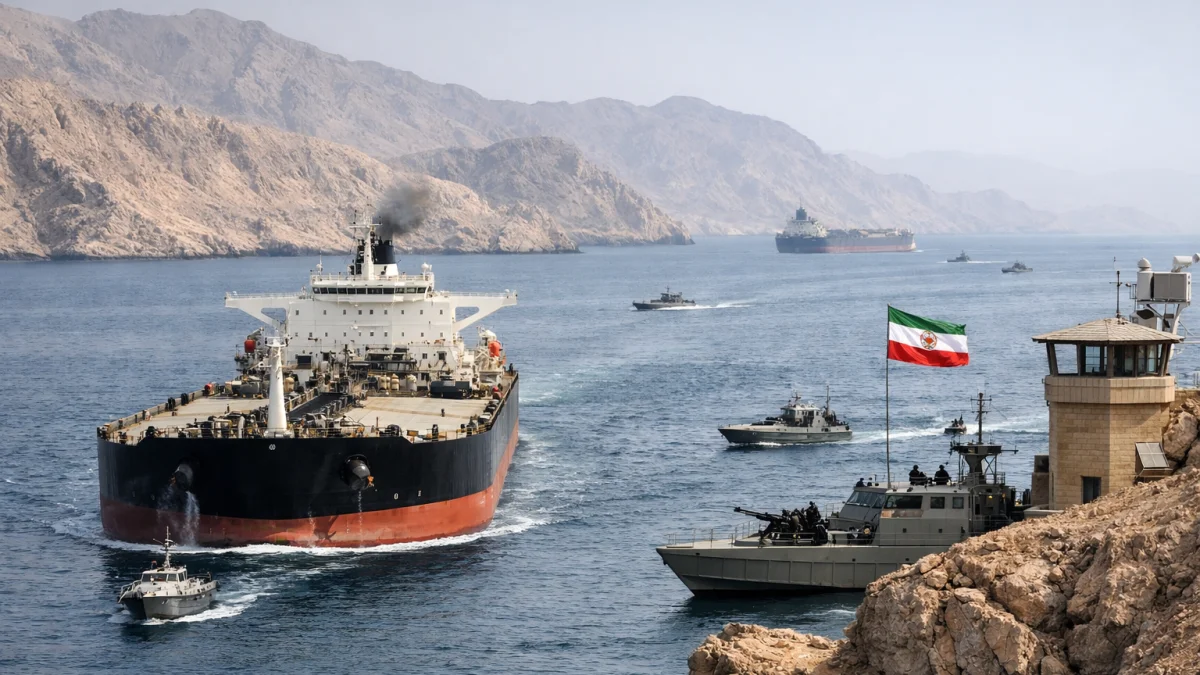


LONDON — Global oil markets reacted sharply this week to developments involving the Strait of Hormuz, with crude prices fluctuating as traders weighed reports of shipping disruptions against signs of potential diplomatic progress that could reopen the strategic waterway, according to market data and government statements.
Oil prices rose earlier in the week after Iranian military authorities announced restrictions on traffic through the Strait of Hormuz following renewed U.S. military action, Reuters reported on June 11. Brent crude and U.S. West Texas Intermediate futures both gained as investors assessed the risk of supply disruptions affecting one of the world’s most important energy transit routes.


The Strait of Hormuz, located between Iran and Oman, carries a significant share of global seaborne oil shipments. Analysts and energy companies have closely monitored the waterway for months amid heightened tensions in the region and intermittent disruptions to tanker traffic.
Market sentiment shifted again over the weekend following reports of progress in negotiations involving the United States and Iran. U.S. President Donald Trump said a broader agreement could lead to the reopening of the strait, while Iranian officials indicated discussions were continuing but cautioned that the timing of any agreement remained uncertain.
“The proposed agreement focuses first on reopening the Strait of Hormuz,” Reuters reported, citing officials involved in the negotiations. Iranian authorities, however, said details and timelines remained under discussion.
Banks and energy analysts have warned that prolonged disruptions could continue to affect prices. UBS said in an April research note that oil markets faced “elevated uncertainty” depending on how quickly normal flows through the strait resumed and whether additional energy infrastructure was affected.
Industry executives have also cited declining global oil inventories amid uncertainty over shipping routes. Reuters reported earlier this month that stockpiles had fallen as markets adjusted to reduced traffic through the Gulf region and ongoing geopolitical tensions.
At the same time, some analysts noted that alternative export routes, strategic petroleum reserves and weaker demand growth in certain markets have helped prevent more severe price spikes. Recent reports indicated that oil prices remained below levels previously forecast by some market participants despite supply concerns.
As of Sunday, commercial shipping conditions in and around the Strait of Hormuz remained a focus for traders, governments and energy companies. Negotiations between Washington and Tehran were continuing, according to officials from both sides, while market participants awaited further clarity on the status of maritime traffic through the waterway and its implications for global energy supplies.