

HOUSTON — Gulf Coast states were preparing on Wednesday for heavy rainfall, flooding and transportation disruptions as Tropical Storm Arthur moved near the Texas and Louisiana coasts, prompting warnings from federal and state authorities across the region.
The U.S. National Hurricane Center (NHC) said Arthur, the first named storm of the 2026 Atlantic hurricane season, formed near the Texas coast and was expected to bring life-threatening flooding to parts of Texas, Louisiana and other areas of the southeastern United States through the end of the week. A tropical storm warning remained in effect for portions of the Texas and Louisiana coastline.


As of Wednesday morning, Arthur was located about 40 miles (65 km) east-northeast of Port O’Connor, Texas, with maximum sustained winds of about 40 mph (65 kph), according to the National Hurricane Center. Forecasters said the storm was moving northeast and was expected to make landfall near the Texas-Louisiana border before weakening inland.
The primary threat was not wind but excessive rainfall. The National Hurricane Center warned that parts of the Gulf Coast could receive between 5 and 10 inches of rain, with isolated areas seeing up to 20 inches. Officials said flash flooding could affect communities from Texas and Louisiana eastward into Mississippi, Alabama, Georgia and the Florida Panhandle.
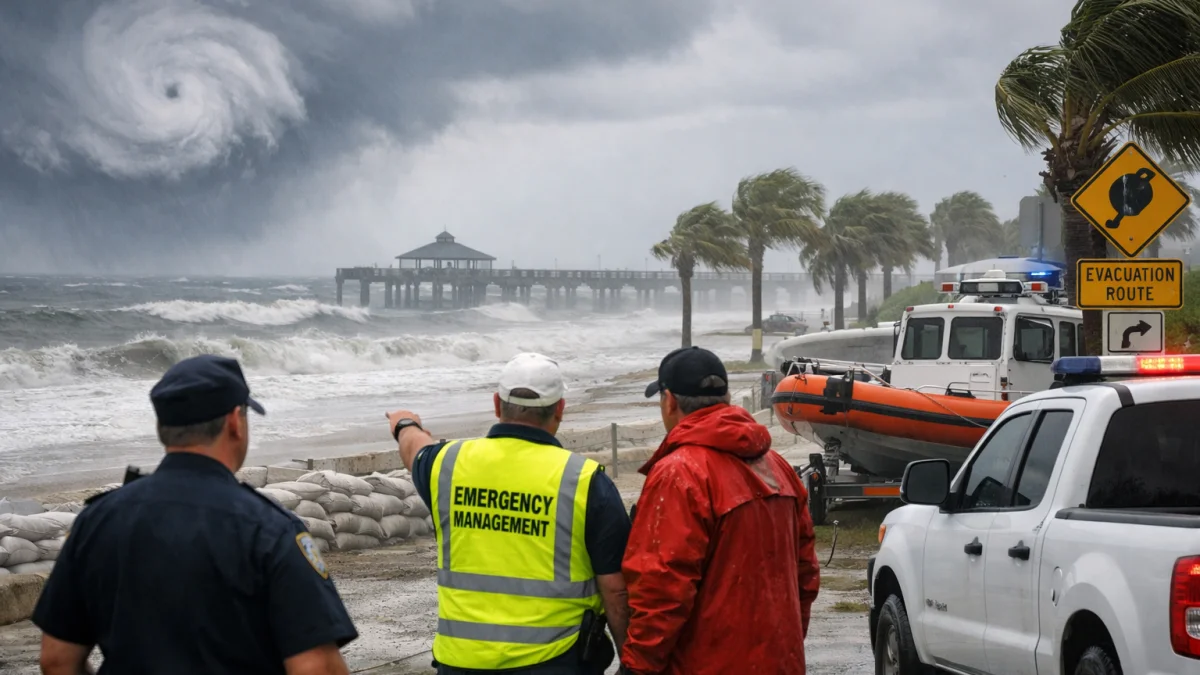
Texas Governor Greg Abbott earlier issued disaster declarations covering more than 100 counties to allow emergency resources to be deployed ahead of the storm, according to state officials. Local governments distributed sandbags, cleared drainage systems and urged residents in flood-prone areas to monitor official forecasts and emergency instructions.
Energy companies were also monitoring Arthur's progress. Reuters reported that the storm's projected path includes areas containing offshore oil production facilities, refineries and liquefied natural gas infrastructure along the Gulf Coast. While most operators had not announced major shutdowns, companies said precautionary measures were underway.
“The major concern is heavy rainfall and localized flooding,” forecasters said in guidance issued Wednesday, emphasizing that water-related hazards posed a greater risk than strong winds.
Authorities also warned residents to avoid flooded roads and waterways. In Texas, a 15-year-old boy drowned in a flooded retention pond during severe weather conditions on Tuesday, according to local law enforcement officials. Investigators said the death remained under review.
The storm developed from a system that had been tracked for several days in the western Gulf of Mexico. Meteorologists said Arthur was expected to remain relatively weak as a wind event but could still cause significant disruption because of its slow movement and widespread rainfall.
As of Wednesday evening, emergency management agencies across Texas, Louisiana and neighboring states remained on alert while monitoring forecasts and preparing for potential flooding impacts as Arthur moved inland.