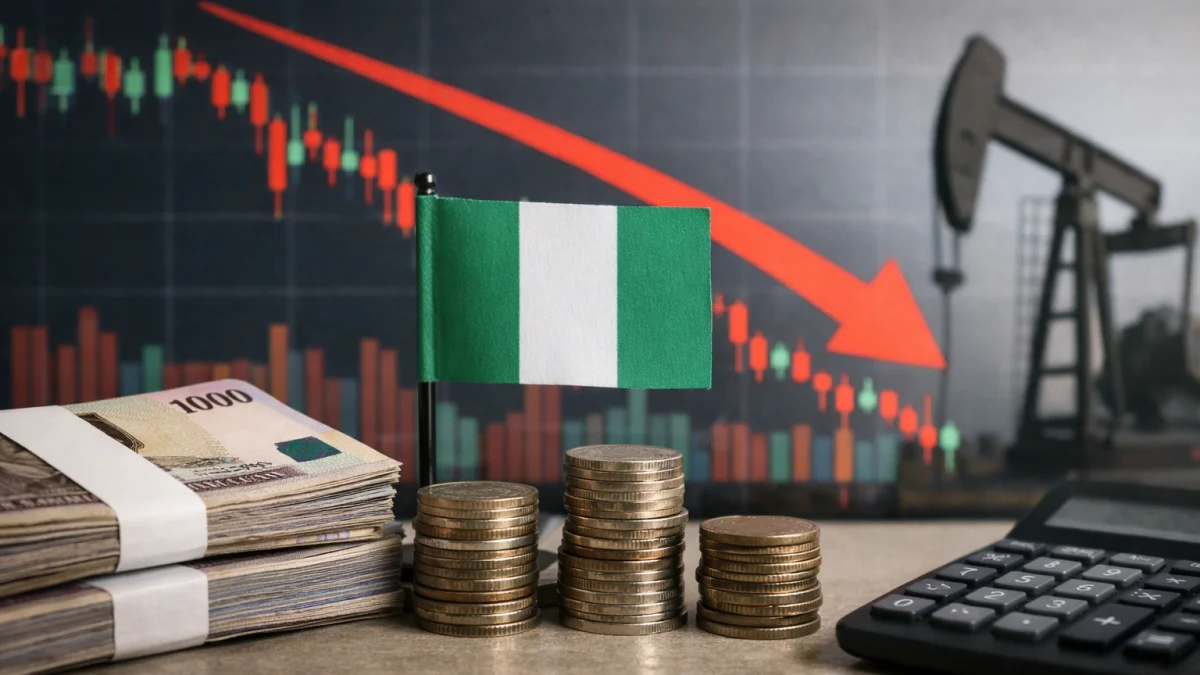


LAGOS — The International Monetary Fund has warned Nigeria of risks associated with a proposed $5 billion total return swap deal with First Abu Dhabi Bank, citing concerns over opacity and complexity in such financing structures.
The caution came on Tuesday as the IMF concluded its 2026 Article IV consultation with Nigeria. Christian Ebeke, the IMF's resident representative in Nigeria, highlighted the potential drawbacks of the derivatives agreement during a briefing with reporters.


"Our view is that the transaction in these types of structures carry risks. Usually they are opaque so the terms are not always very transparent when we reviewed these instruments across countries," Ebeke said.
Nigeria intends to use proceeds from the total return swap, or TRS, to refinance expensive debt and fund infrastructure projects. The arrangement, which involves a derivatives agreement, was approved by the Senate earlier and aims to provide the country with up to $5 billion in financing.
The IMF's warning comes amid Nigeria's ongoing economic pressures, including efforts to manage inflation, stabilize the naira and address fiscal challenges following reforms such as the removal of fuel subsidies and foreign exchange liberalization. The Fund has acknowledged progress in macroeconomic stability from these measures but noted that millions of Nigerians remain in poverty.
Ebeke suggested alternative financing options, including issuing eurobonds or seeking funding on more concessional terms. Details of the specific terms of the swap deal with the UAE-based bank remain unclear, as is the exact timeline for its implementation.
The Nigerian government has not publicly detailed a full response to the IMF's comments. Officials have previously defended innovative financing tools as necessary to support development priorities while navigating tight international capital markets.
Nigeria's public debt has been a focus of concern, with the country facing high debt servicing costs. The IMF has urged stronger public financial management, improved transparency and accountability in fiscal reporting to mitigate risks from off-budget spending and complex instruments.
The Article IV consultation also addressed broader economic issues, including the impact of global factors such as higher fuel and food prices. The IMF projected Nigeria's economy would grow by about 4.1% in 2026, though it revised forecasts in light of external risks.
As of Wednesday, no further updates on the swap deal's status were available. Nigerian authorities and First Abu Dhabi Bank have not commented publicly on the IMF's assessment.
The development underscores ongoing debates over debt management strategies in emerging markets, where governments balance the need for rapid funding against calls for greater transparency in borrowing practices.